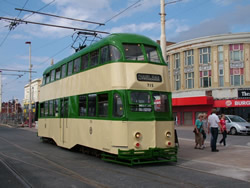
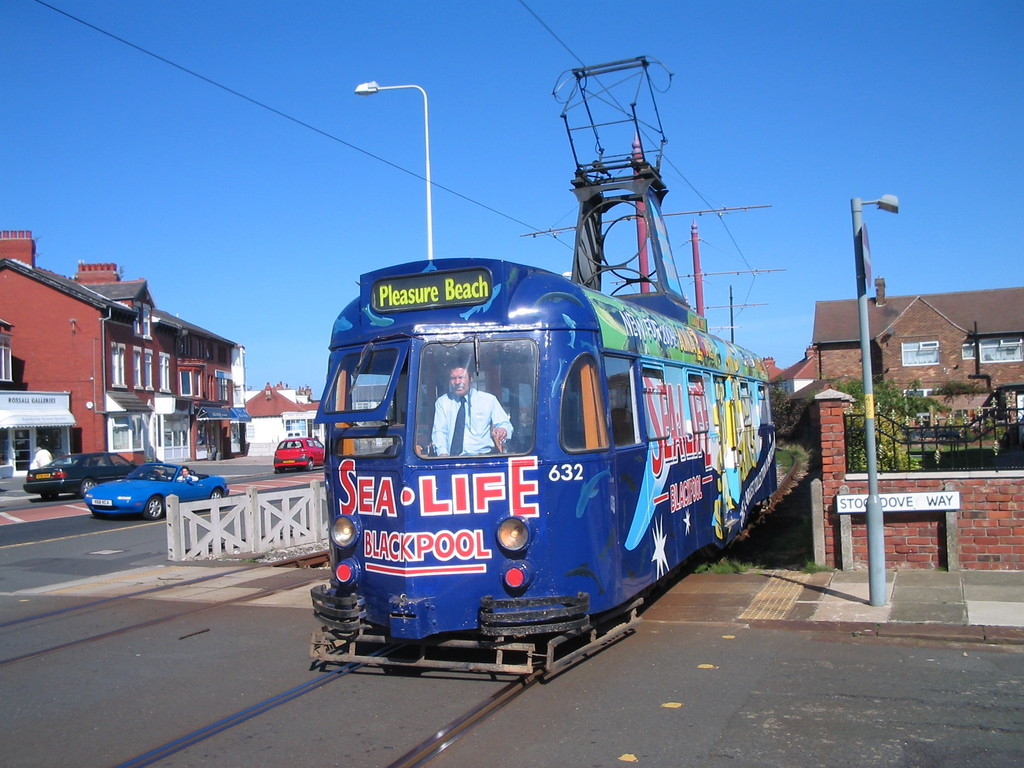
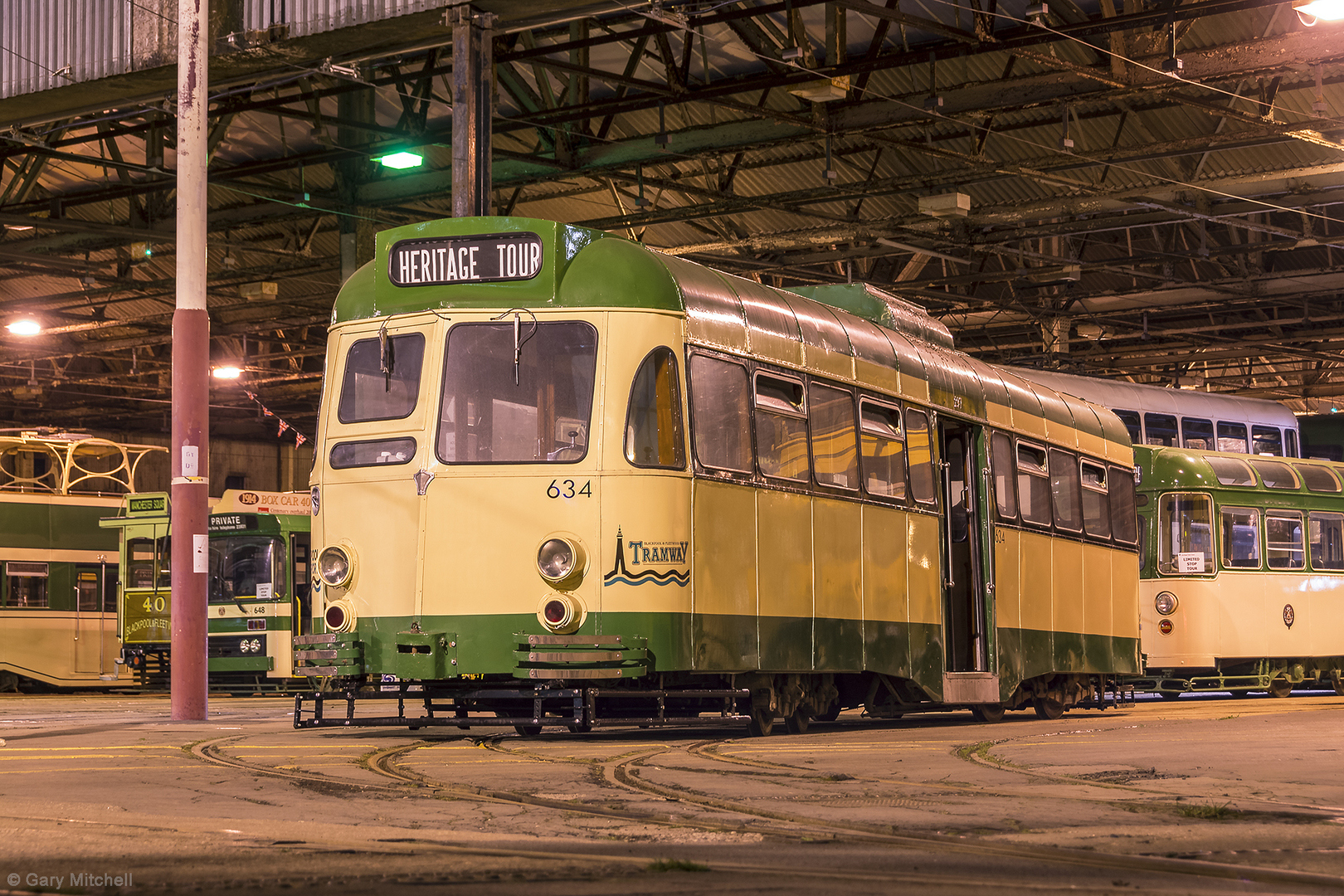
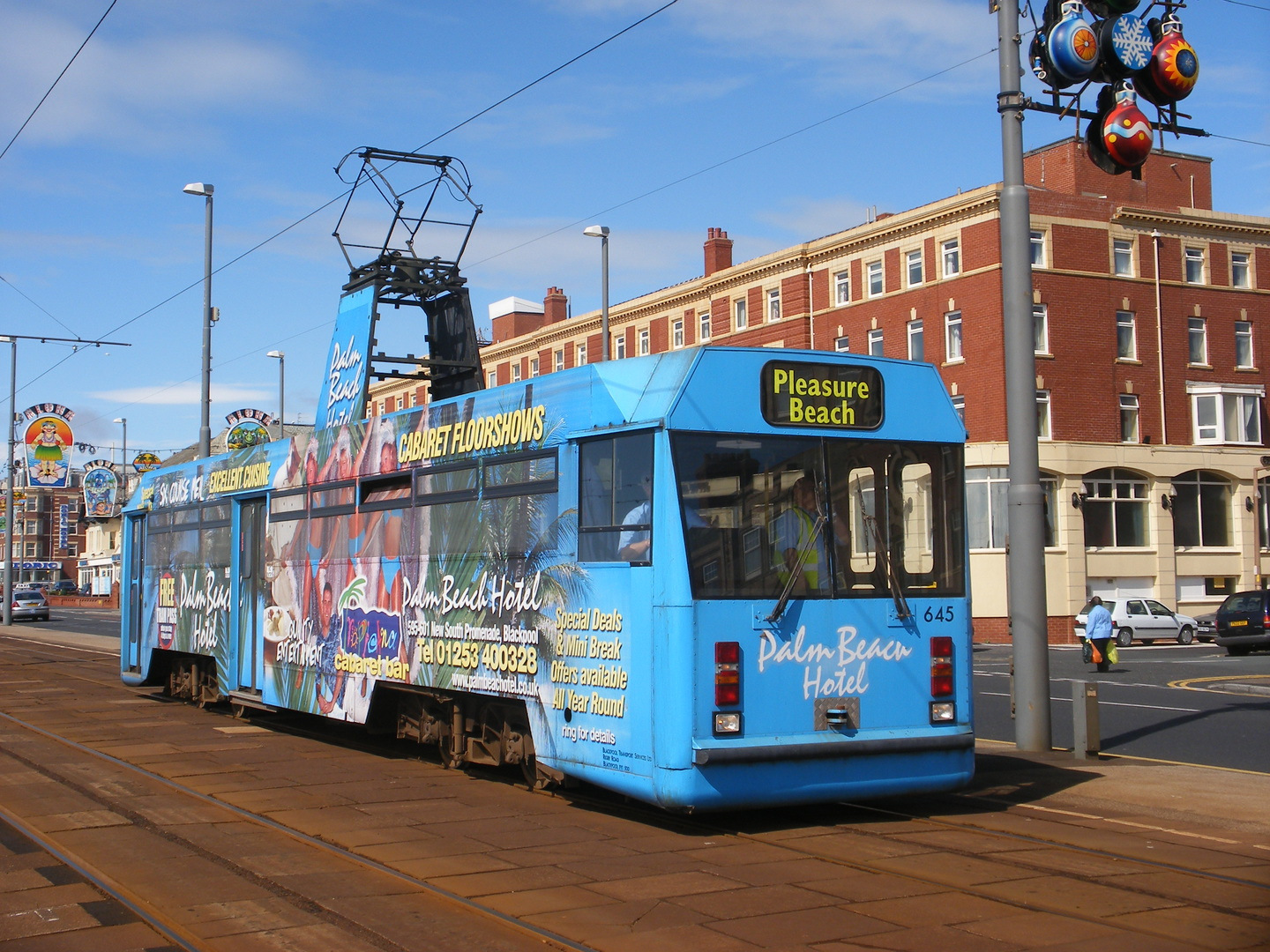
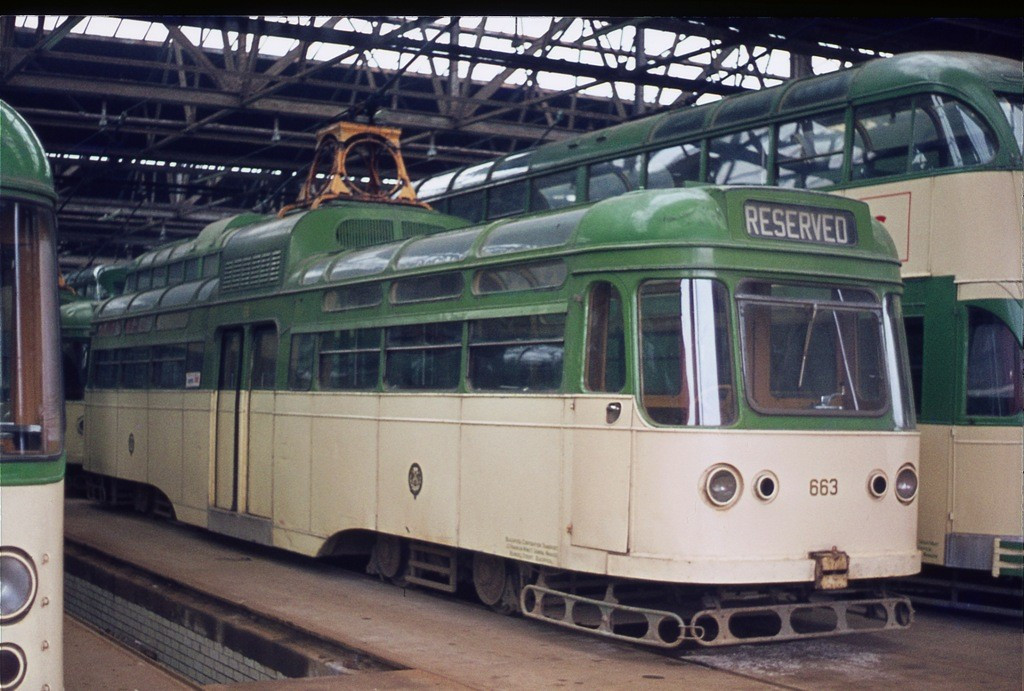
We have a number of Blackpool trams as part of our preserved collection, spanning the history of the resort’s famous seaside tramway and you can see their details and photos below.
Our tram collection is housed at Rigby Road depot courtesy of Blackpool Transport Services. As each tram is restored it is placed on loan to BTS so that they can use it as part of their Heritage Trams Tours. Details of the tours and more about the tramway can be found at blackpoolheritage.com
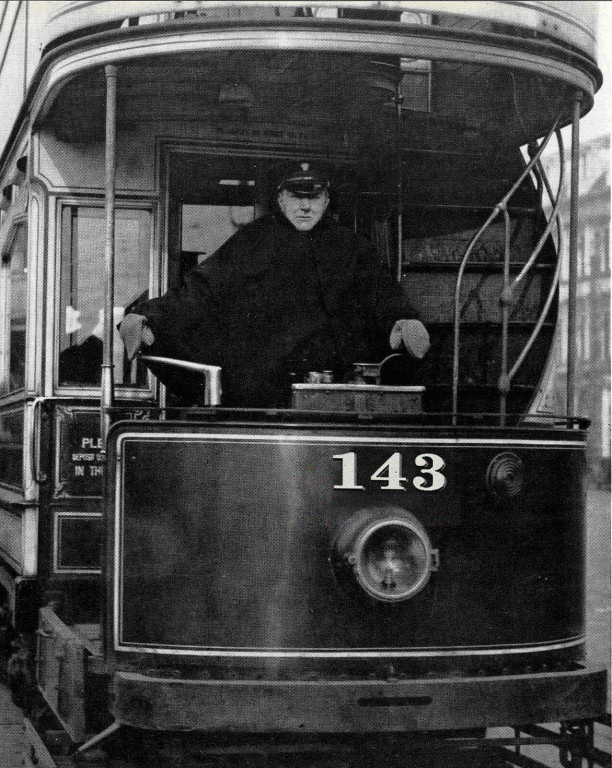
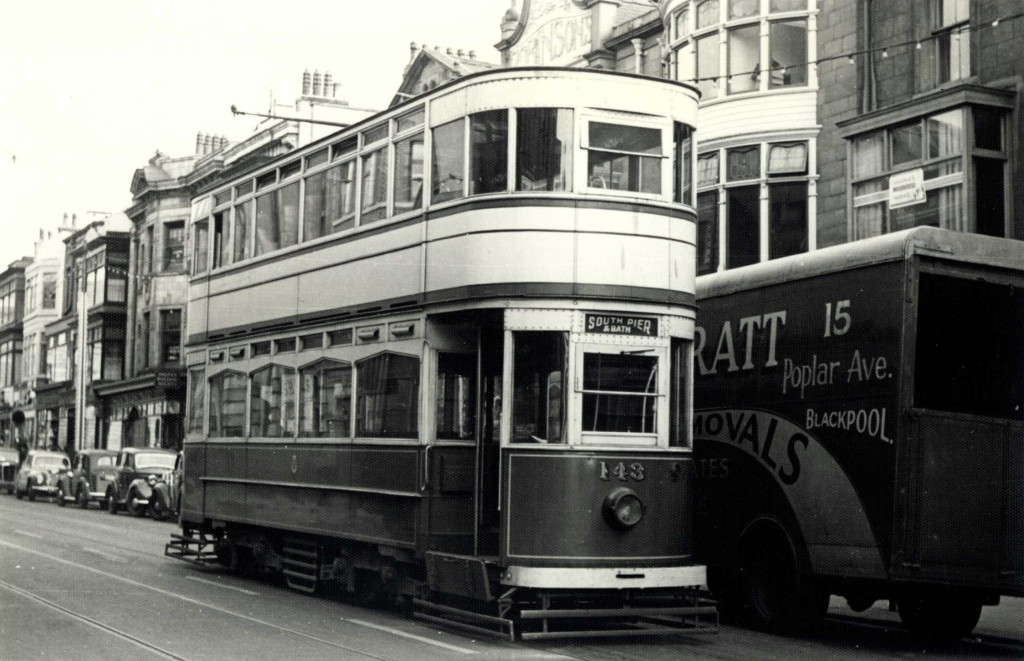
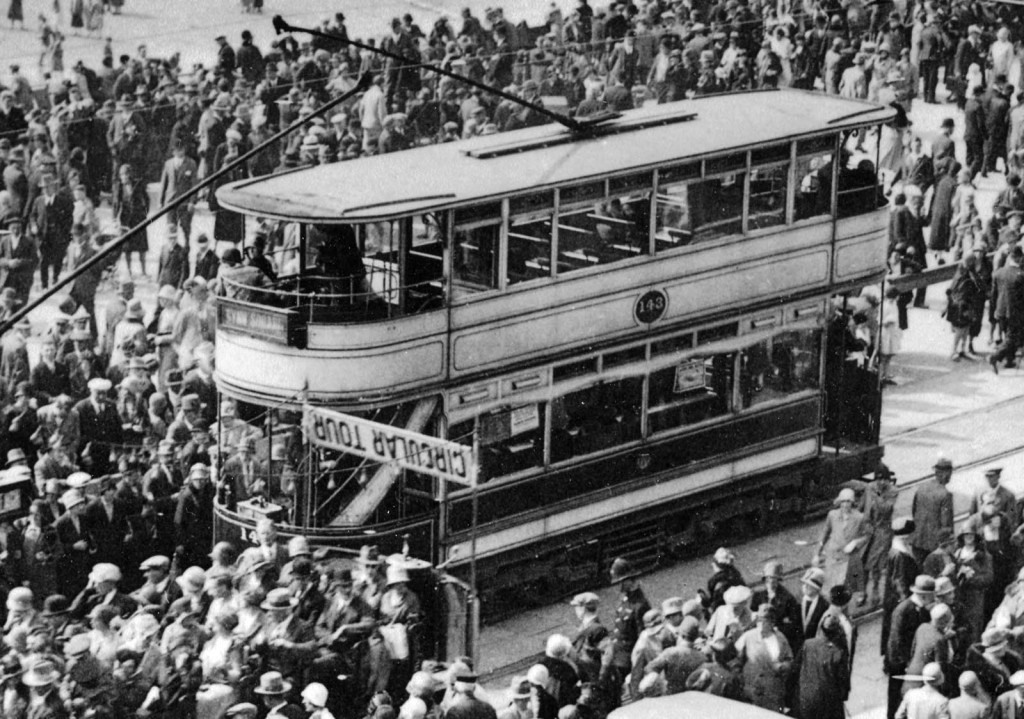
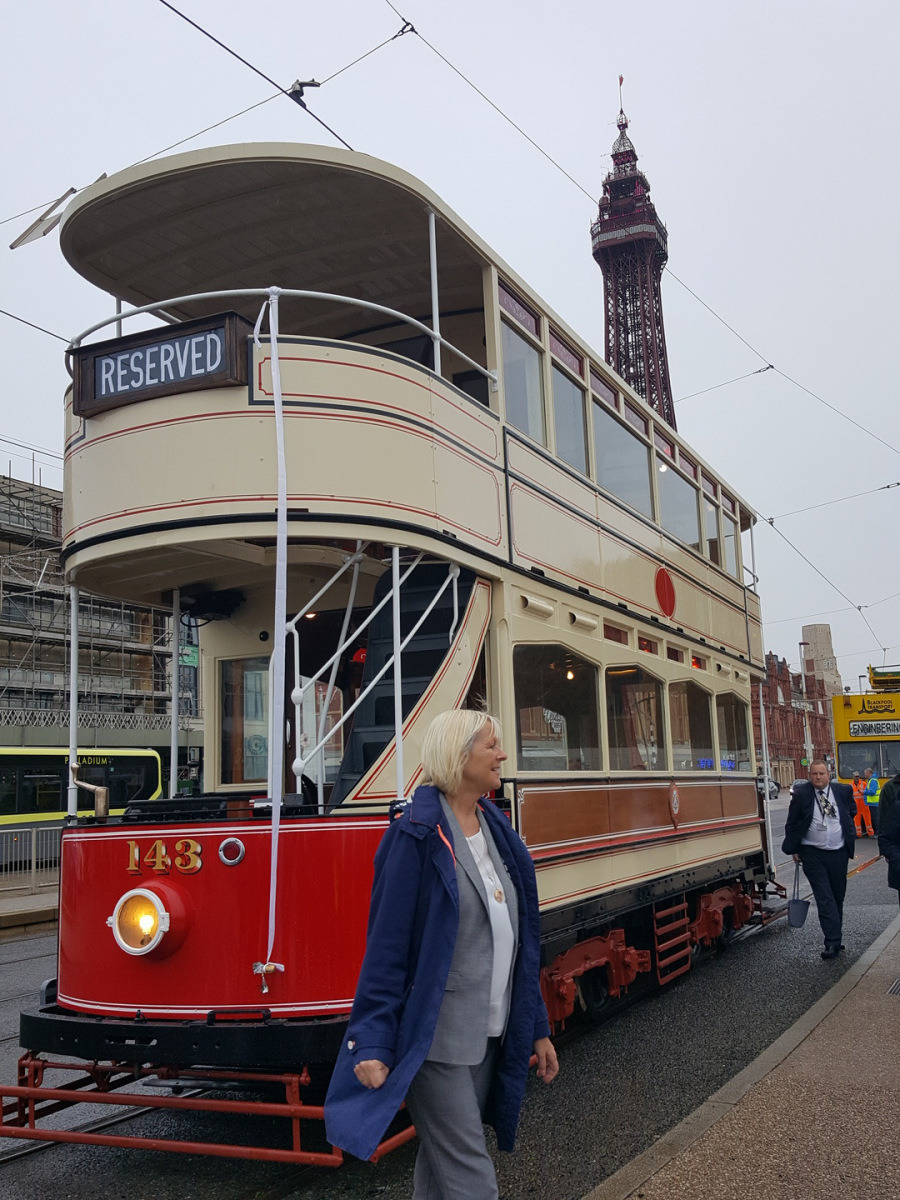
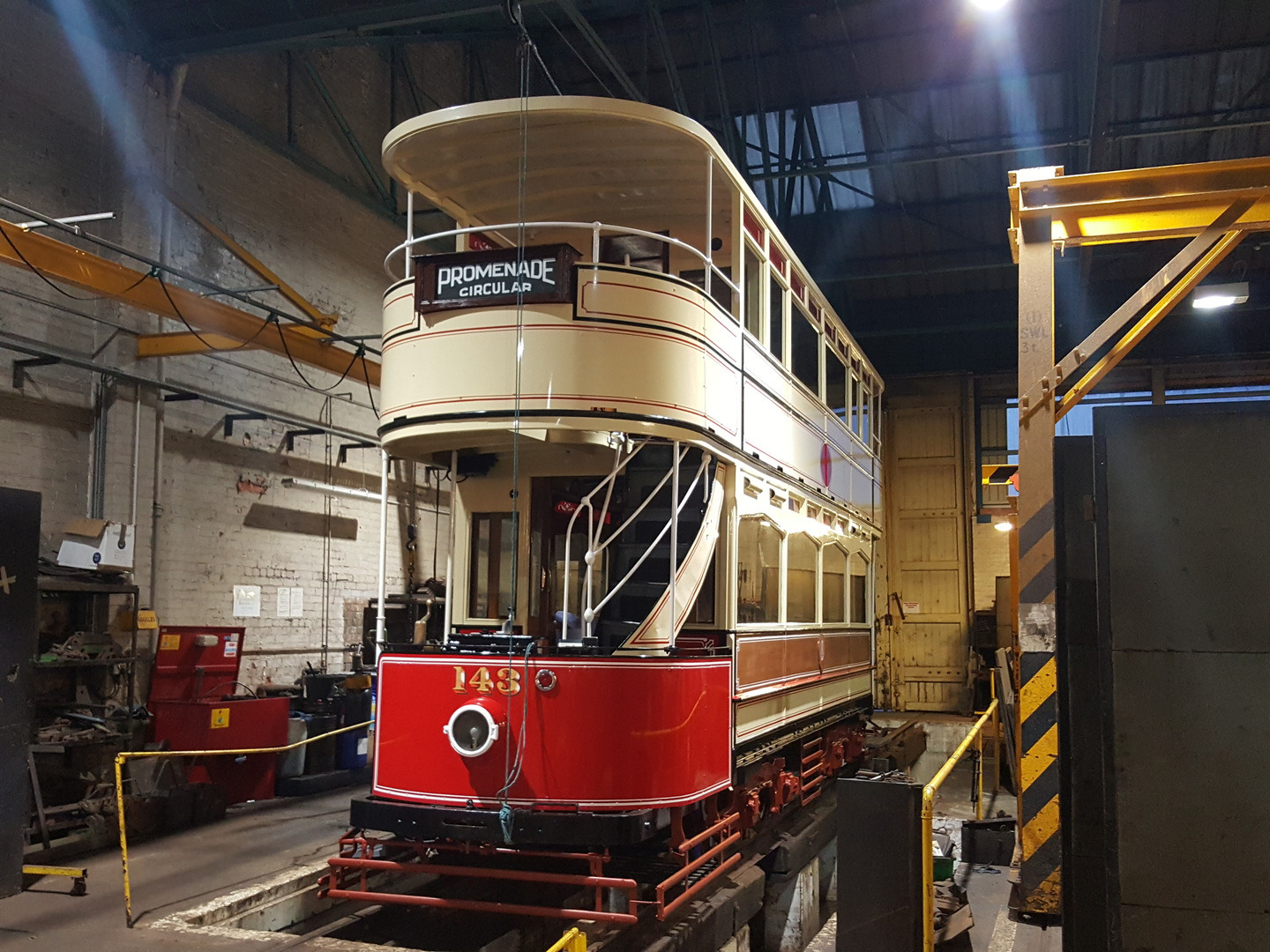
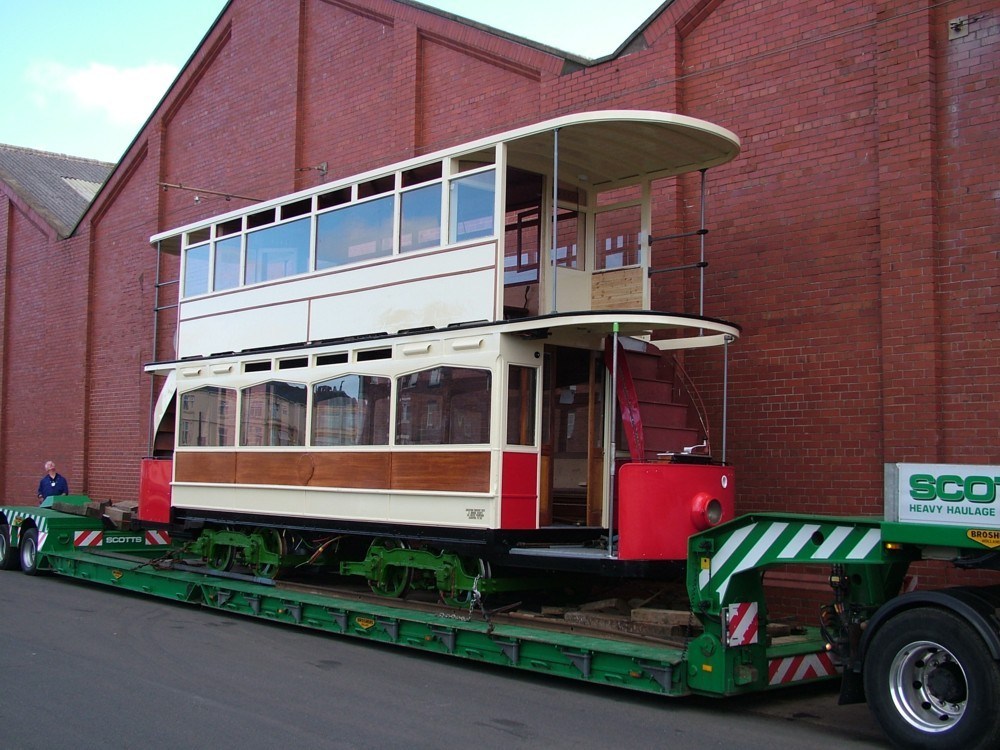
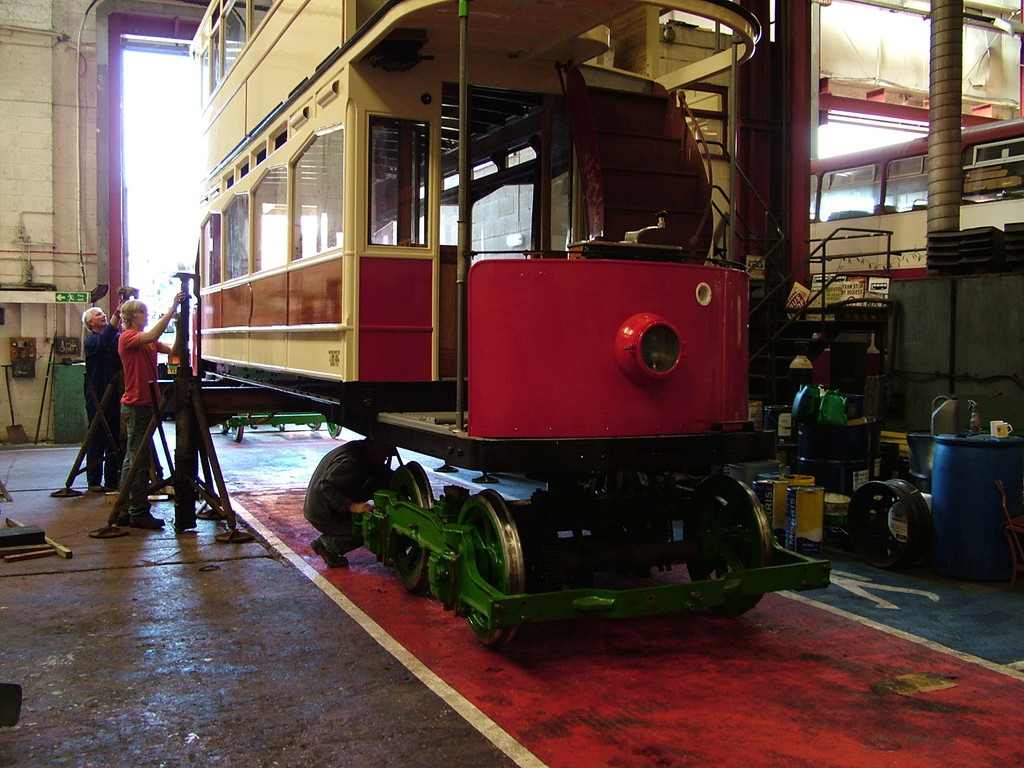
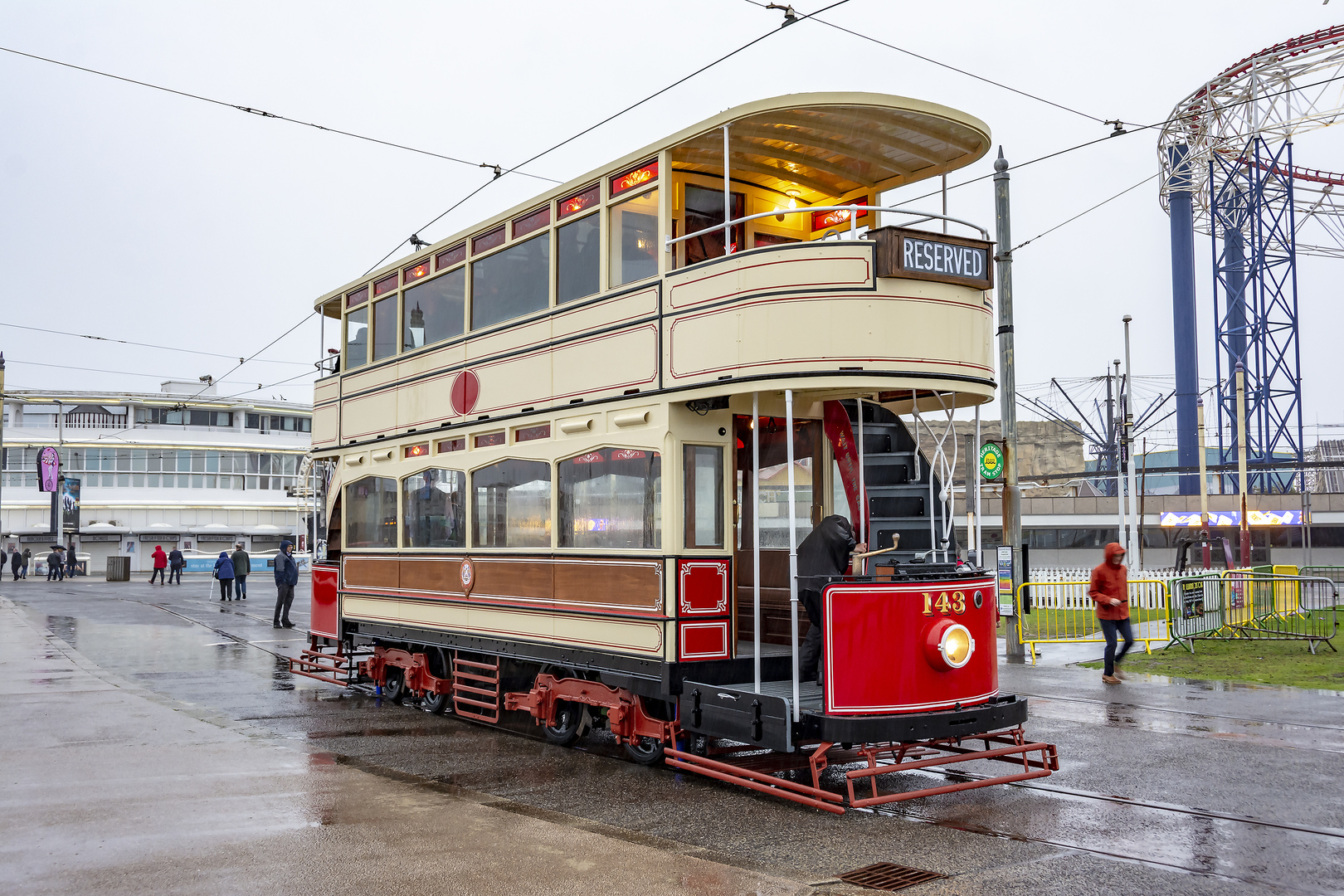
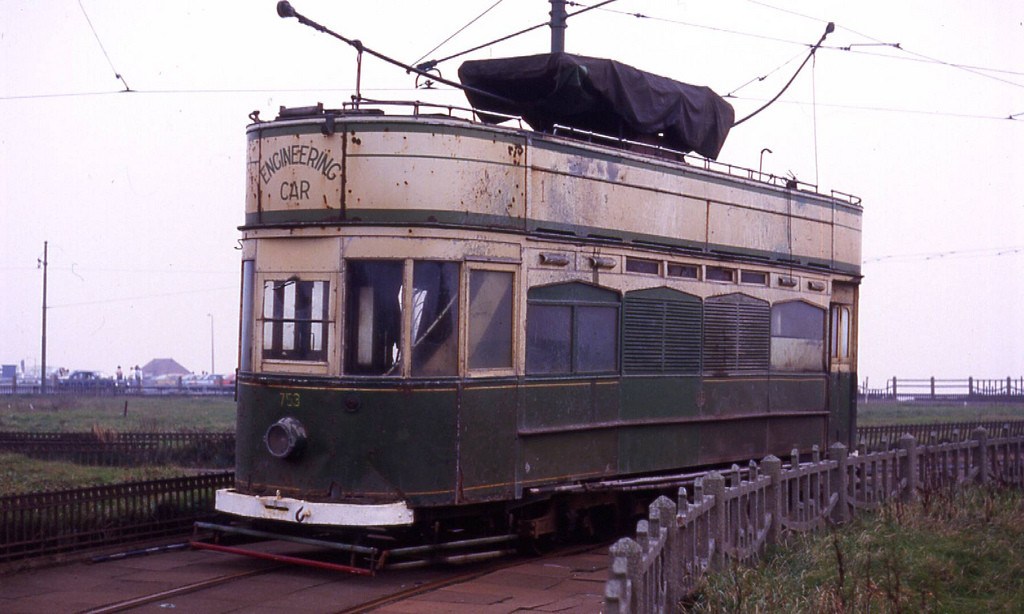
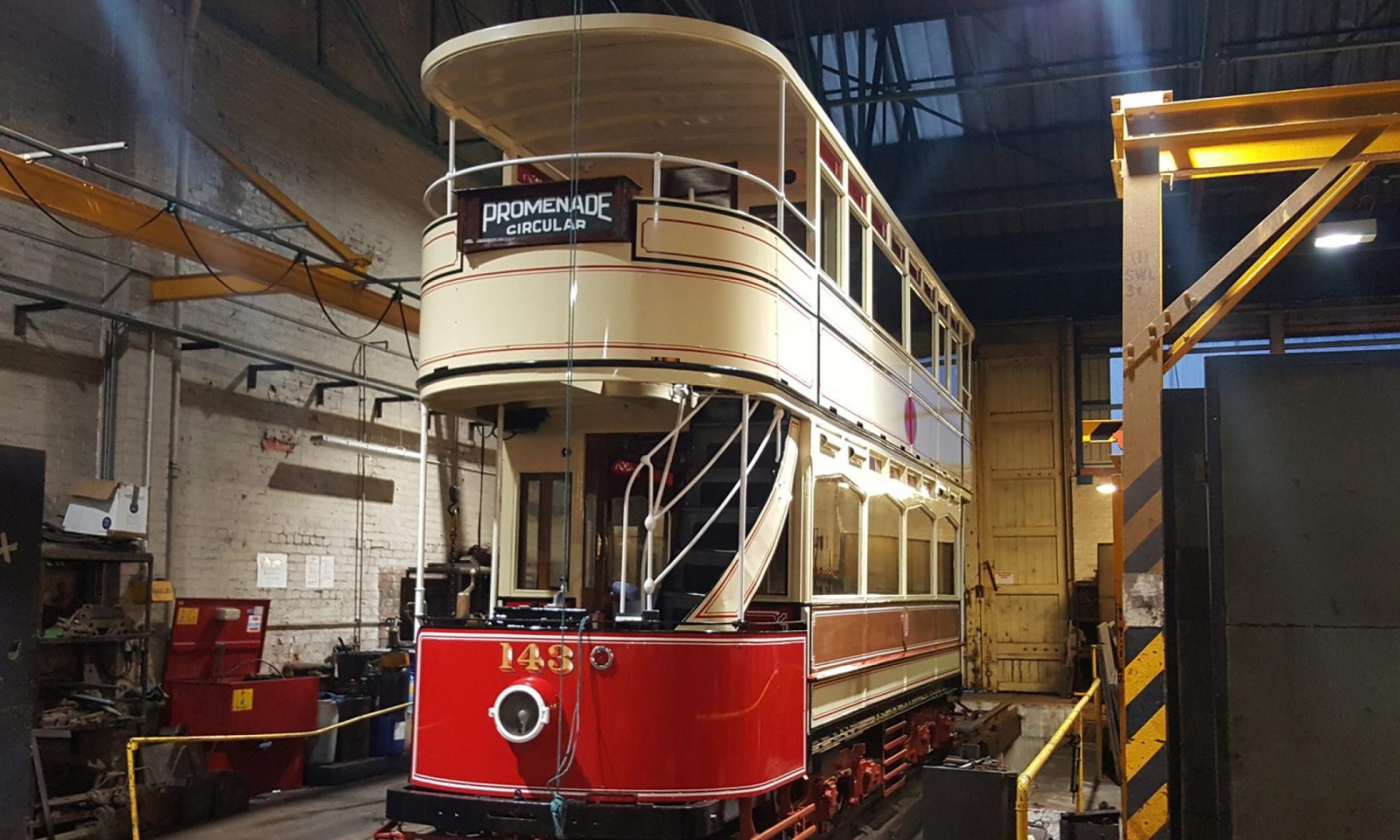
Standard 143
Blackpool Corporation built a fleet of 42 ‘Standard’ cars during the 1920s in response to both growing patronage on the tram routes and a need to rationalise the assortment of tram types, many originating from the early 1900s.
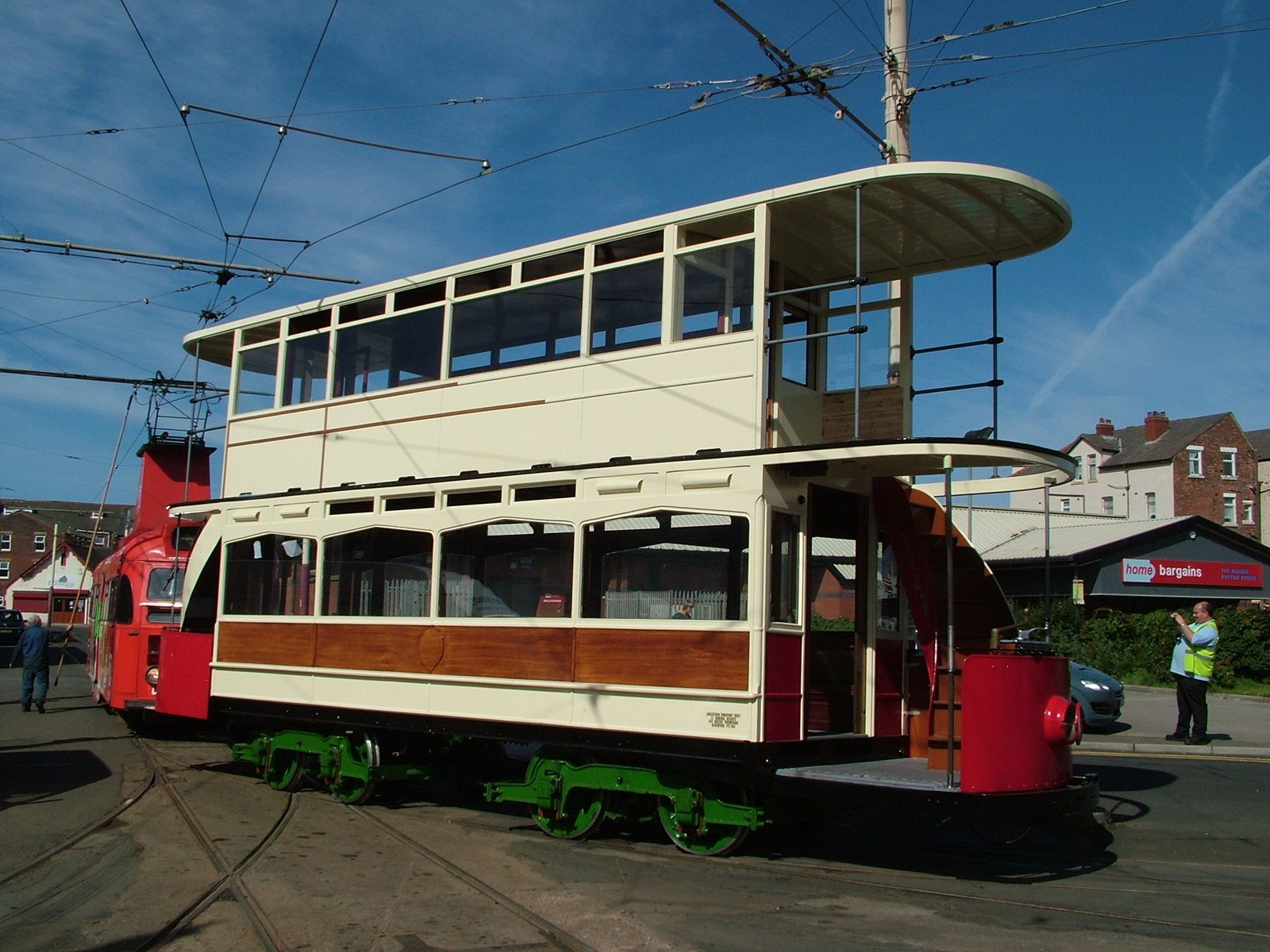
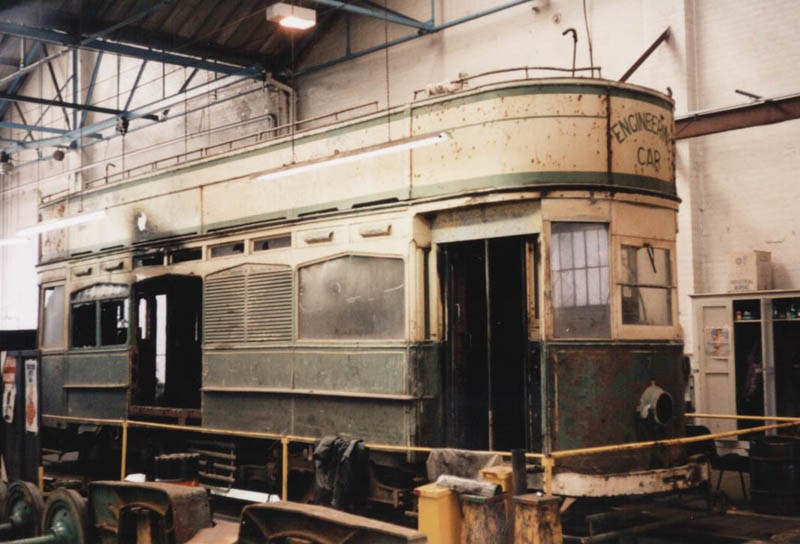
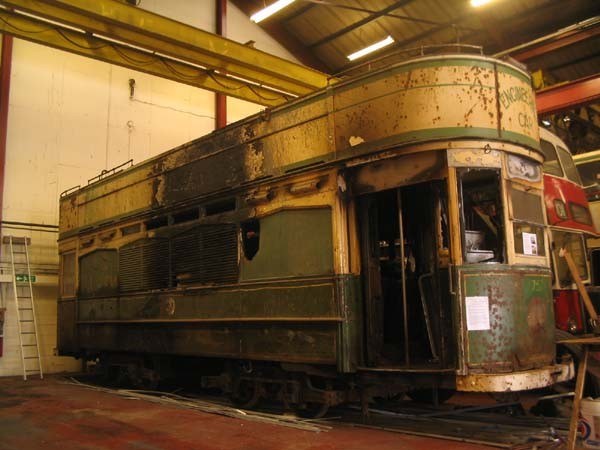
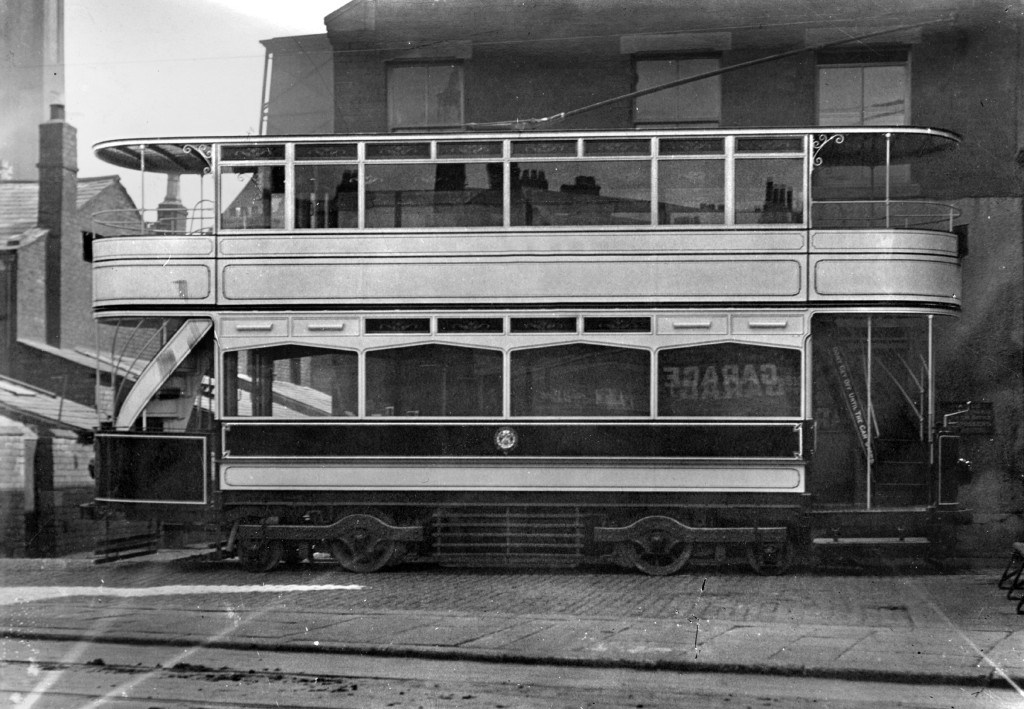
No.143 was built by the Corporation in 1924 as an unvestibuled, open balcony ‘Standard’. Later, in December 1929 the tram received enclosed drivers vestibules and upper deck. The red and cream livery was replaced by green in June 1934.
Withdrawal of the Standards began in the 1940s and the numbers thinned out during the 1950s as the Coronation class arrived. However, a handful survived in service as late as 1966 and a number of them survive in preservation.
This car has a rather unique history. Withdrawn from passenger duties in October 1957, it was fitted with a bus engine and generator set to allow it to operate separate from the overhead. An inspection tower was fitted on the upper deck and the tram transferred to Engineering car duties. Later renumbered 753 in the works car fleet, it survived on such duties until June 1990 when the engine caught fire and gutted the lower deck saloon. Retained by Blackpool Transport for possible restoration as a Standard car, a project to acquire sister car No.147 from an American museum led to 753 being cannibalised and withdrawn surplus to requirements.
Unwilling to see such an historic tram broken up, the car was donated to the LTT in February 2002 and was transferred to our Clifton Road depot on 13 April 2003 to await future restoration.
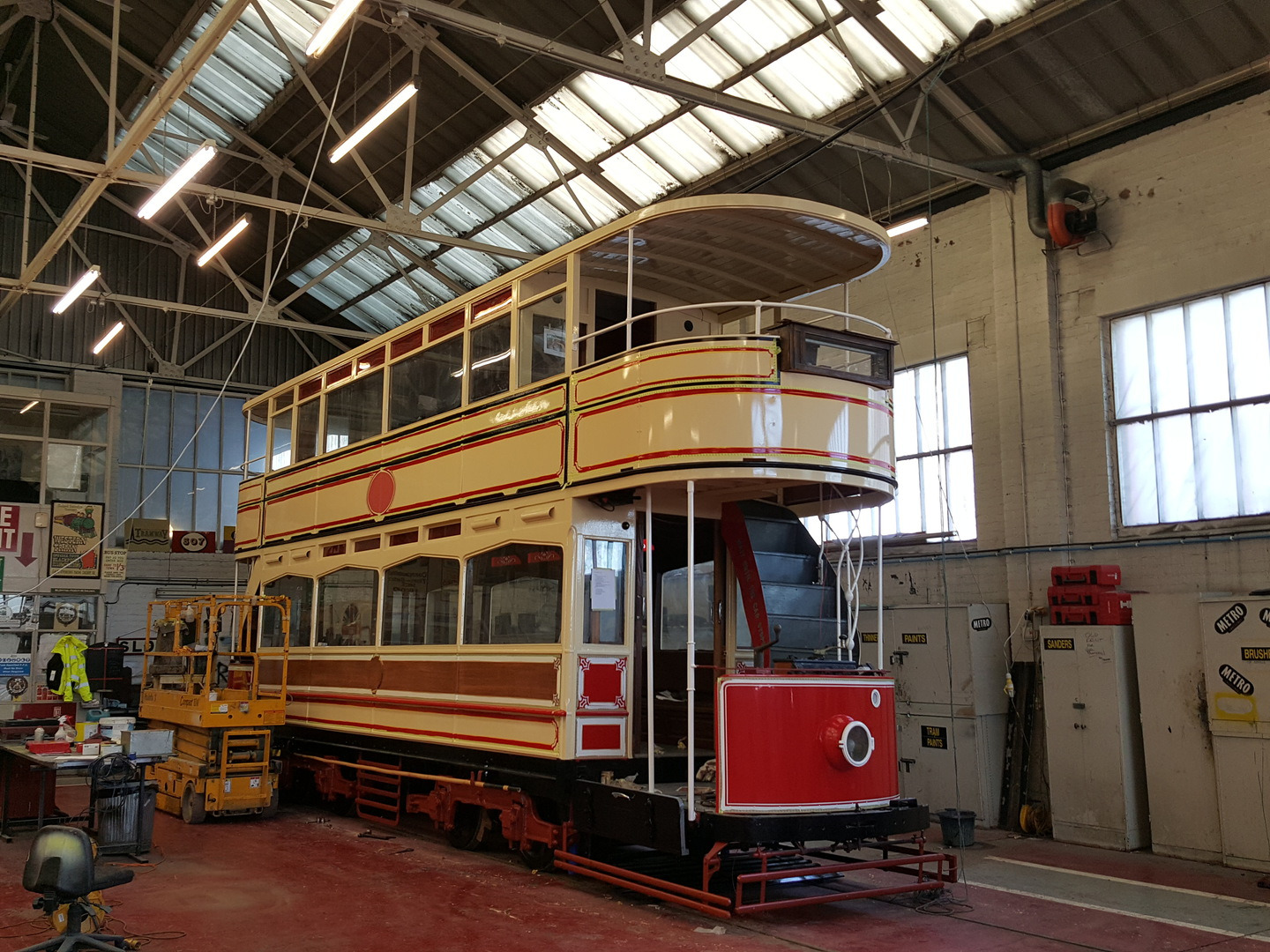
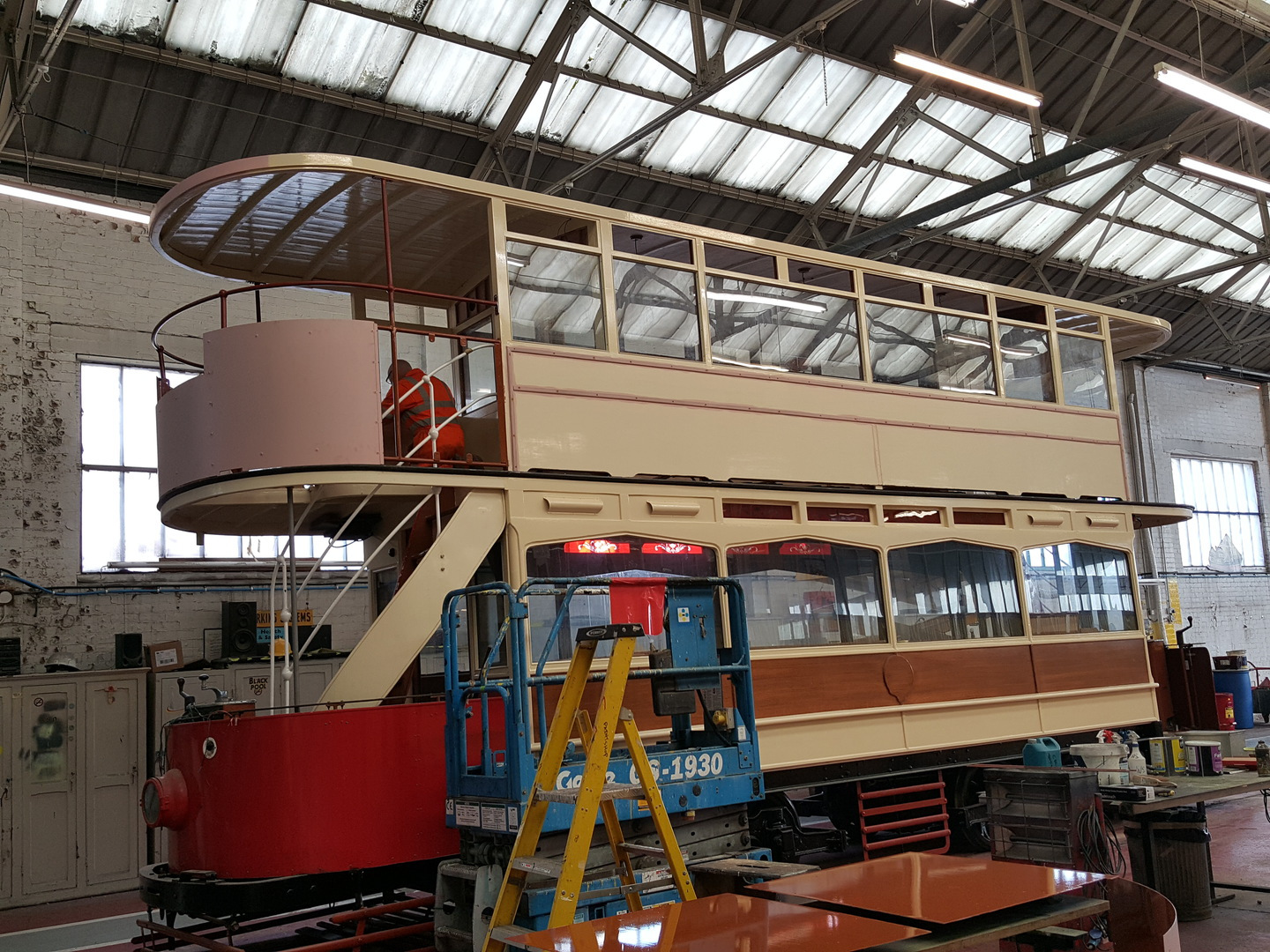
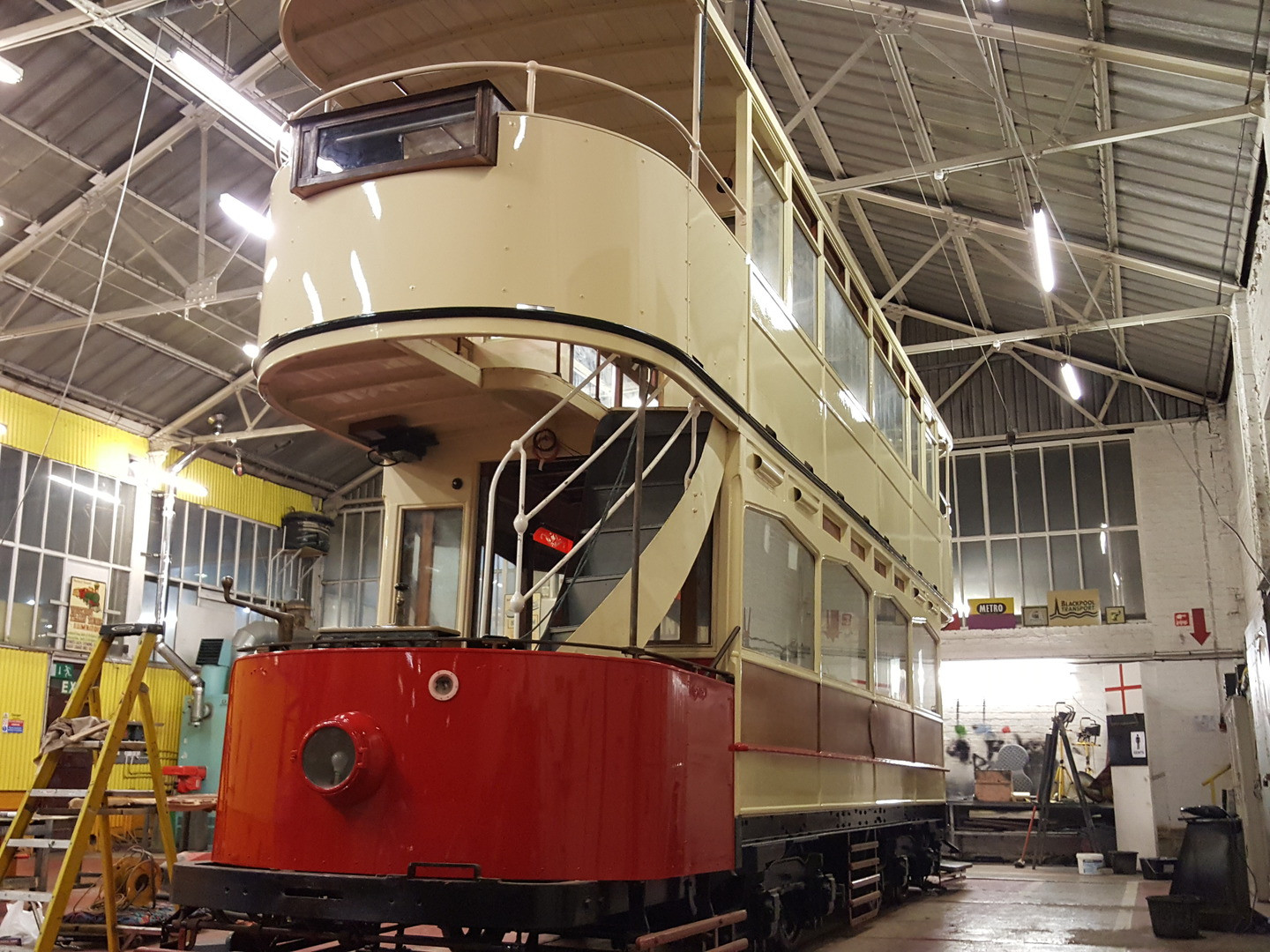
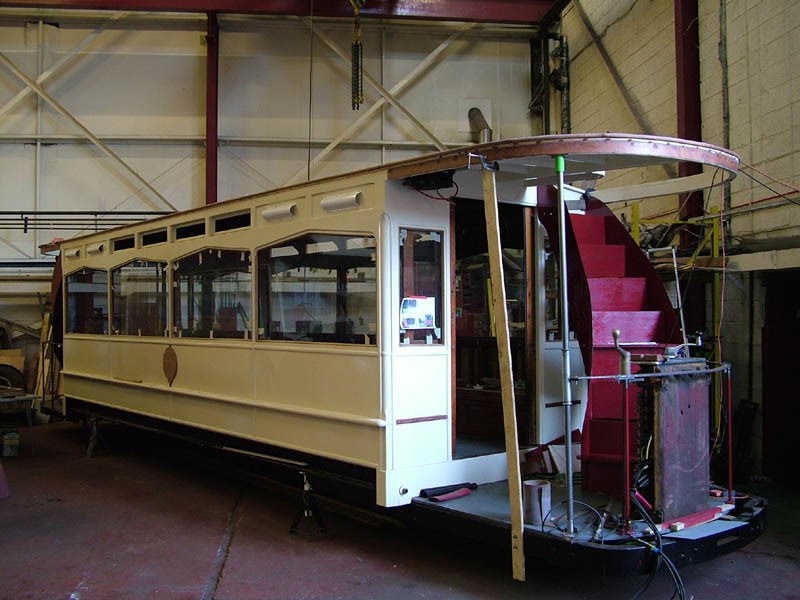
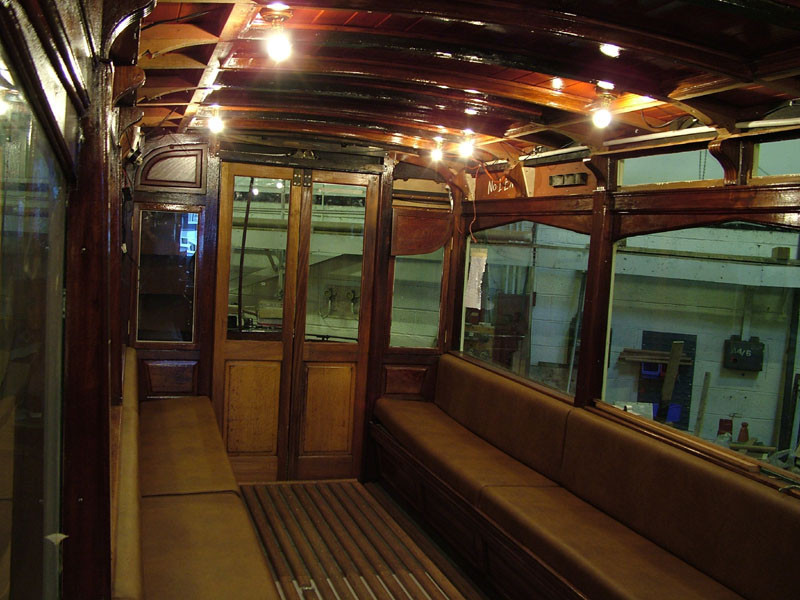
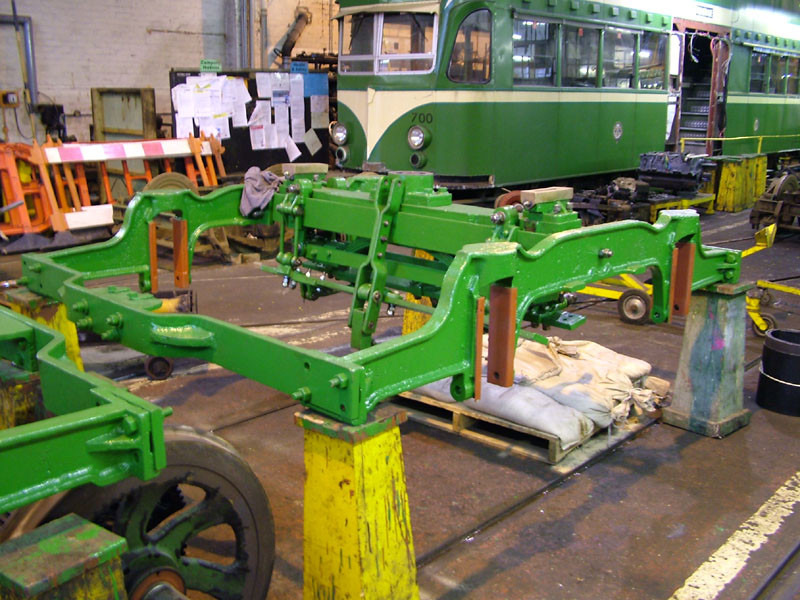
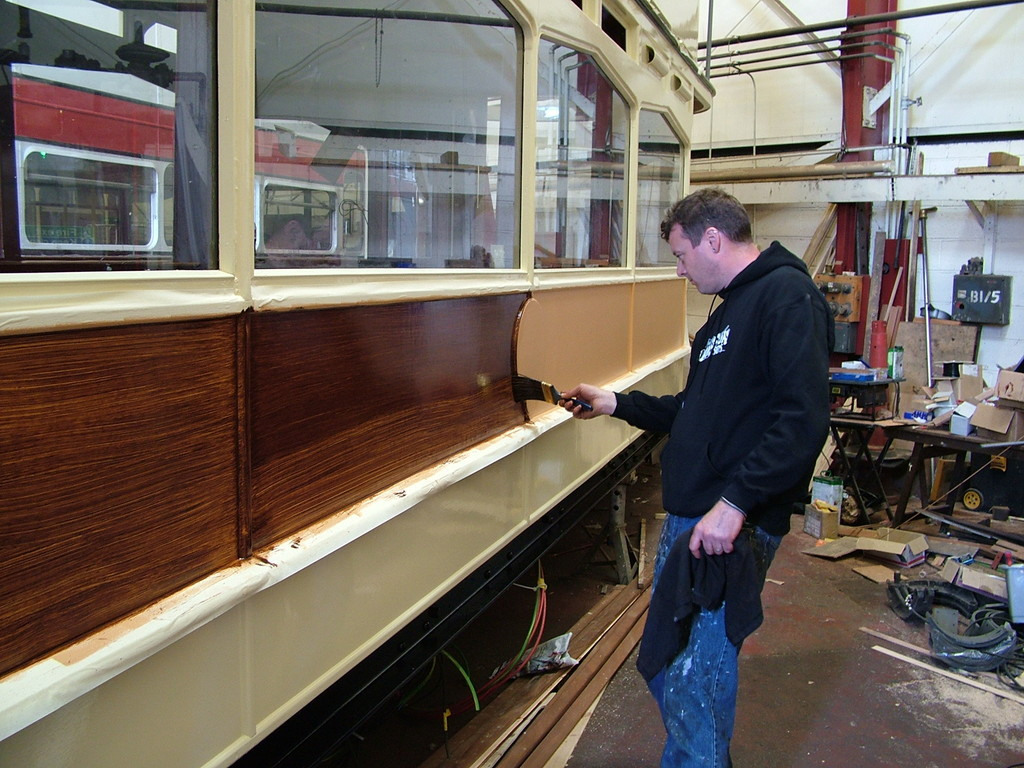
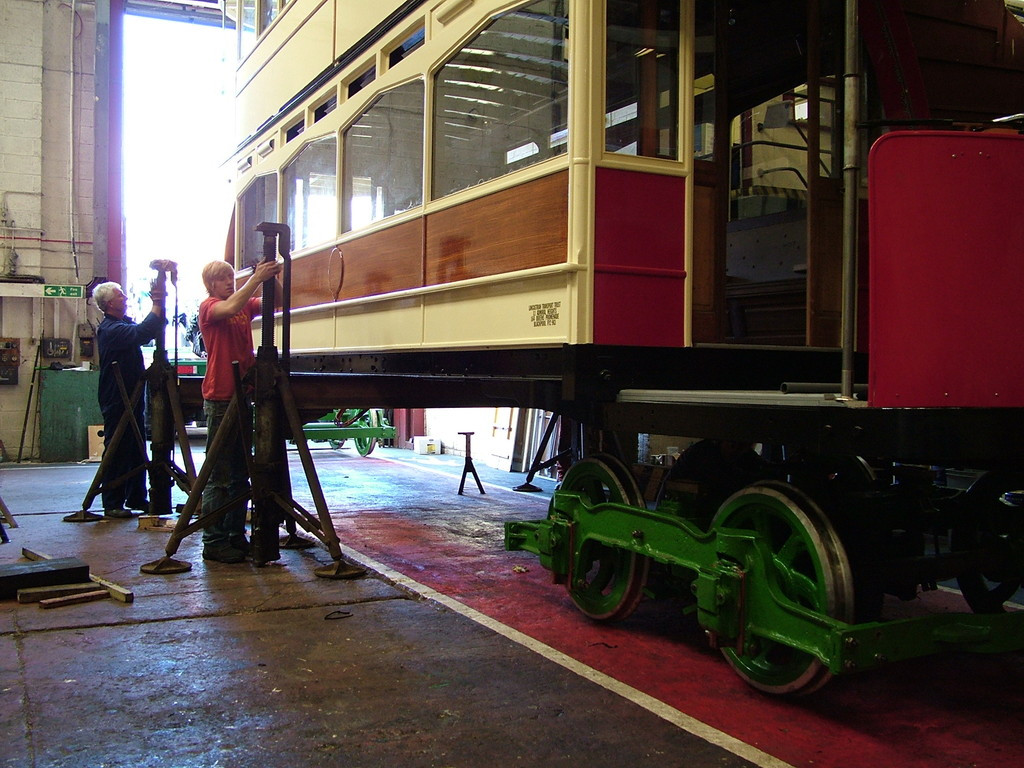
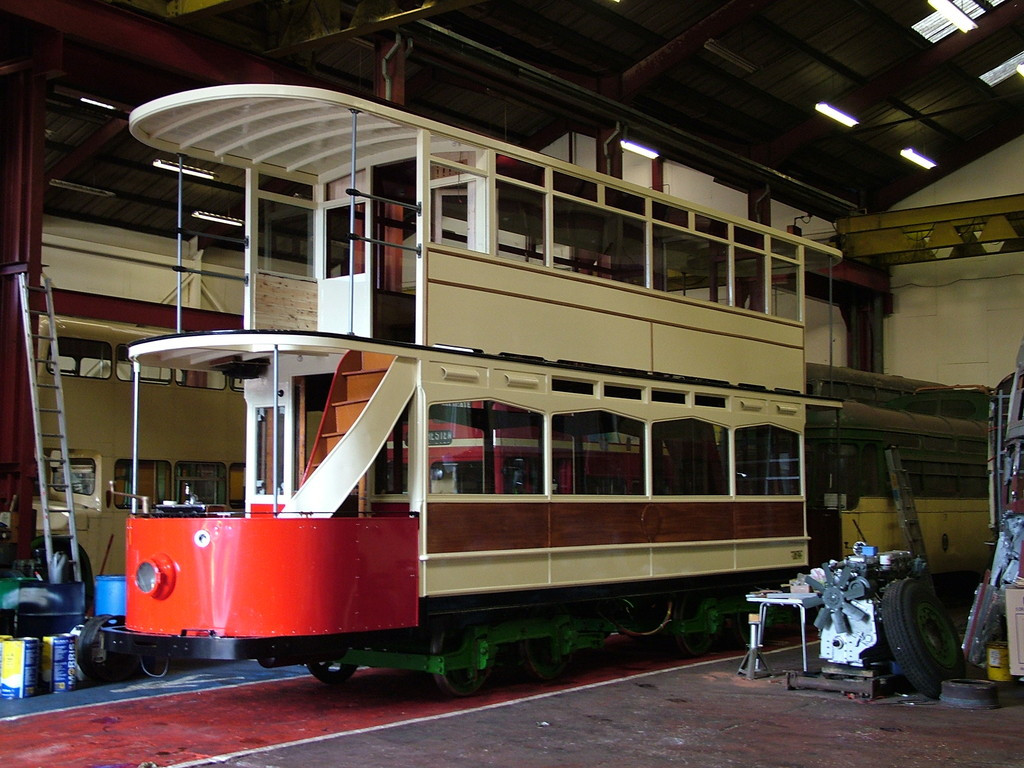
A grant application was submitted to the Local Heritage Initiative in August 2005 for a project to fully restore the tram to original 1924 condition, as an open platform, open vestibule tram, a type not represented by any of the other preserved Blackpool Standards. Work on the project started in November 2005 and 143 returned back to Rigby Road depot in August 2010 for completion by Blackpool Transport.
Unfortunately, the pressure of work to upgrade the tramway and the retained double deck cars resulted in no work being undertaken on 143 and the realisation that the extent of heritage operation would be minimal led to BTS not being in a position to honour their pledged partnership agreement dating back to 2005. As a result, car 143 was stored until November 2018 when a revised agreement was negotiated with Blackpool Transport.
During the remainder of 2018 and throughout 2019, the work on 143 was completed in a joint project involving Blackpool Transport staff, contractors and volunteers and the car was launched, looking superb, on 23rd September 2019.
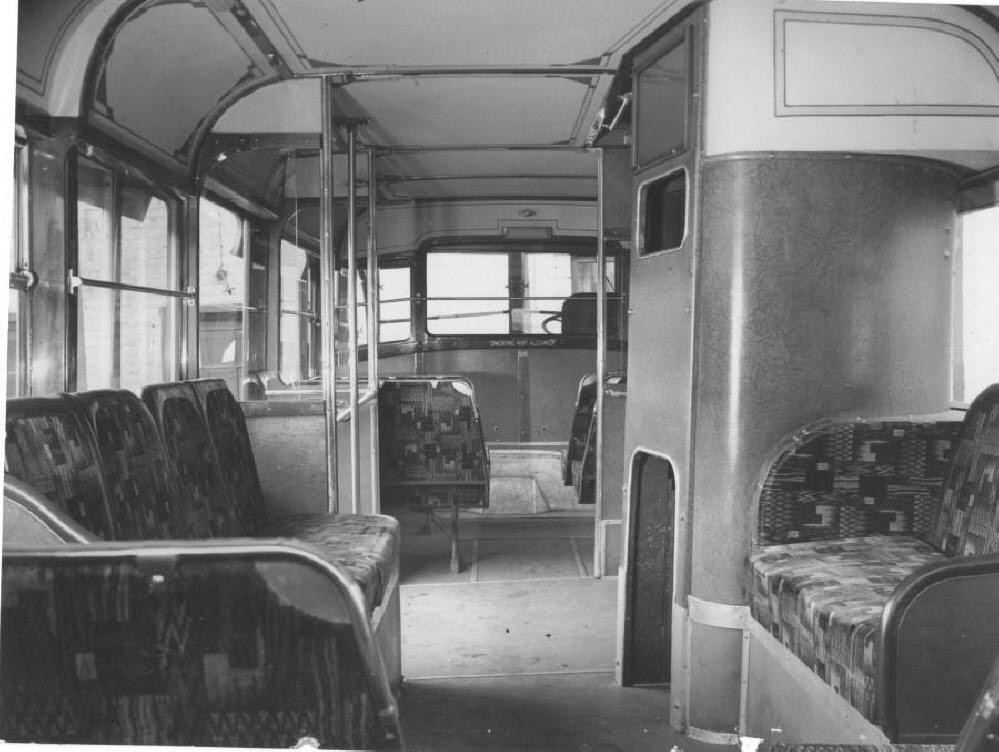
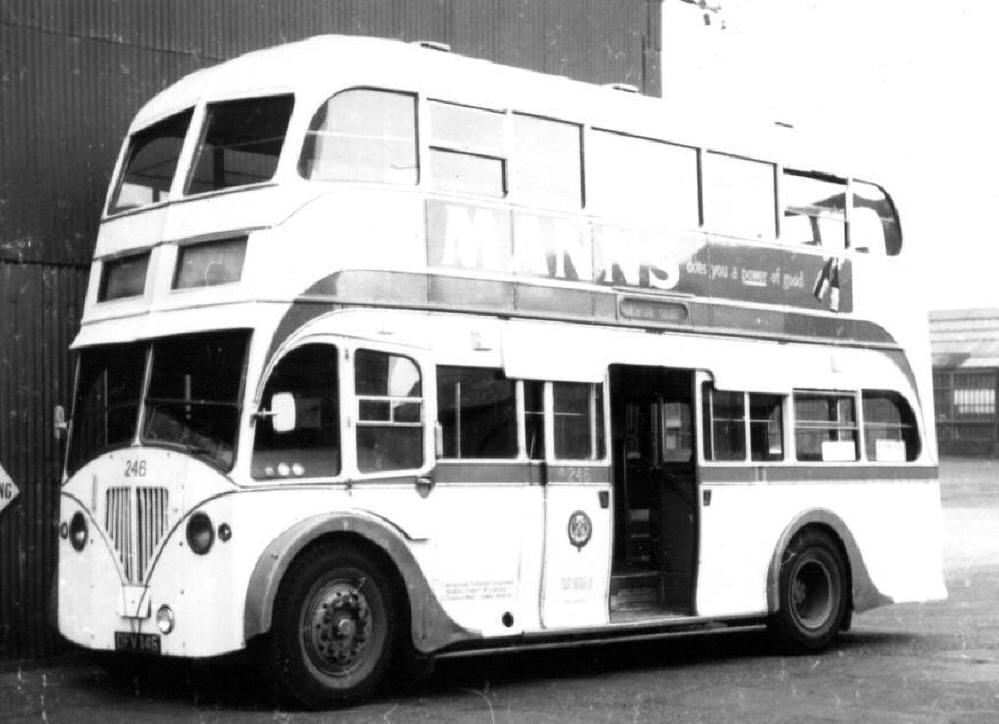

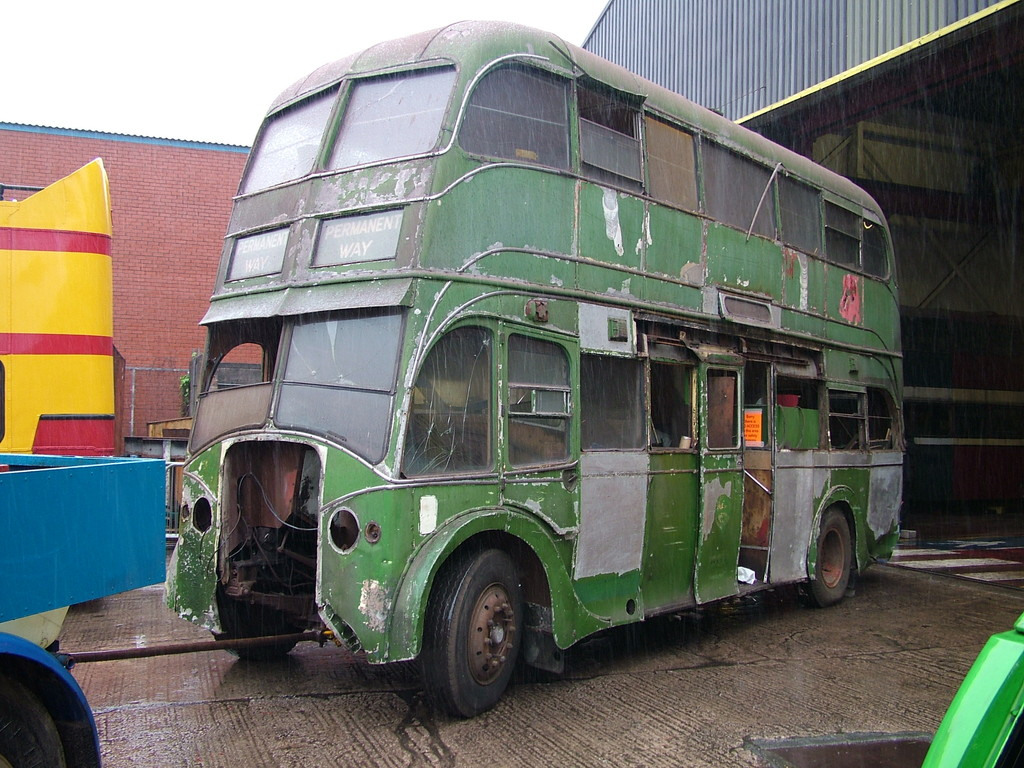
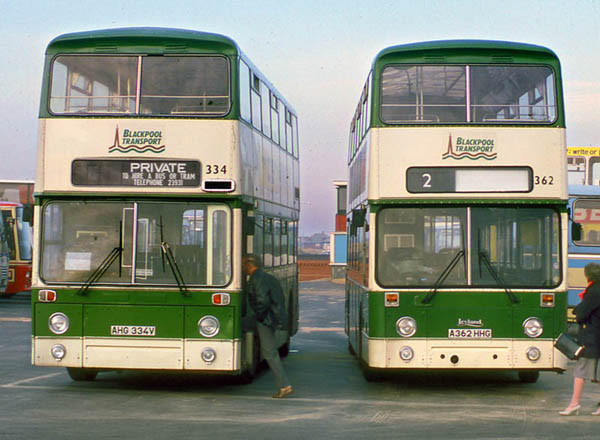

























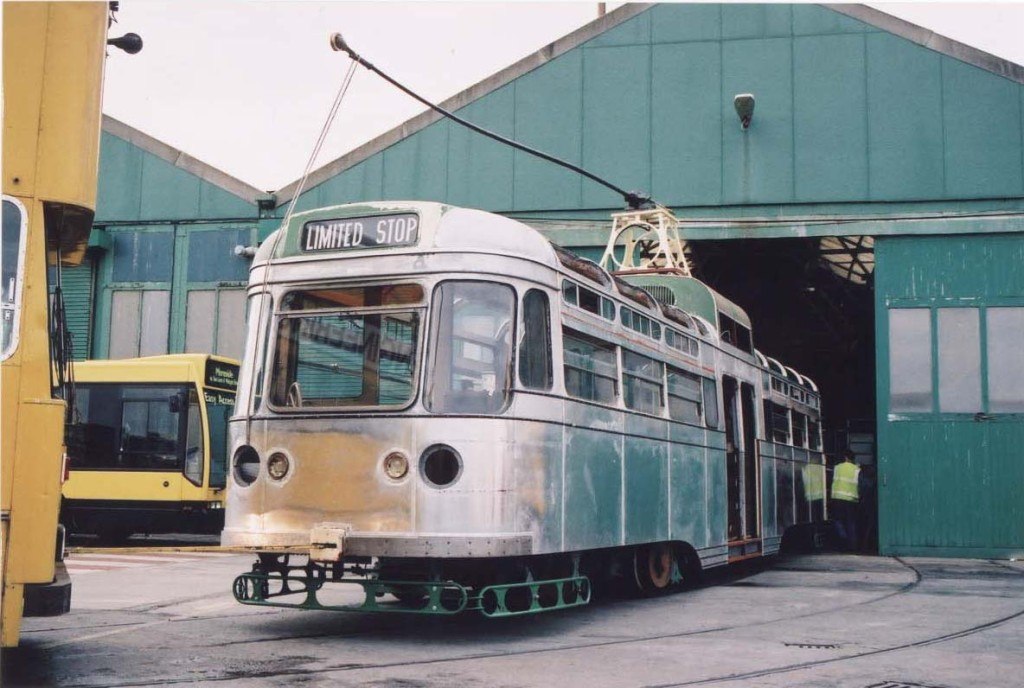
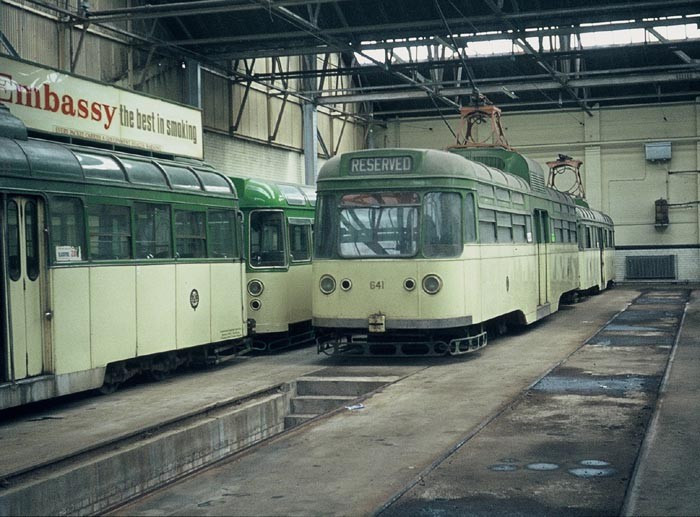

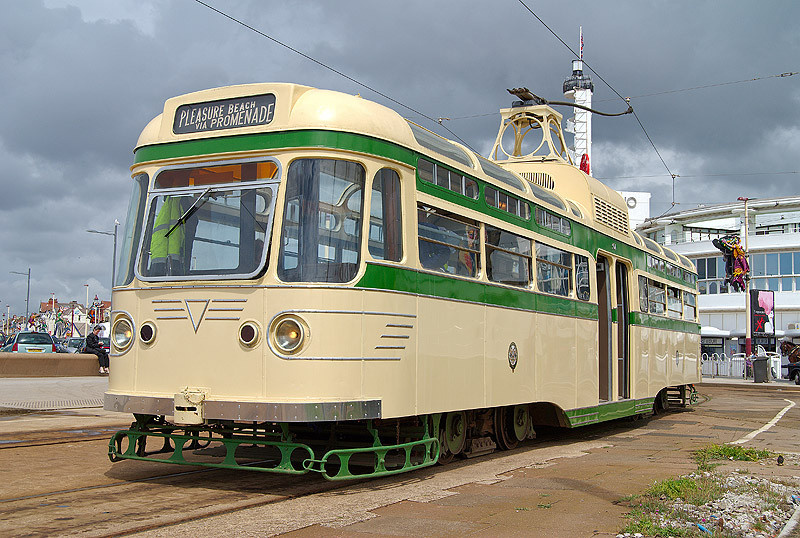
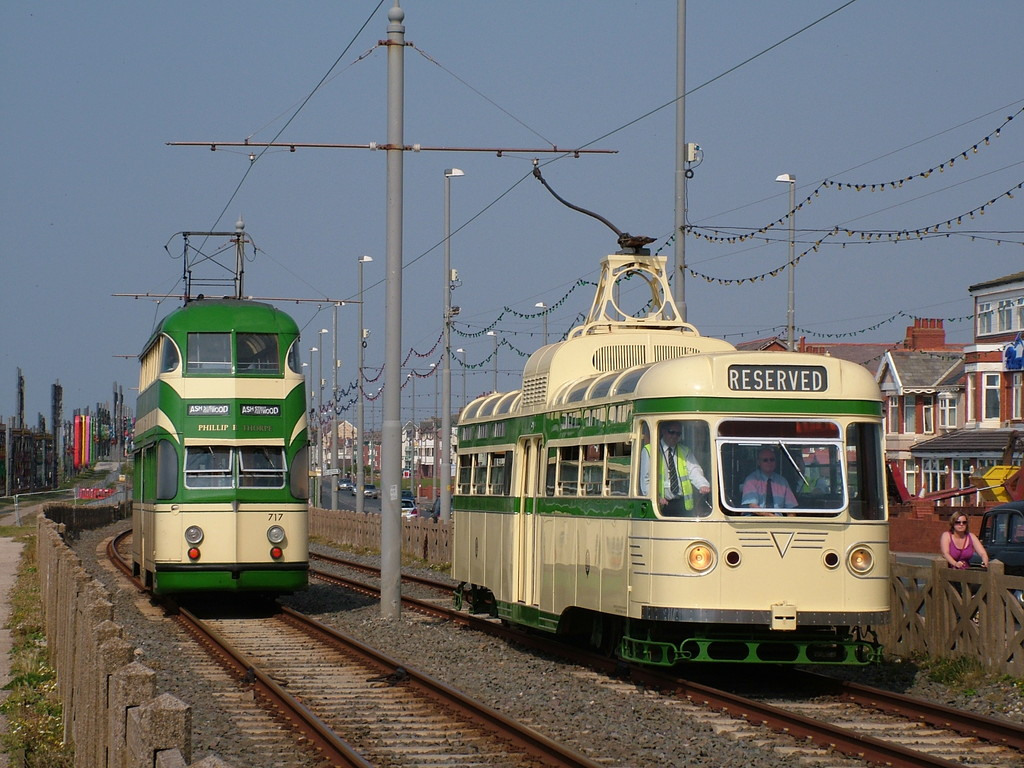

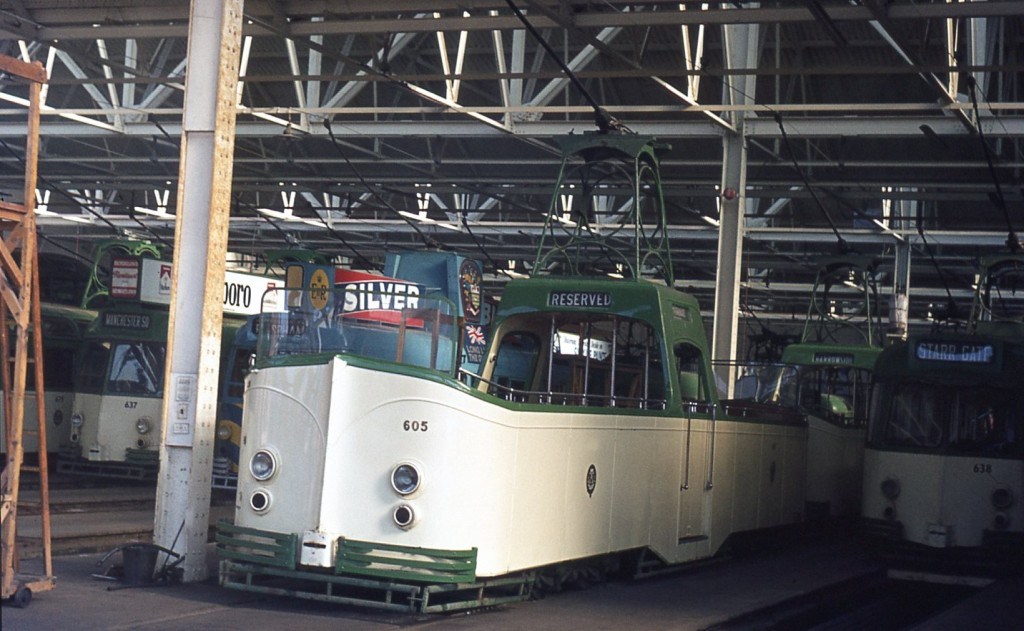
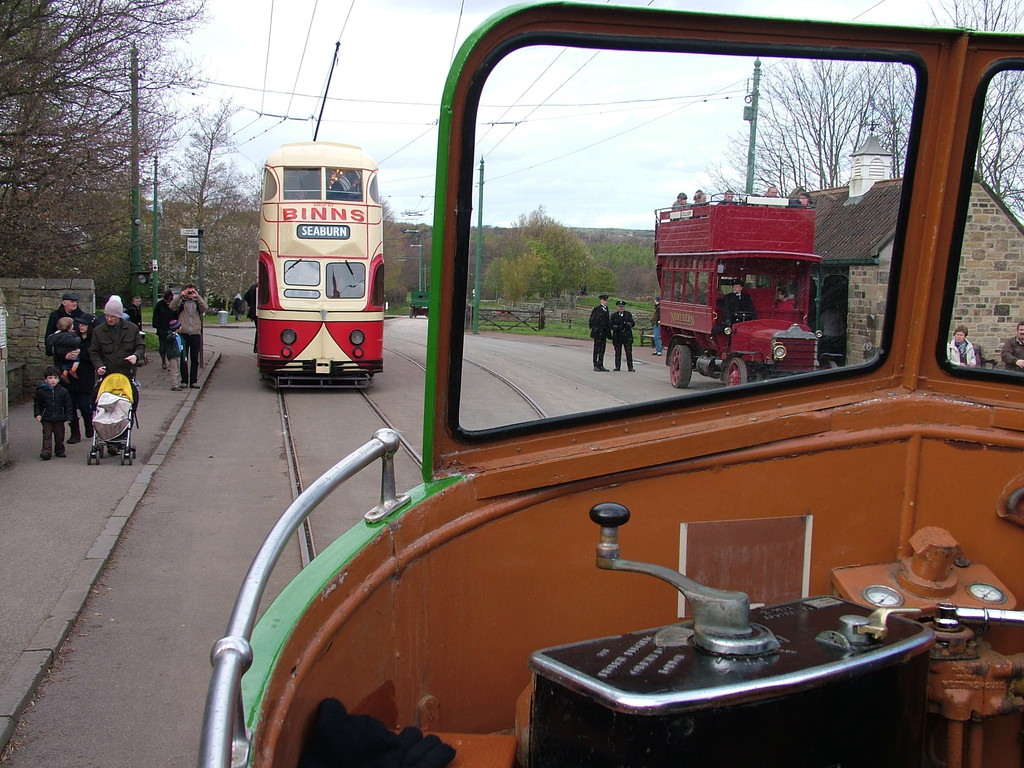
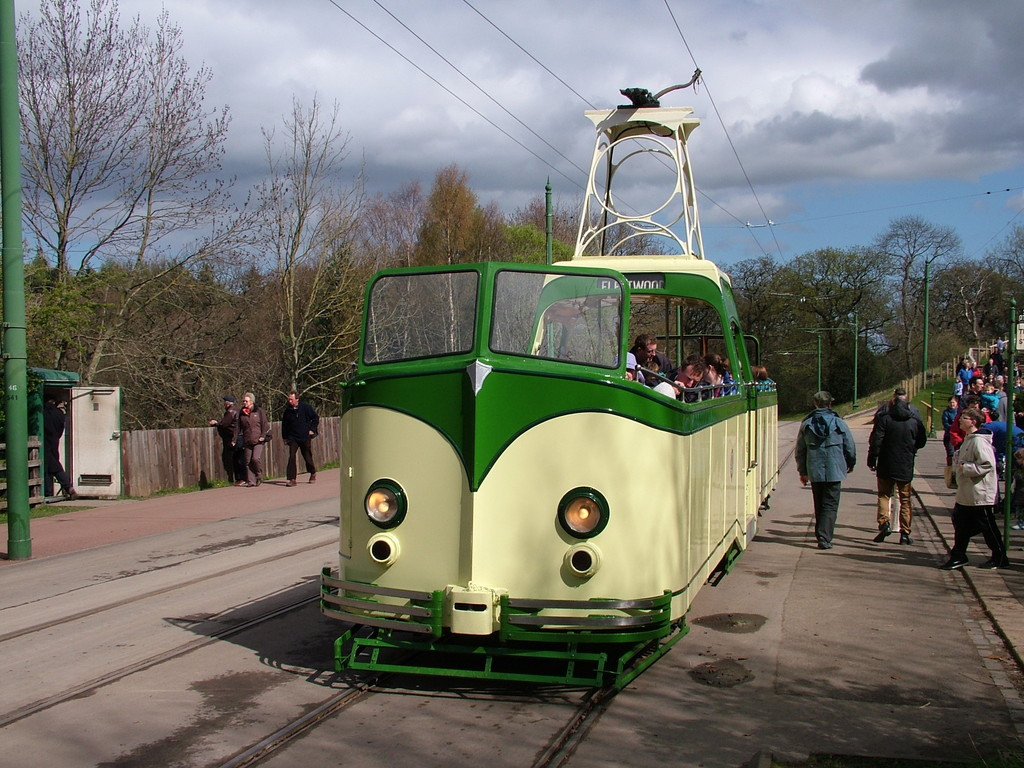

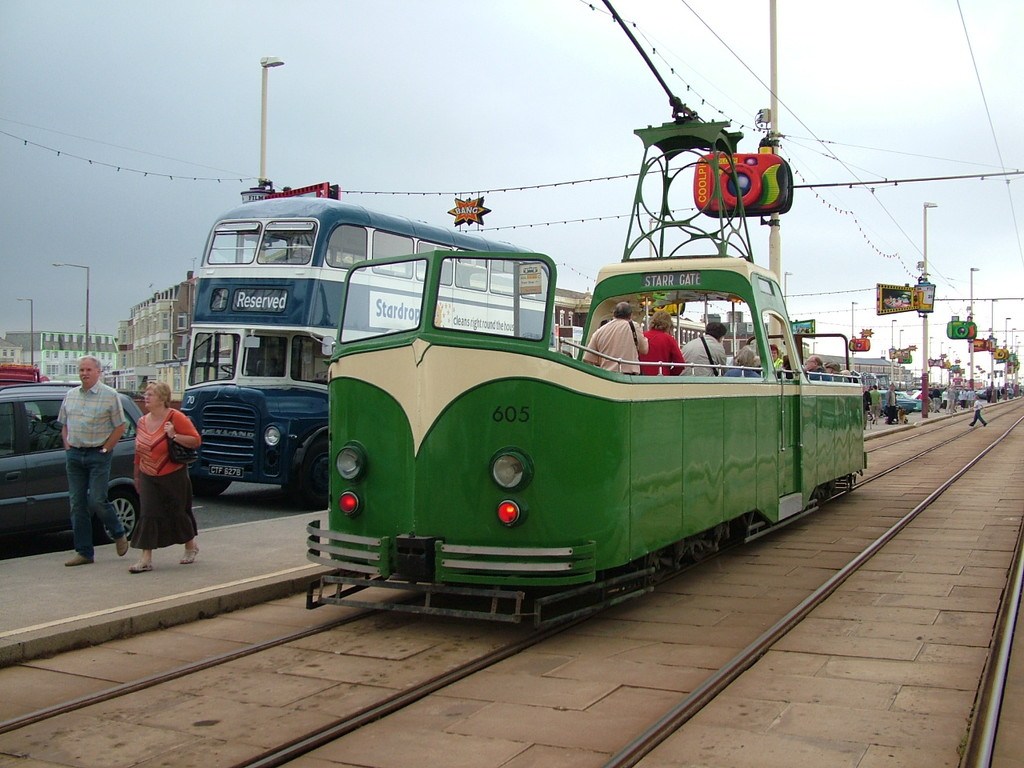
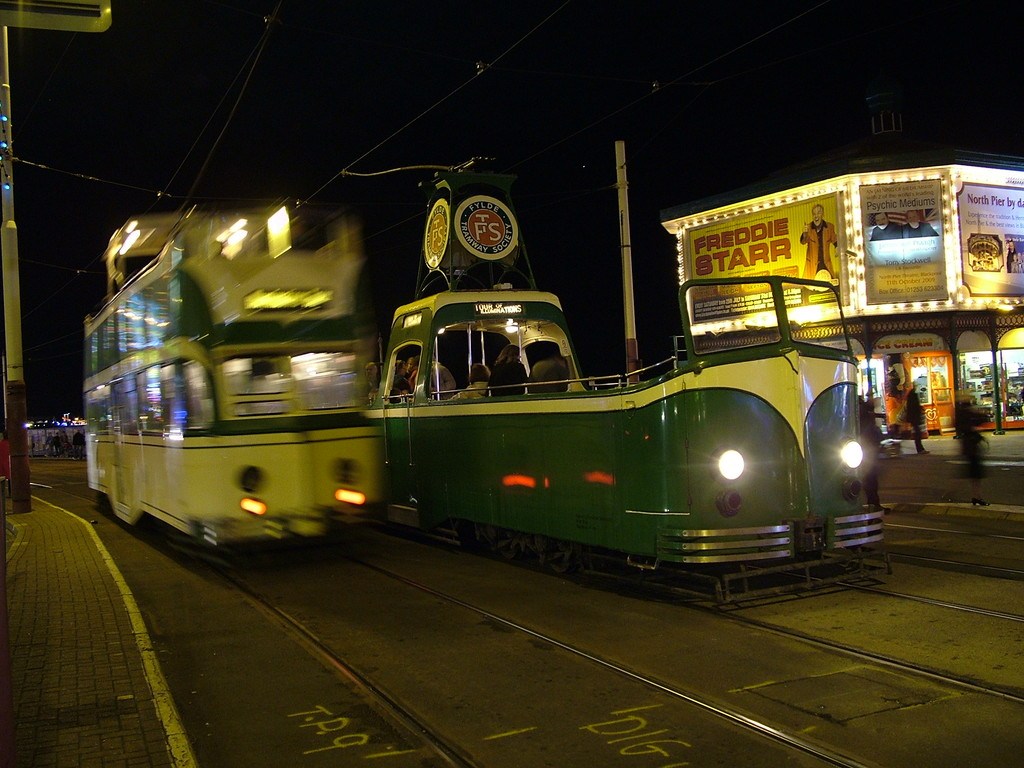
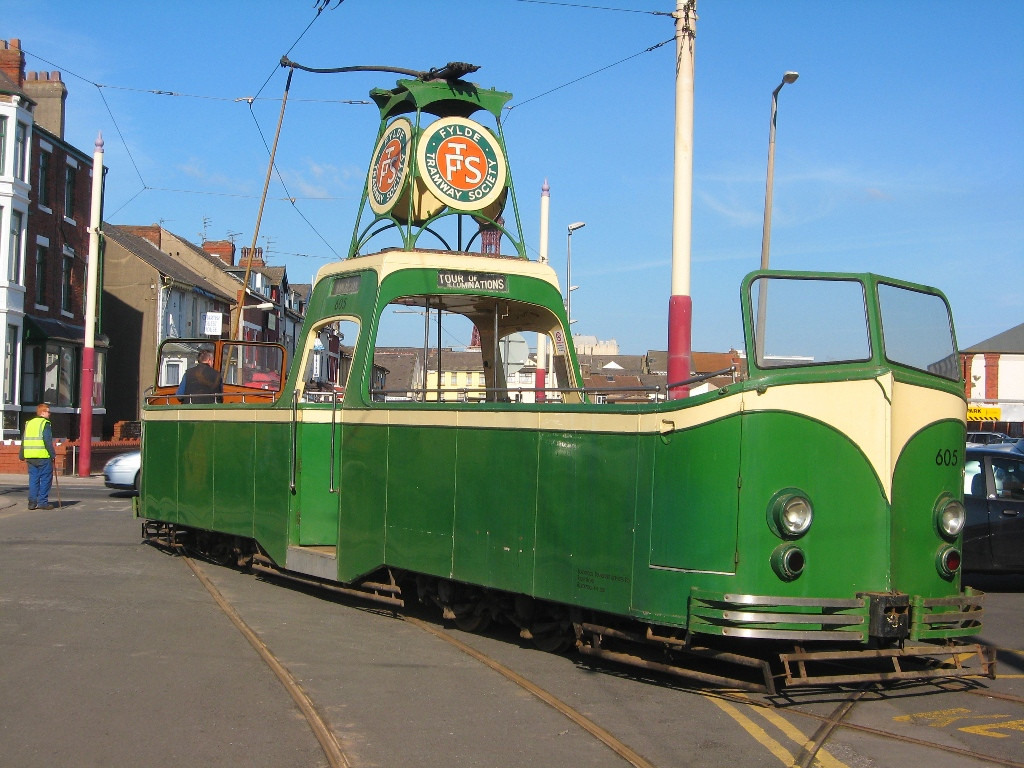
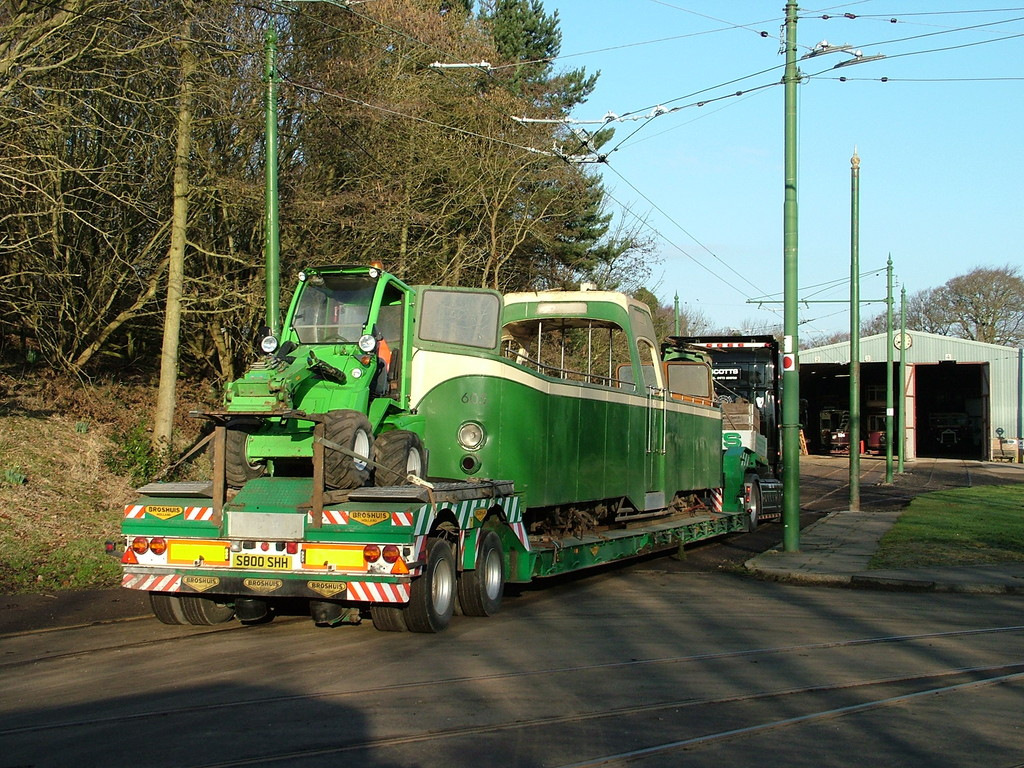

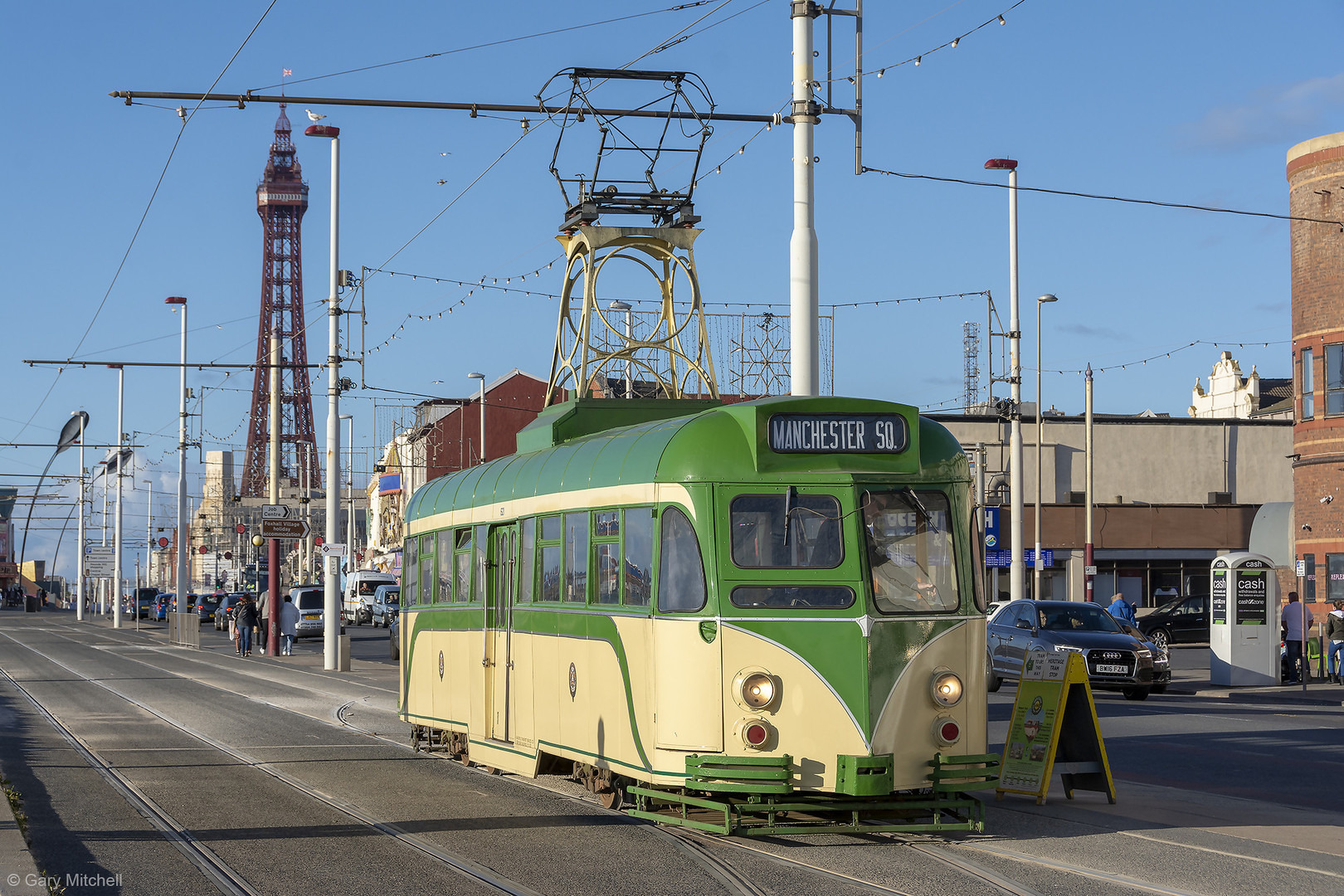
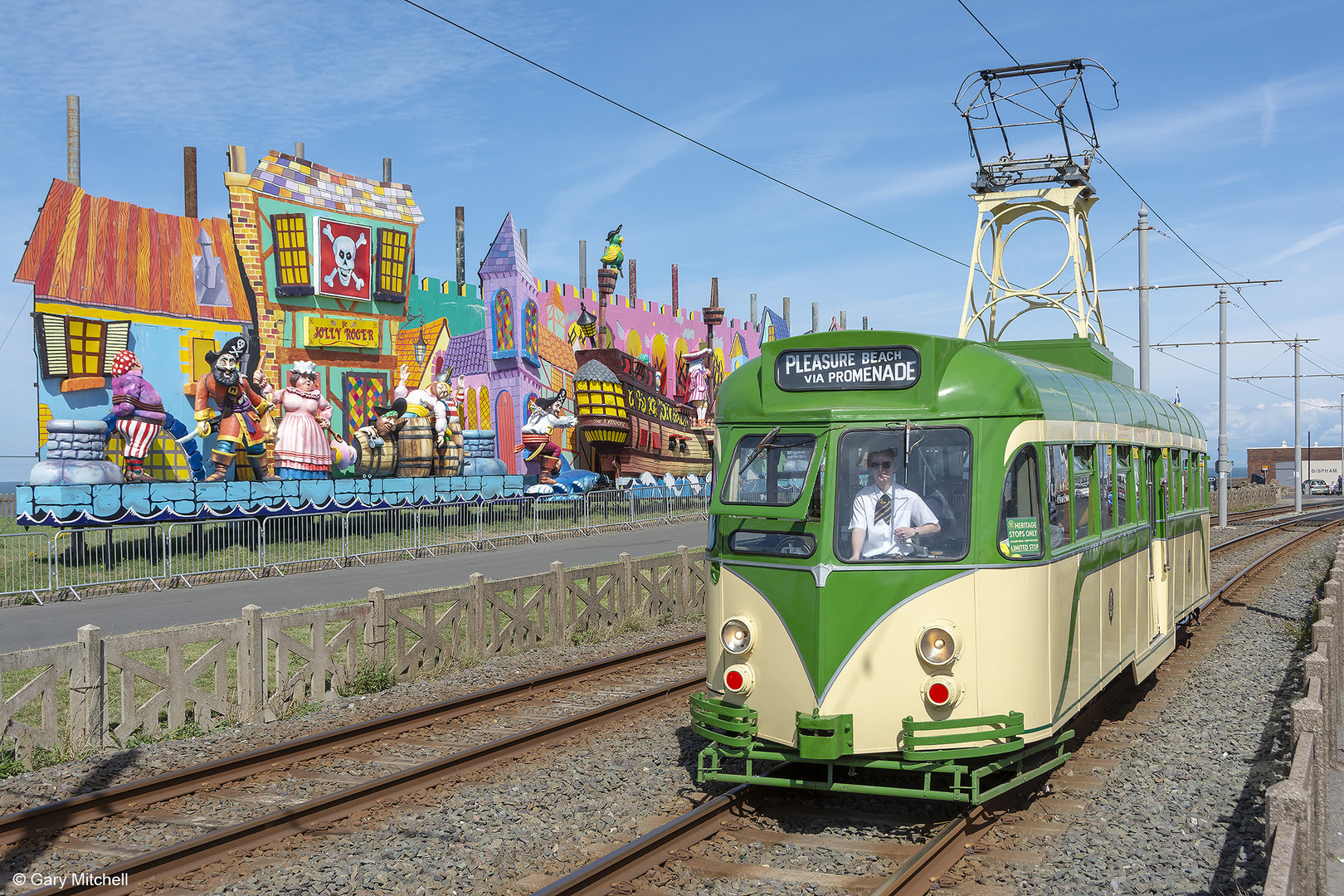
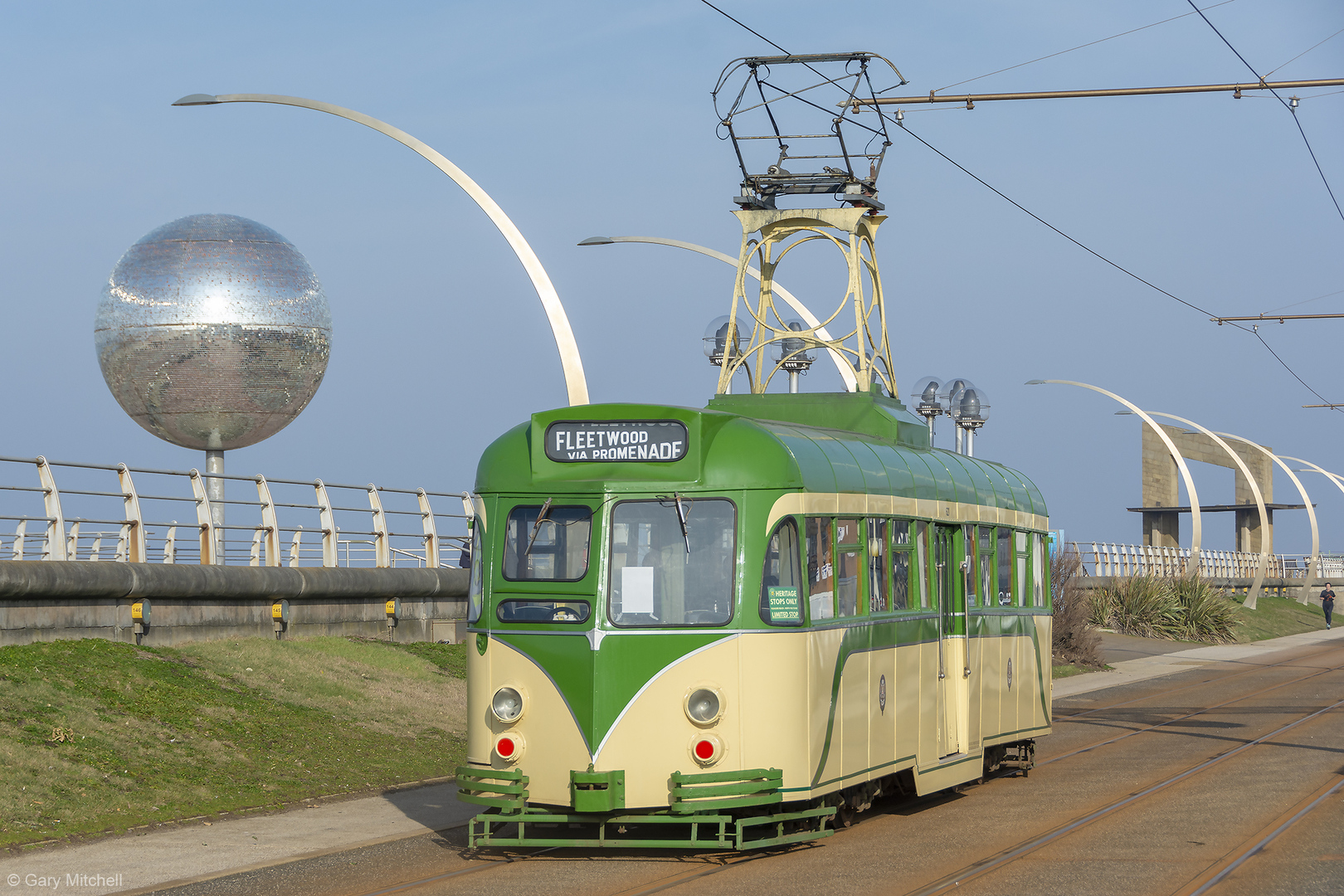
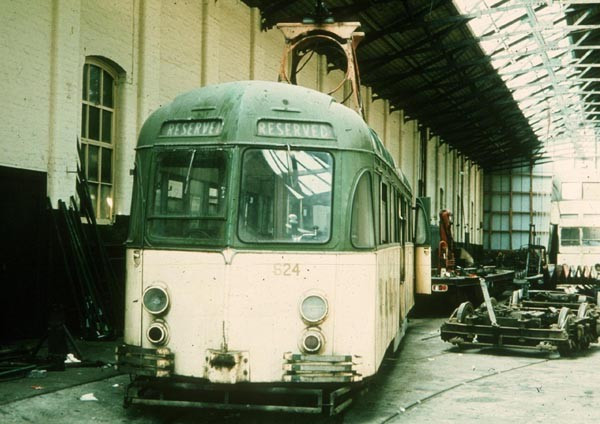
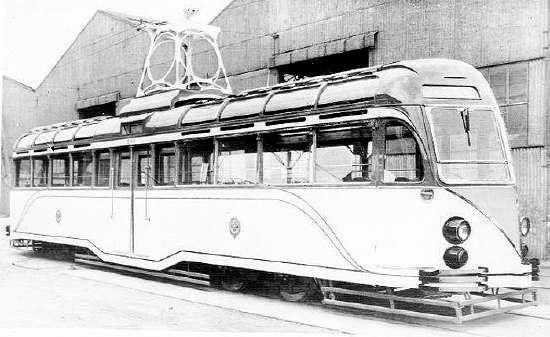


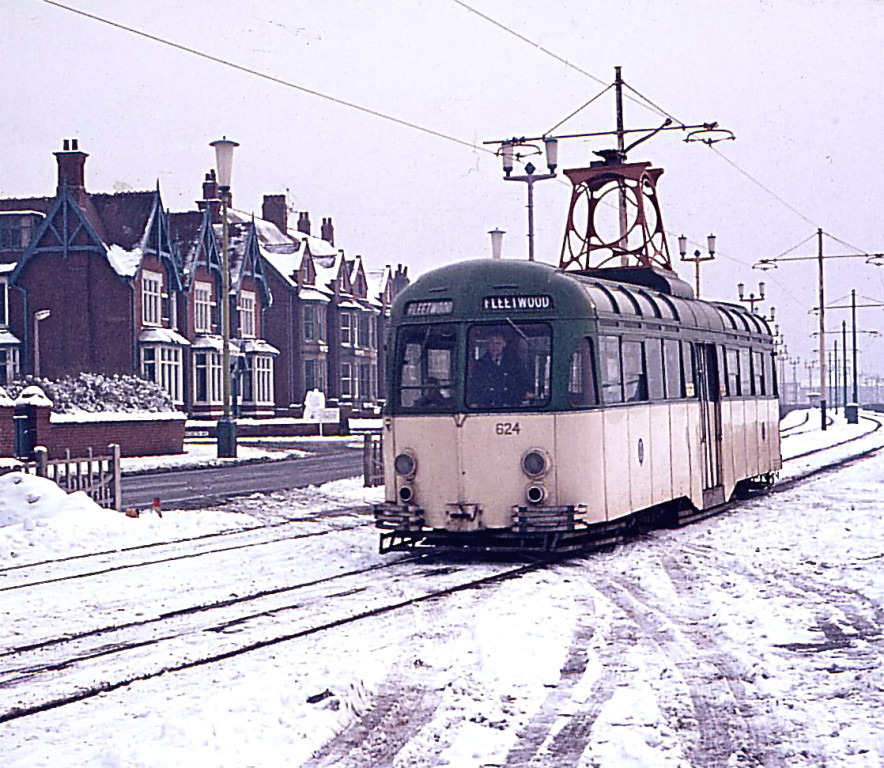


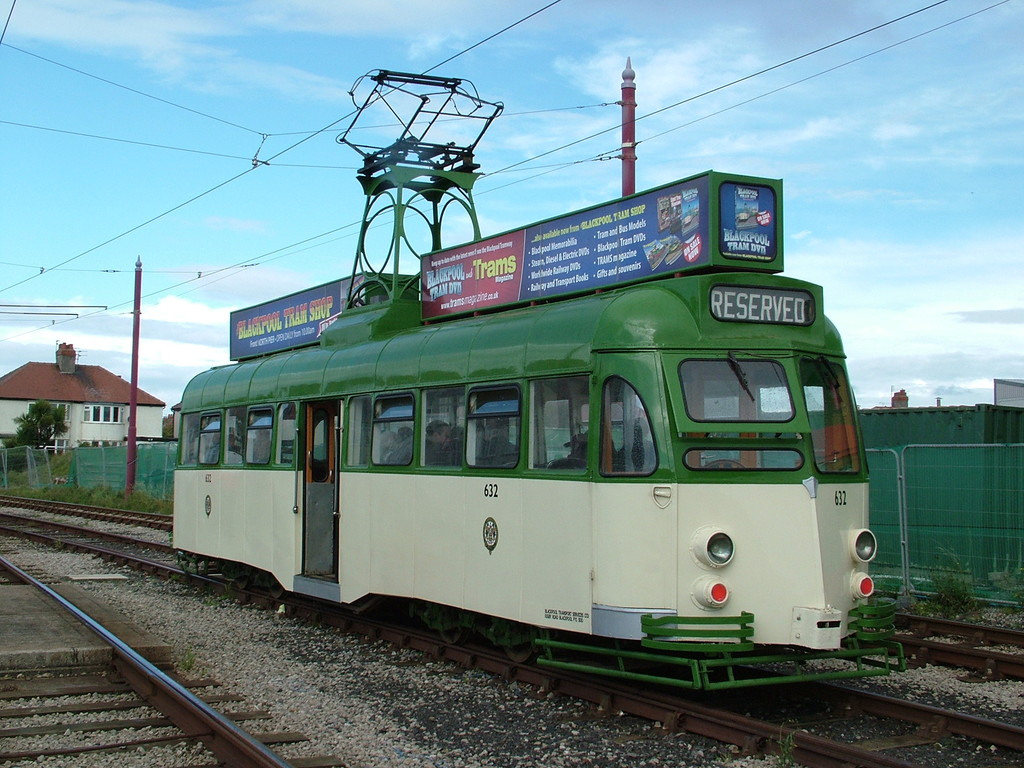
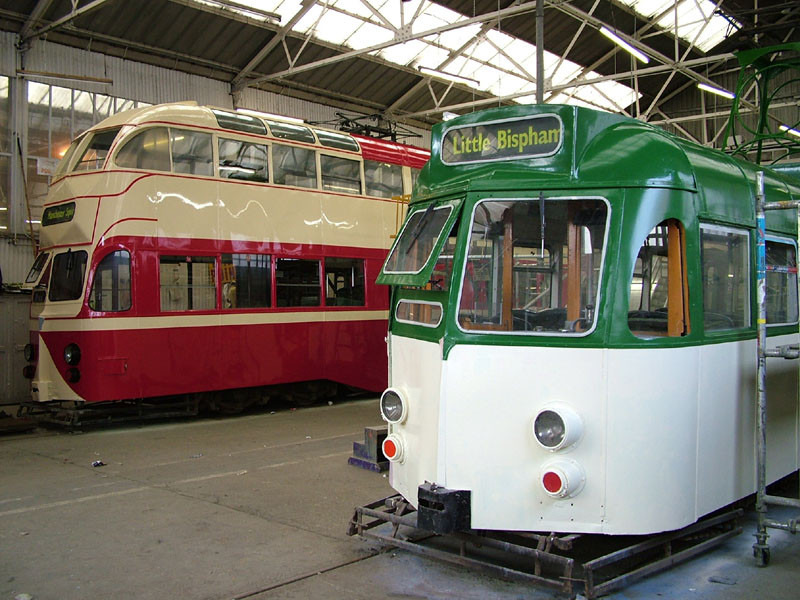
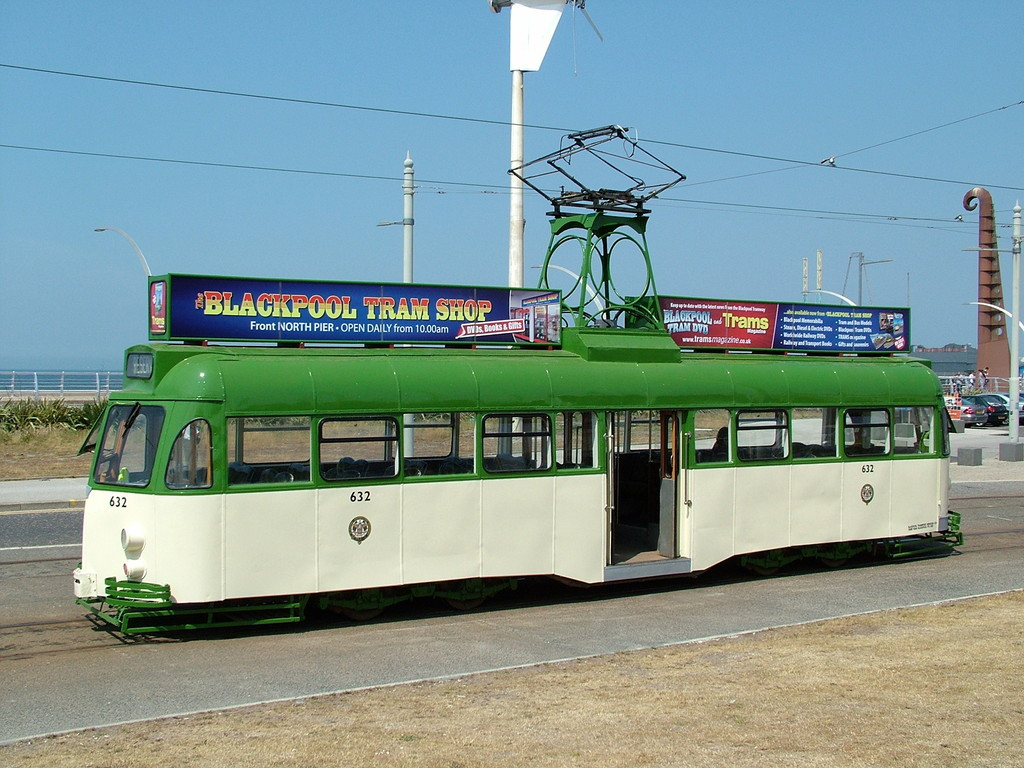
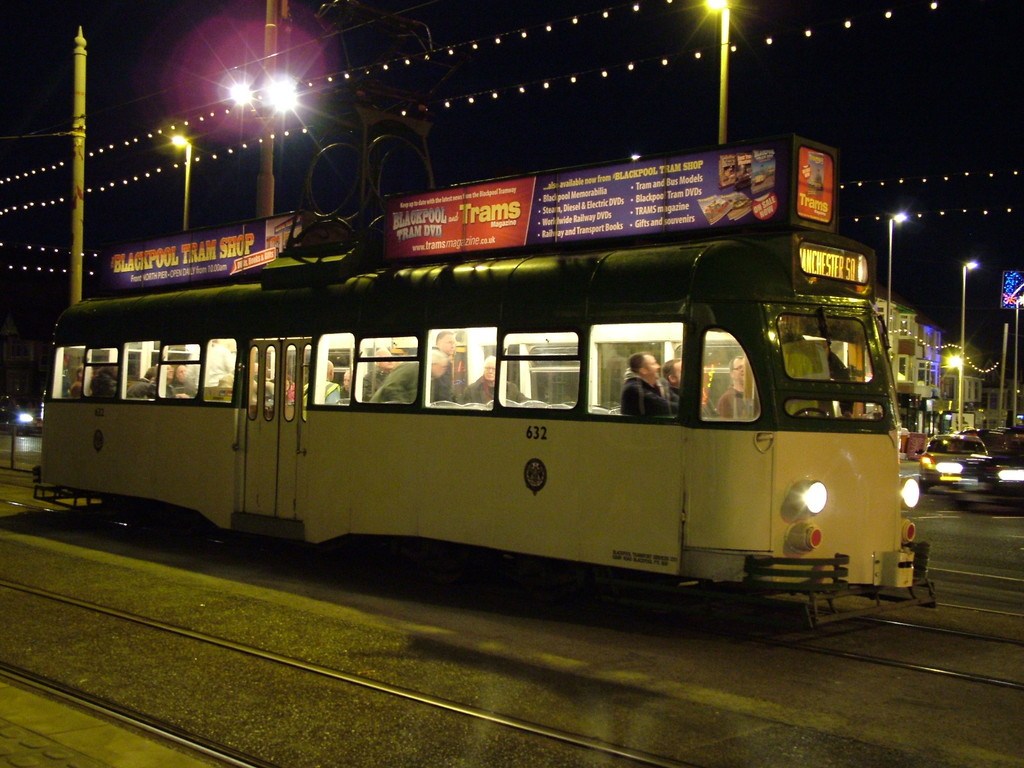

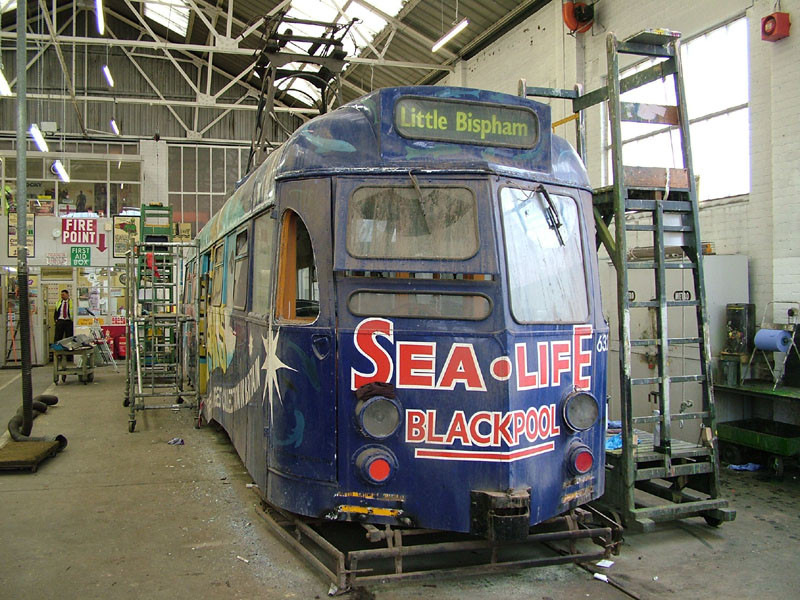
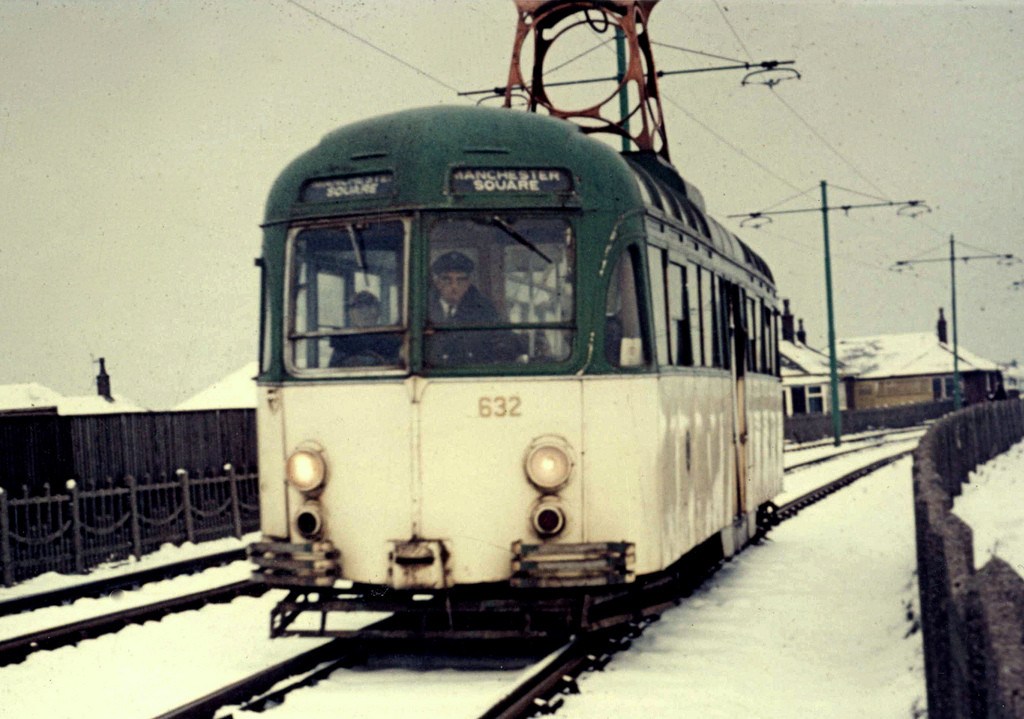
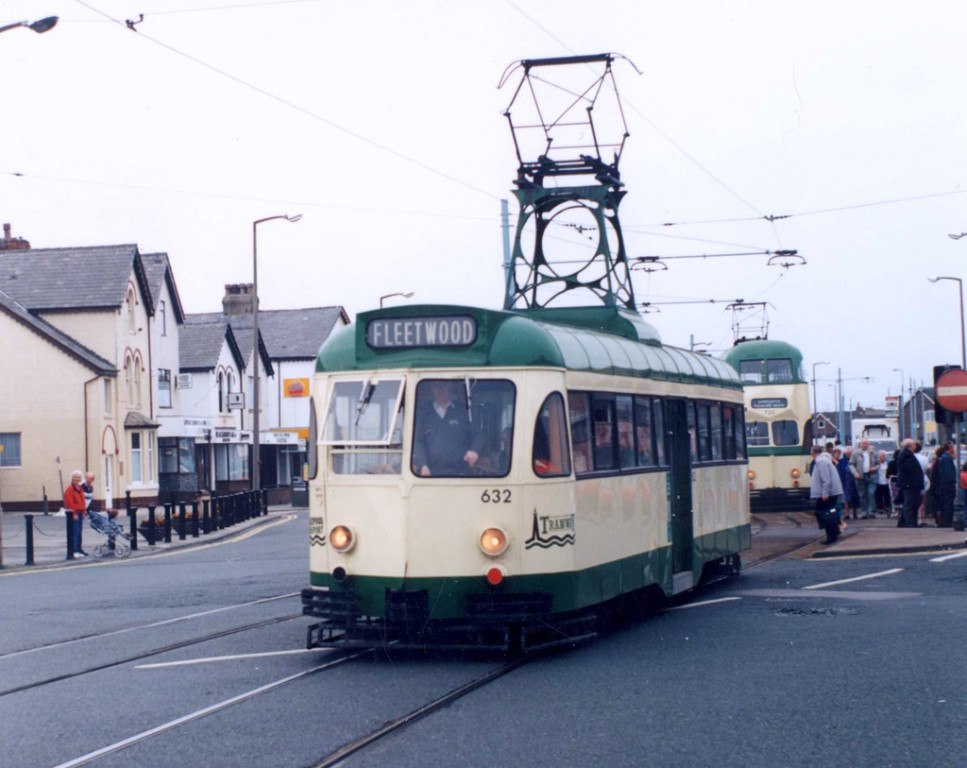
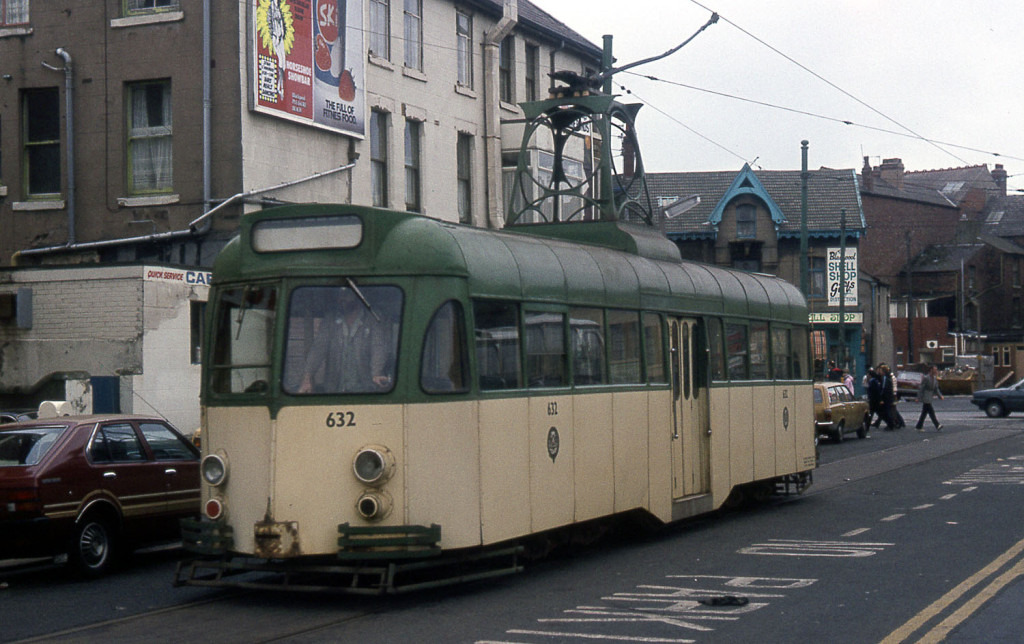
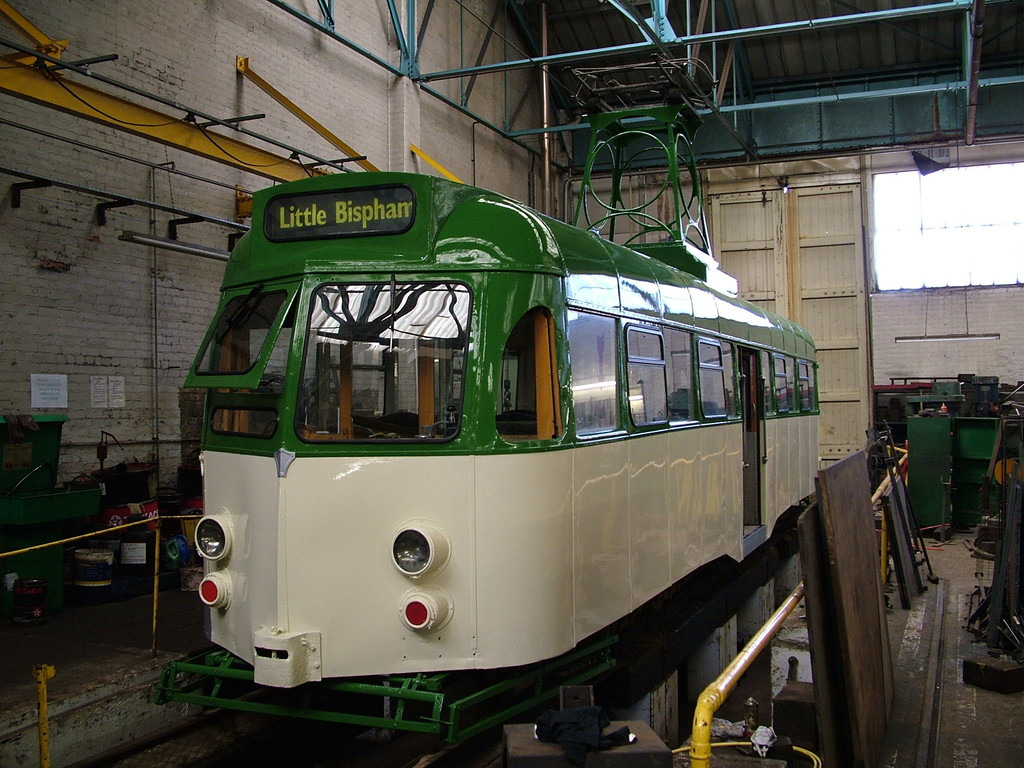
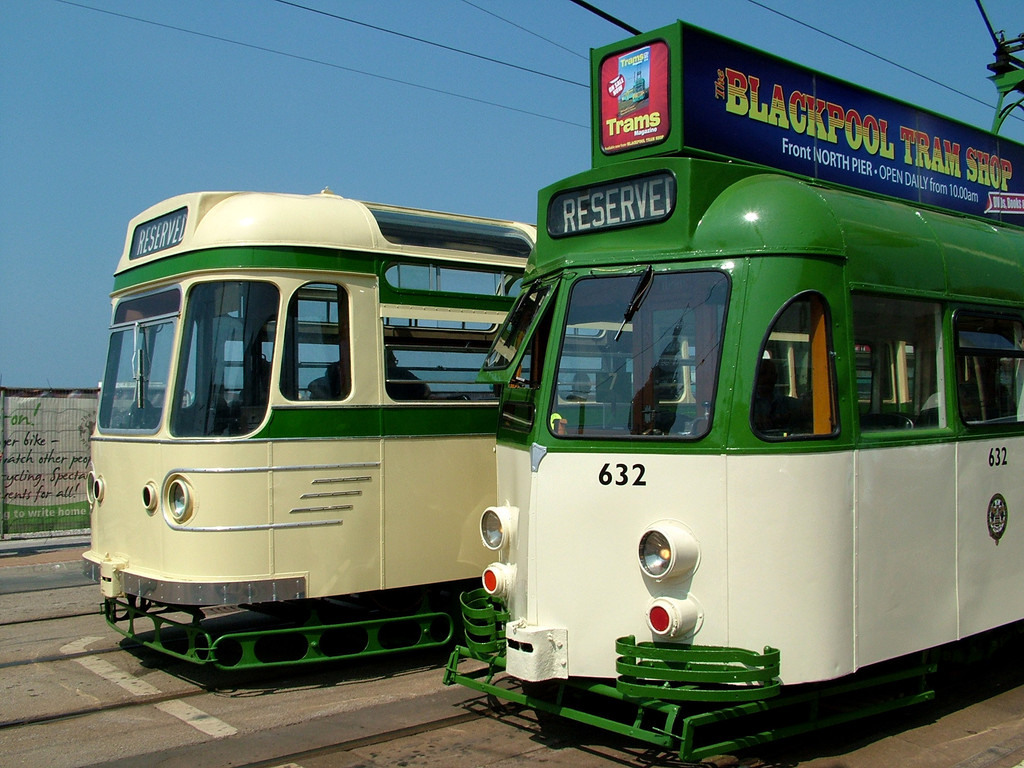
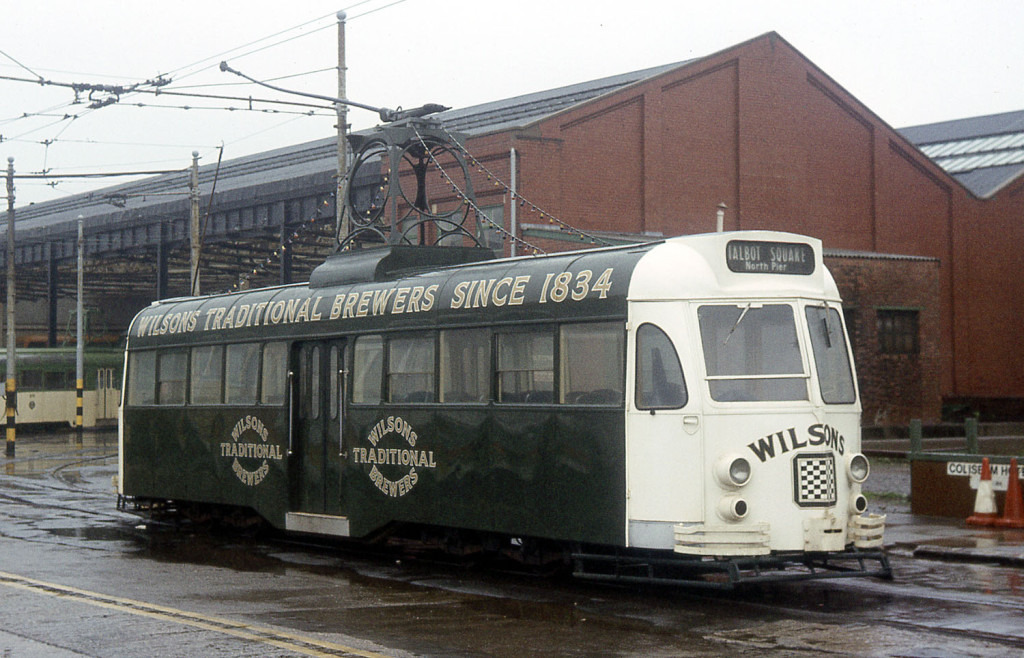






Railcoach 279
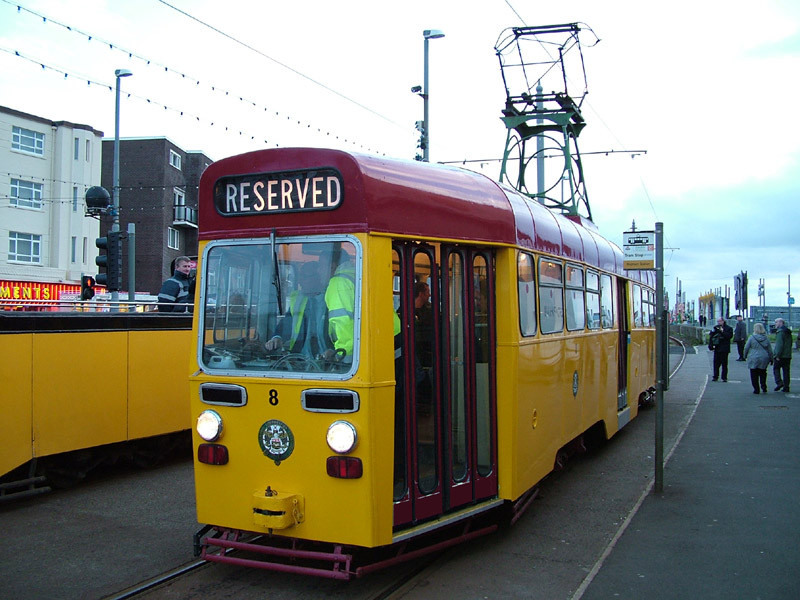
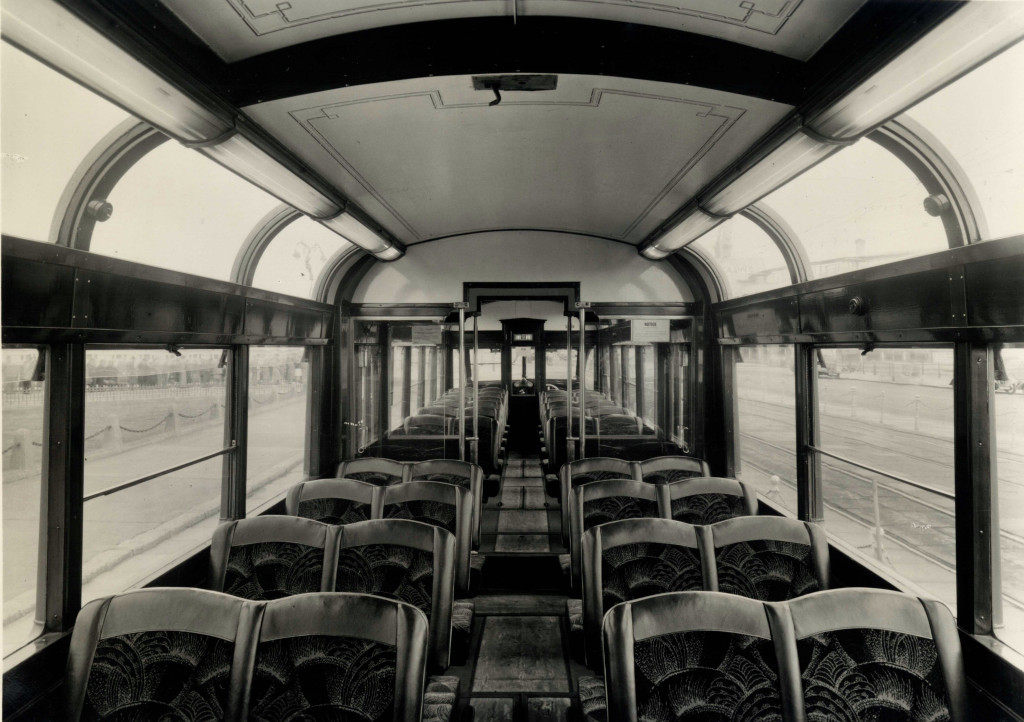
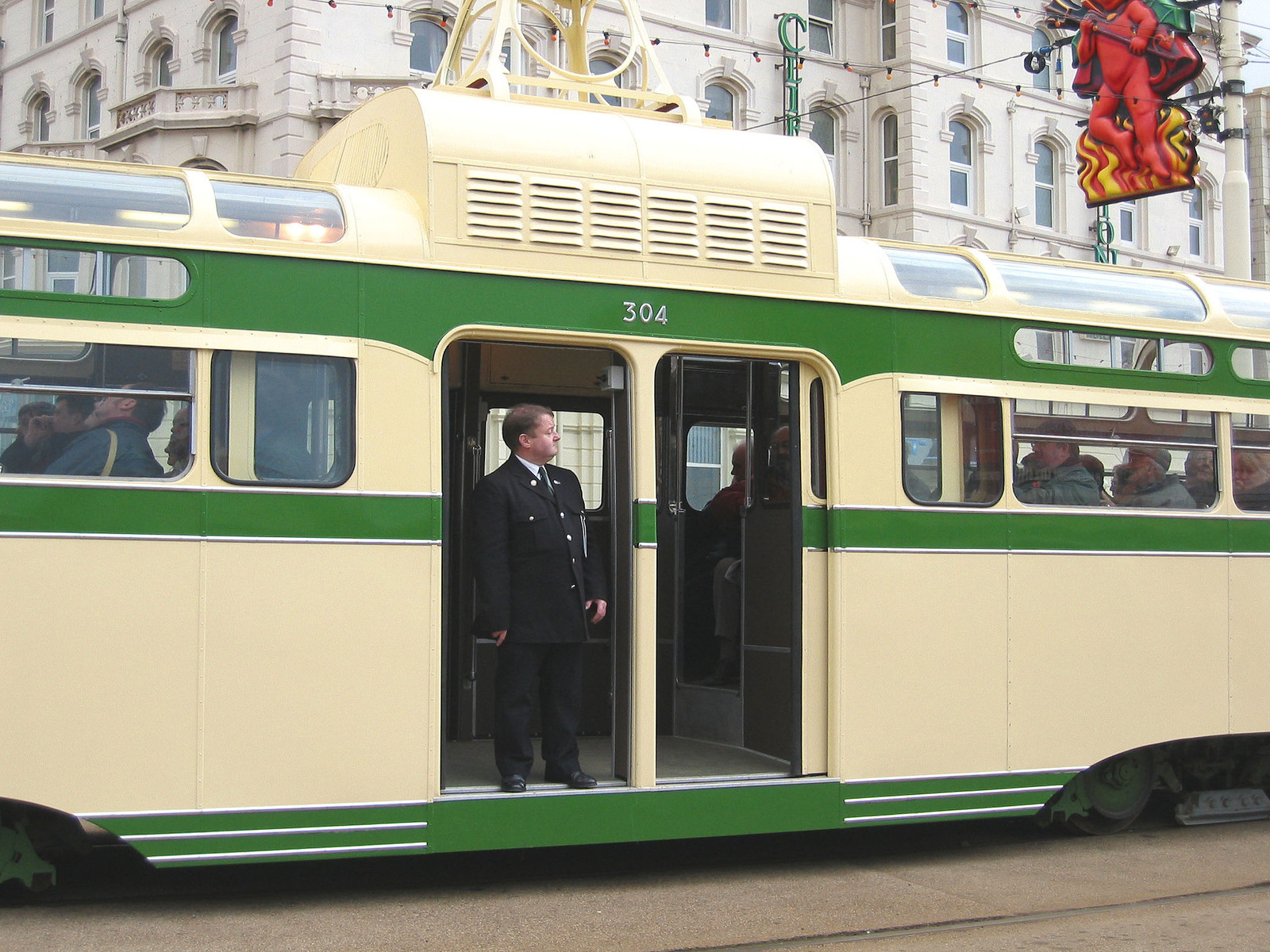
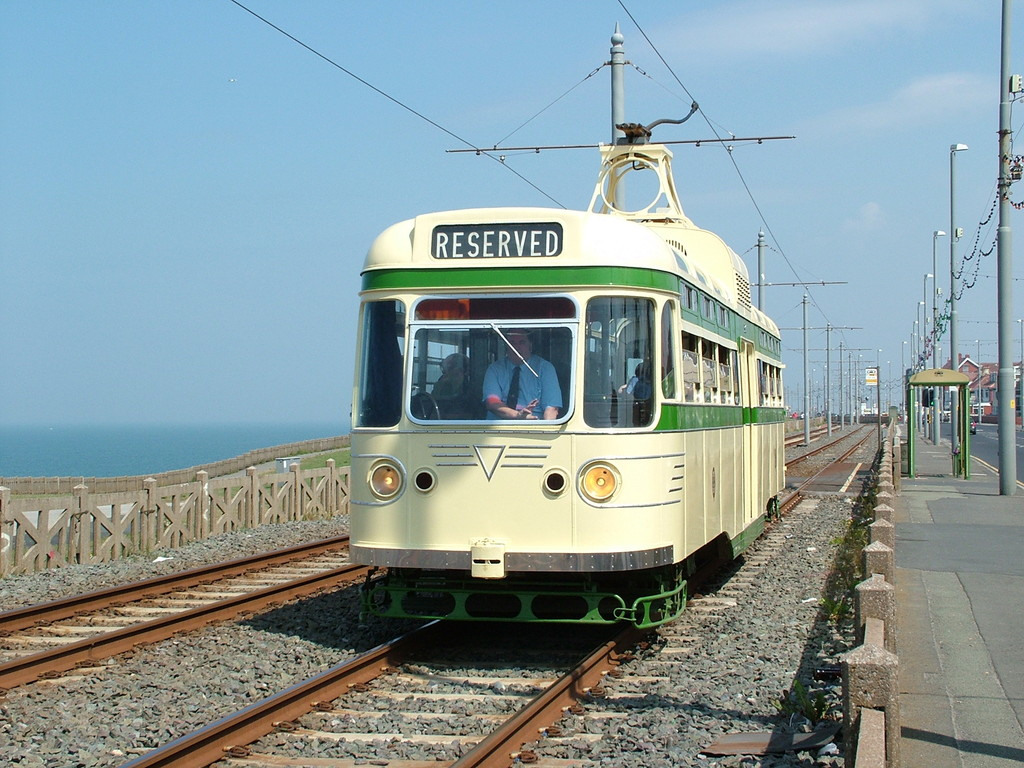
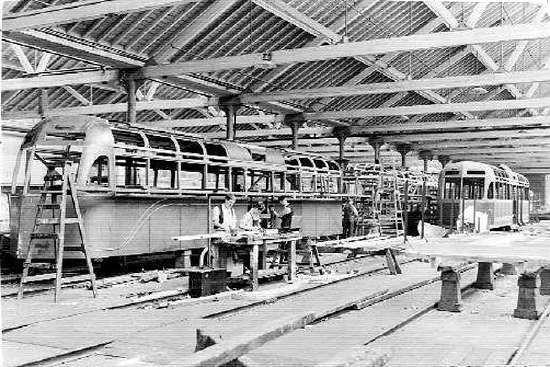
During the 1930s Blackpool Corporation spent thousands updating the tram fleet with over a hundred streamlined centre entrance tramcars. This investment helped the tramway survive to the present day. Walter Luff, the General Manager of the transport department from 1933, led the revolution of Blackpool’s tramway and many of the trams introduced during the 1930s are still in service at Blackpool today
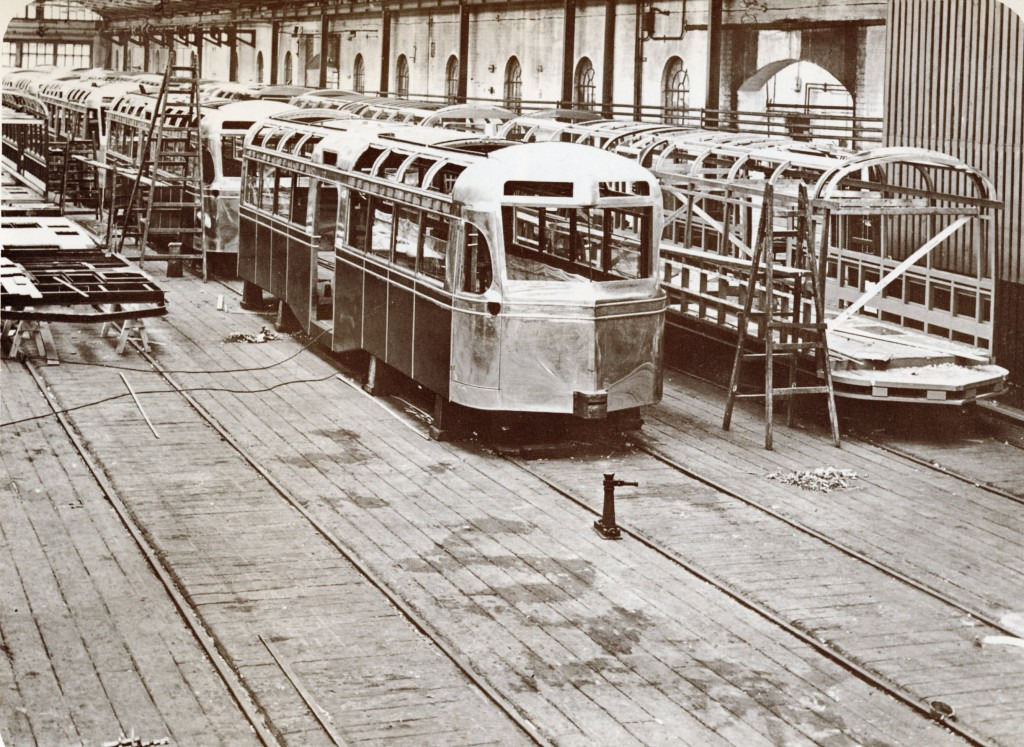
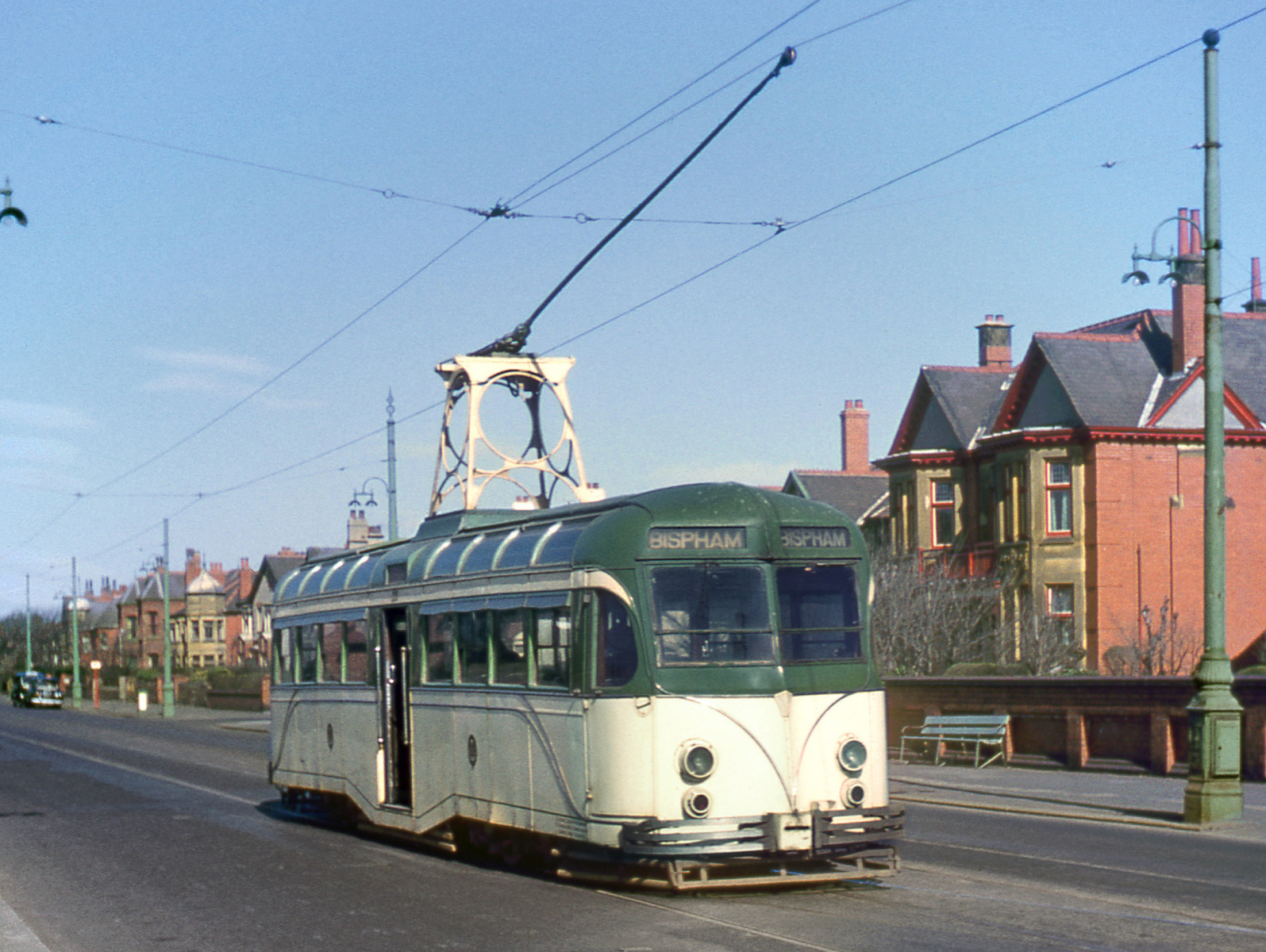
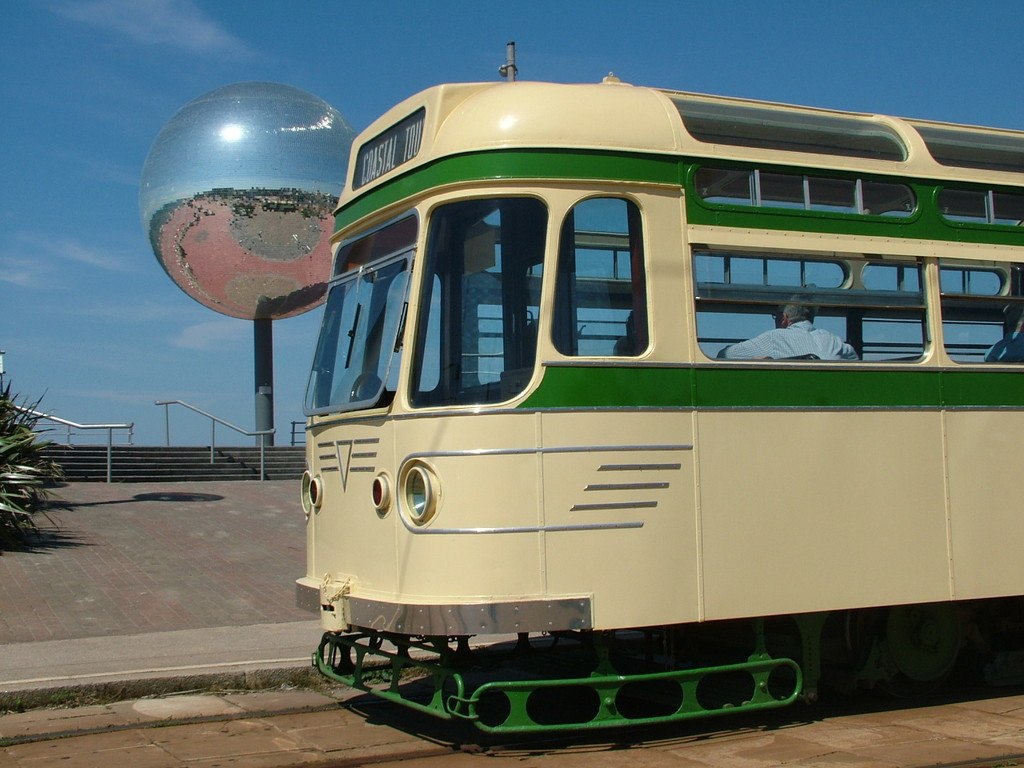
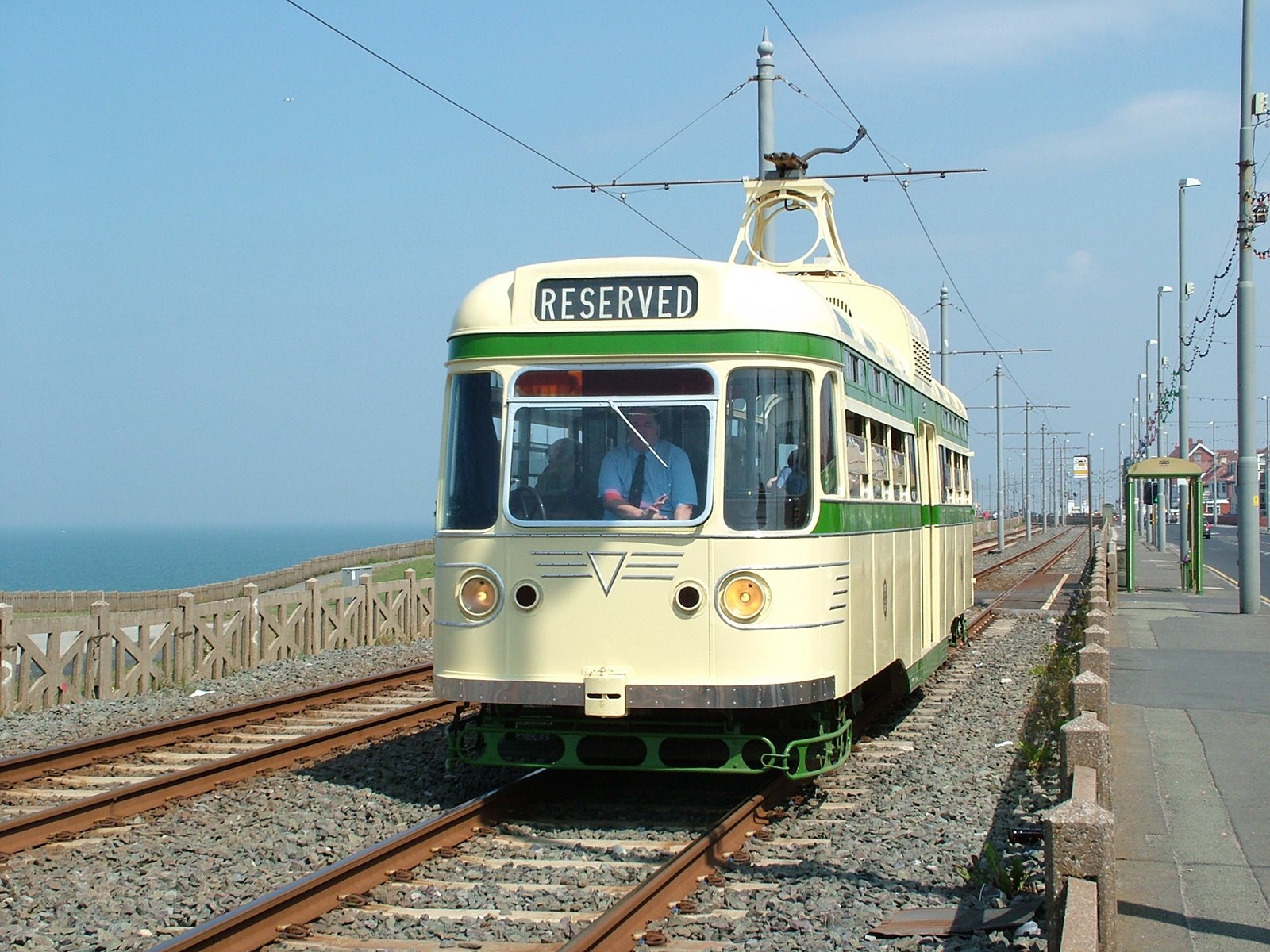
The first design to be introduced was the Railcoach, a streamlined centre entrance single deck design that included features from contemporary coach design which competed with the tramway for tourist traffic. 45 Railcoaches were built at the Preston workshops of English Electric whilst other designs included an Open top single decker, and both enclosed and open-top double deck designs of similar streamlined appearance.
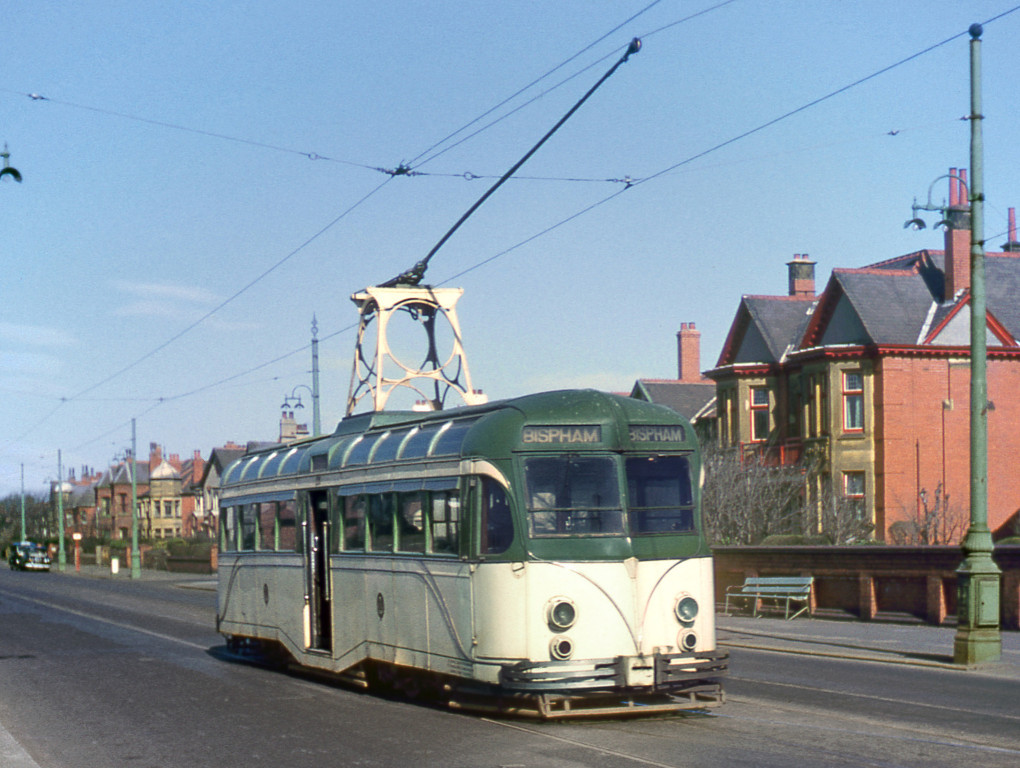
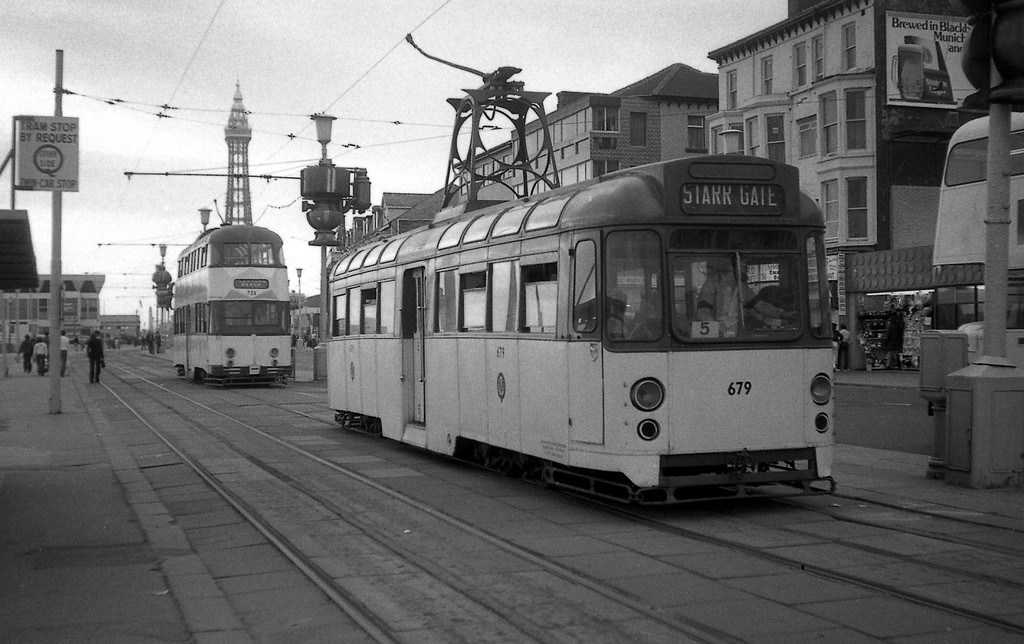
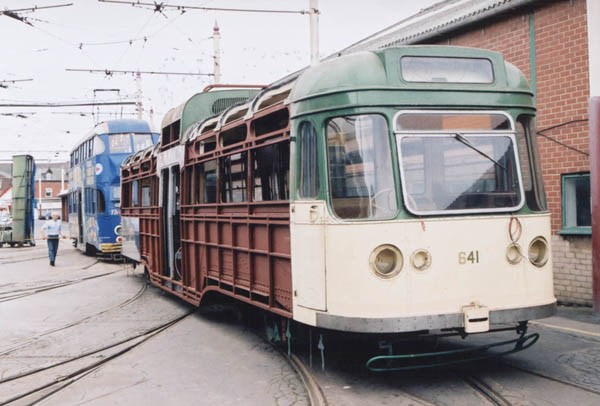
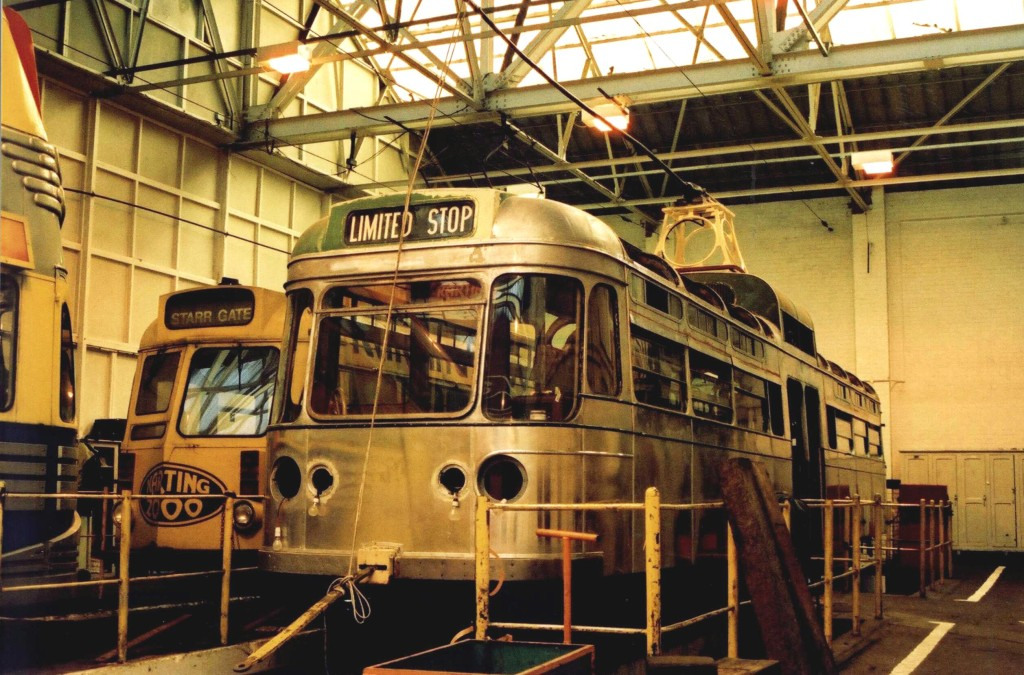
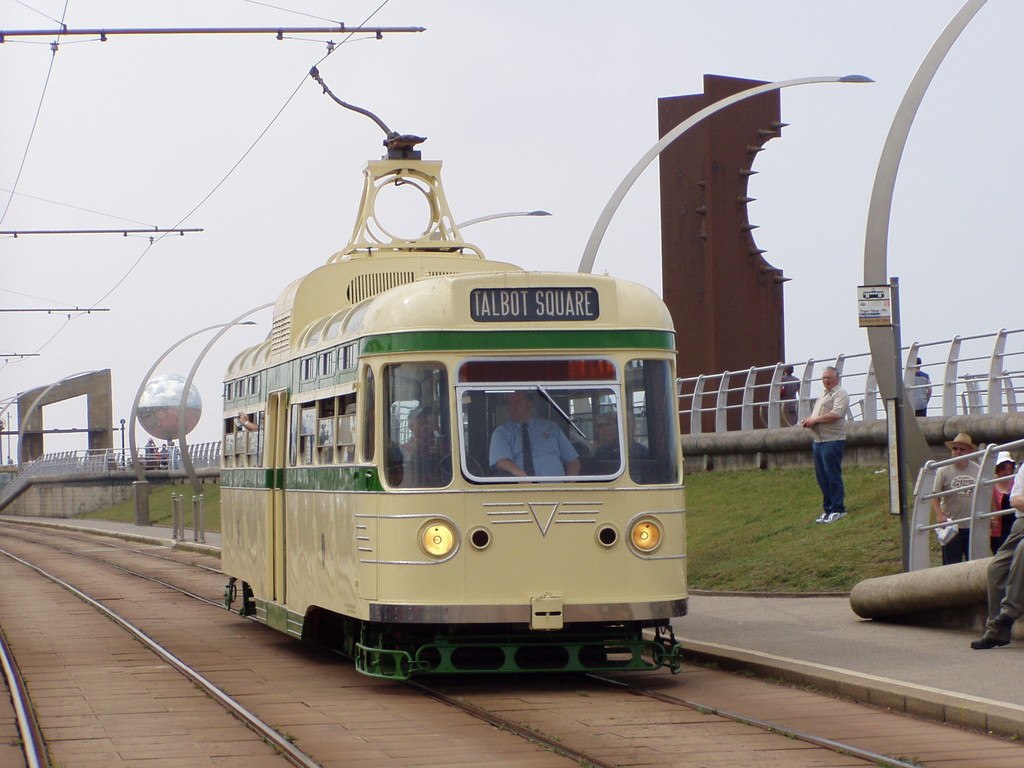
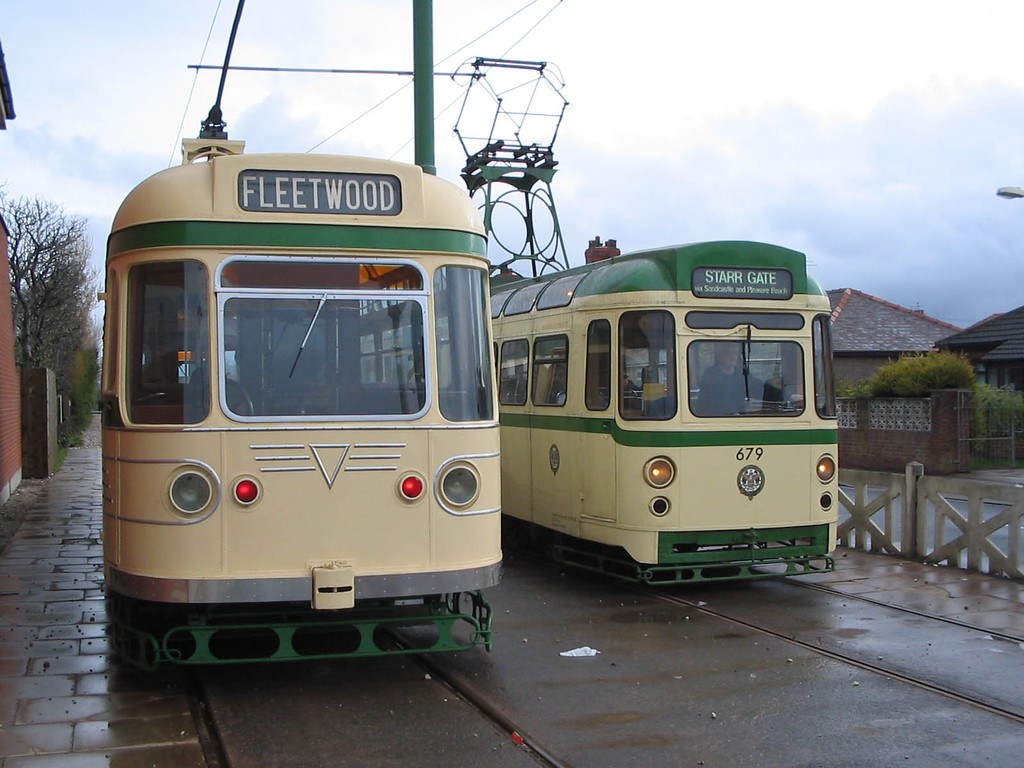
45 Railcoaches were delivered in two batches, 25 in 1933/4 (Nos.200-224) and 20 more in 1935 (264-283). Our example, No.279, formed part of the second batch and was largely confined to the main Starr Gate to Fleetwood service, though in later years the Railcoaches were used on the Marton, Squires Gate and North Station routes which were closed in the early 1960s.
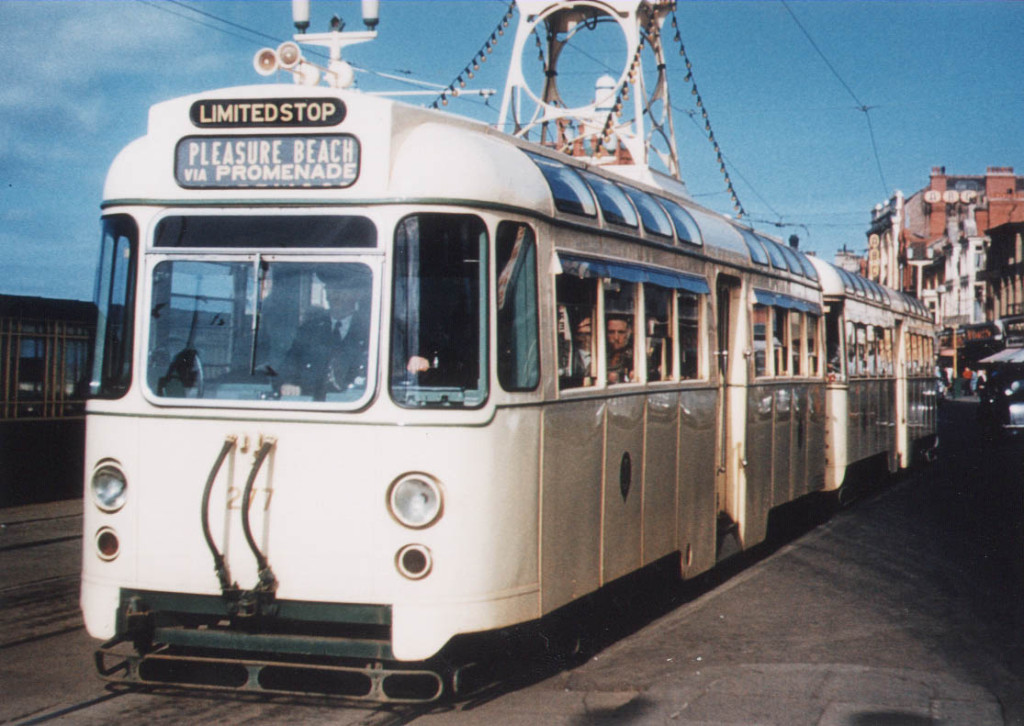
In 1958 an experiment with trailer operation resulted in ten Railcoaches being rebuilt with Coronation-car style end profiles to tow new 66-seat trailers. All were painted in all-cream livery initially and were used during the summer months as a means of increasing the number of high capacity trams.
Later seven of the trailers were permanently coupled to their towing cars but three (including 279 - now renumbered 679) were never converted and from 1972 they operated without their trailers.
22 Railcoaches were scrapped in the 1960s (or converted for other uses), 10 had become trailer towing cars and the remaining 13 were converted into one man trams in the 1970s, resulting in the original Railcoach design disappearing from the tramway.
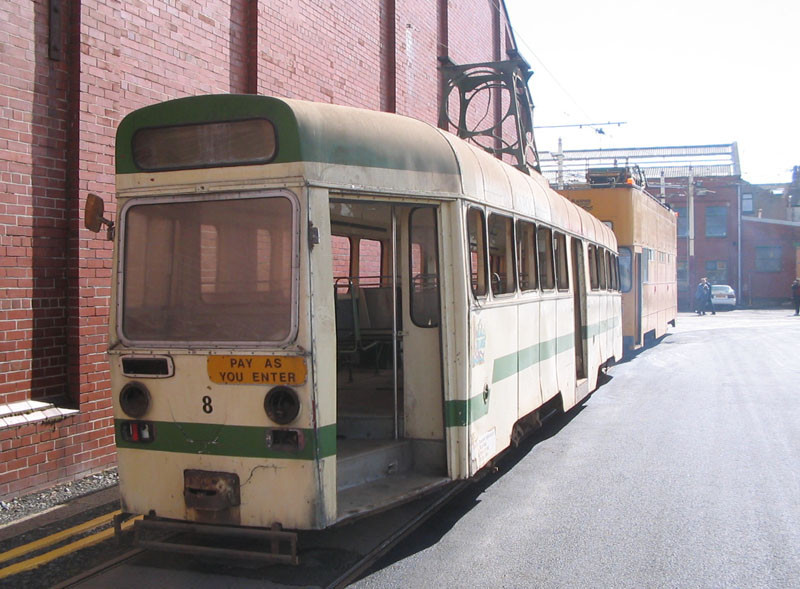
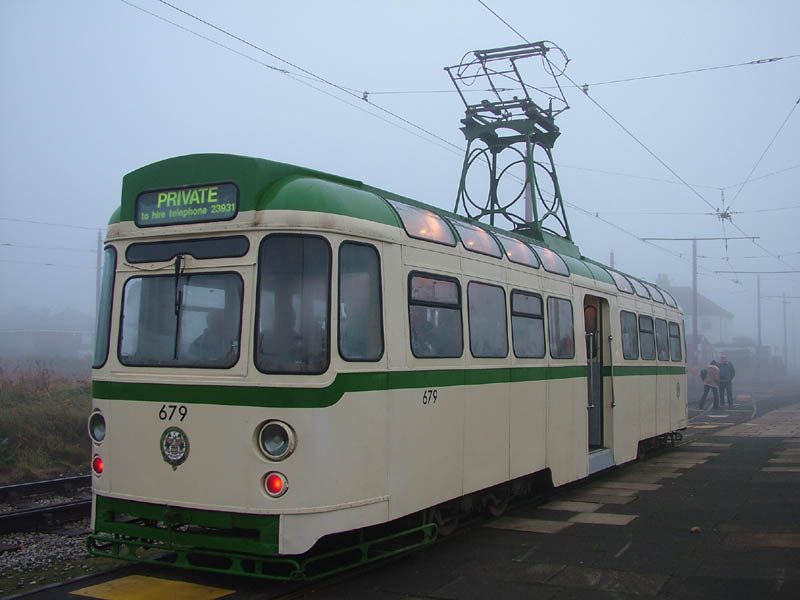
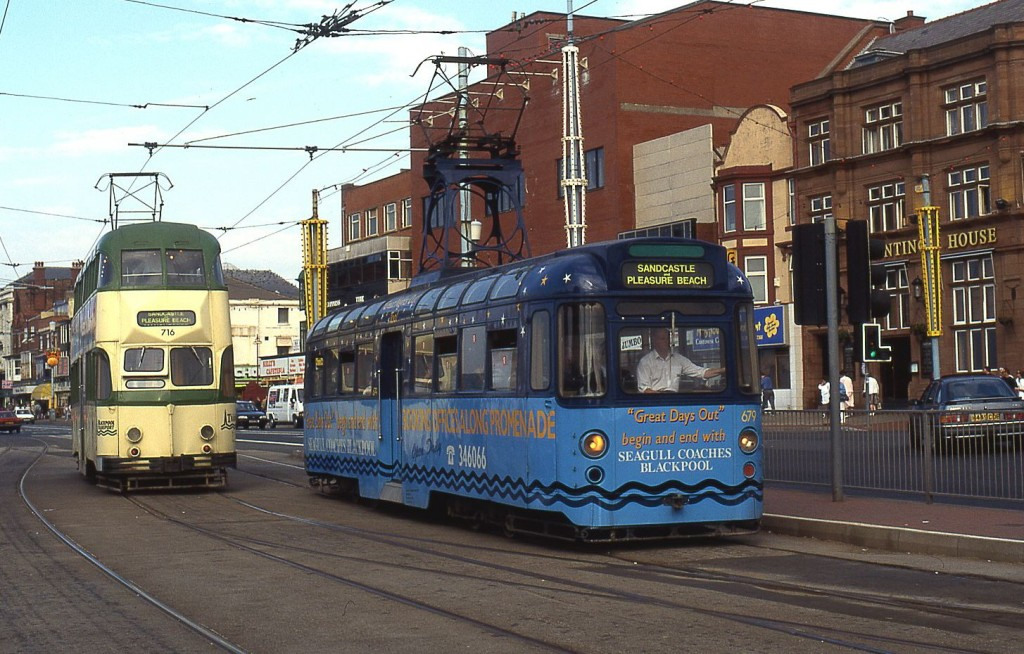
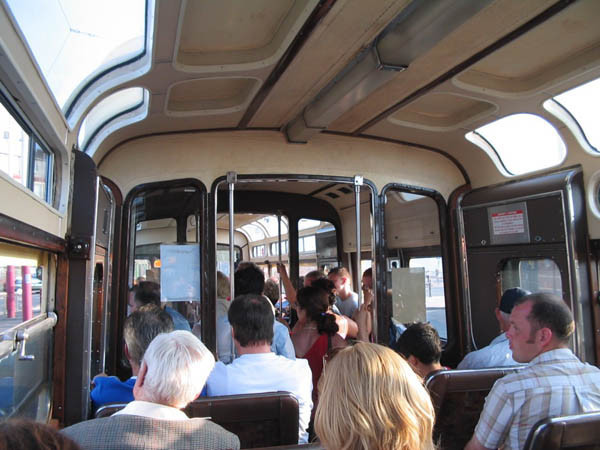
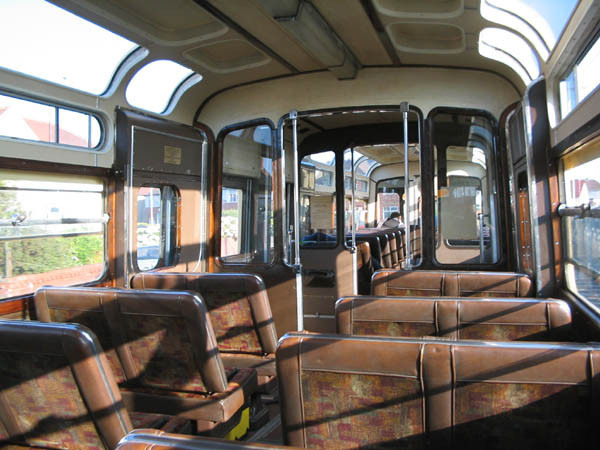
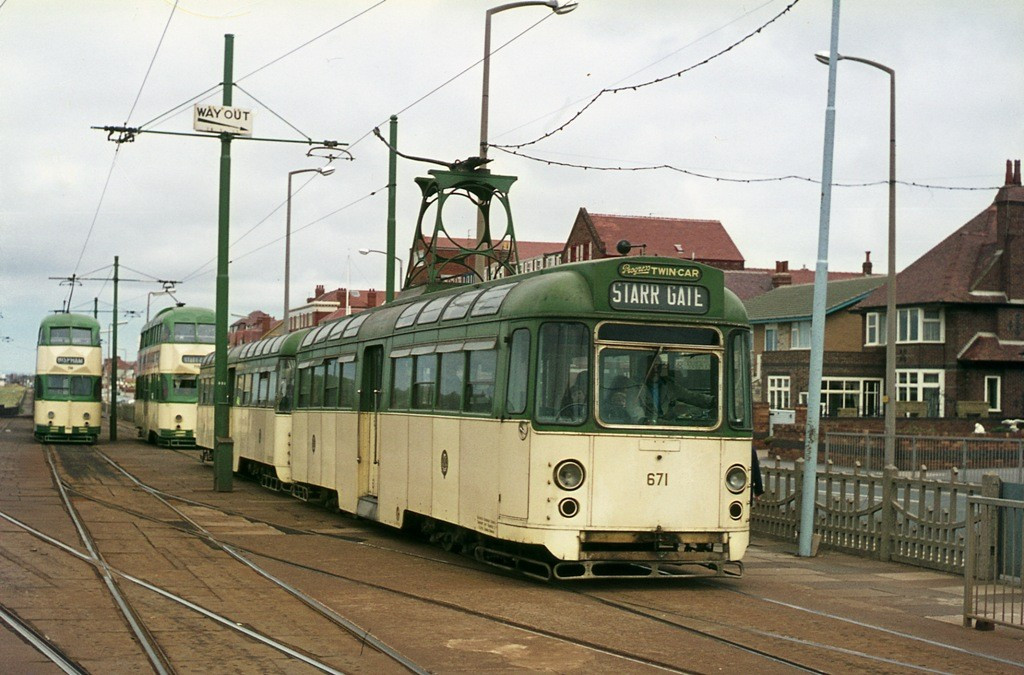
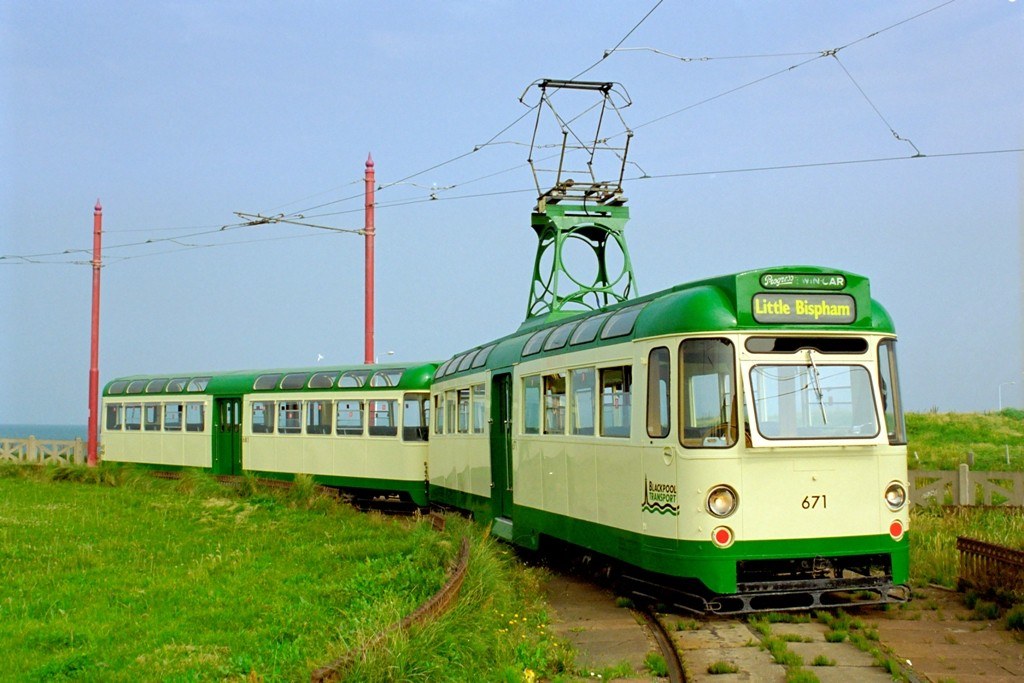
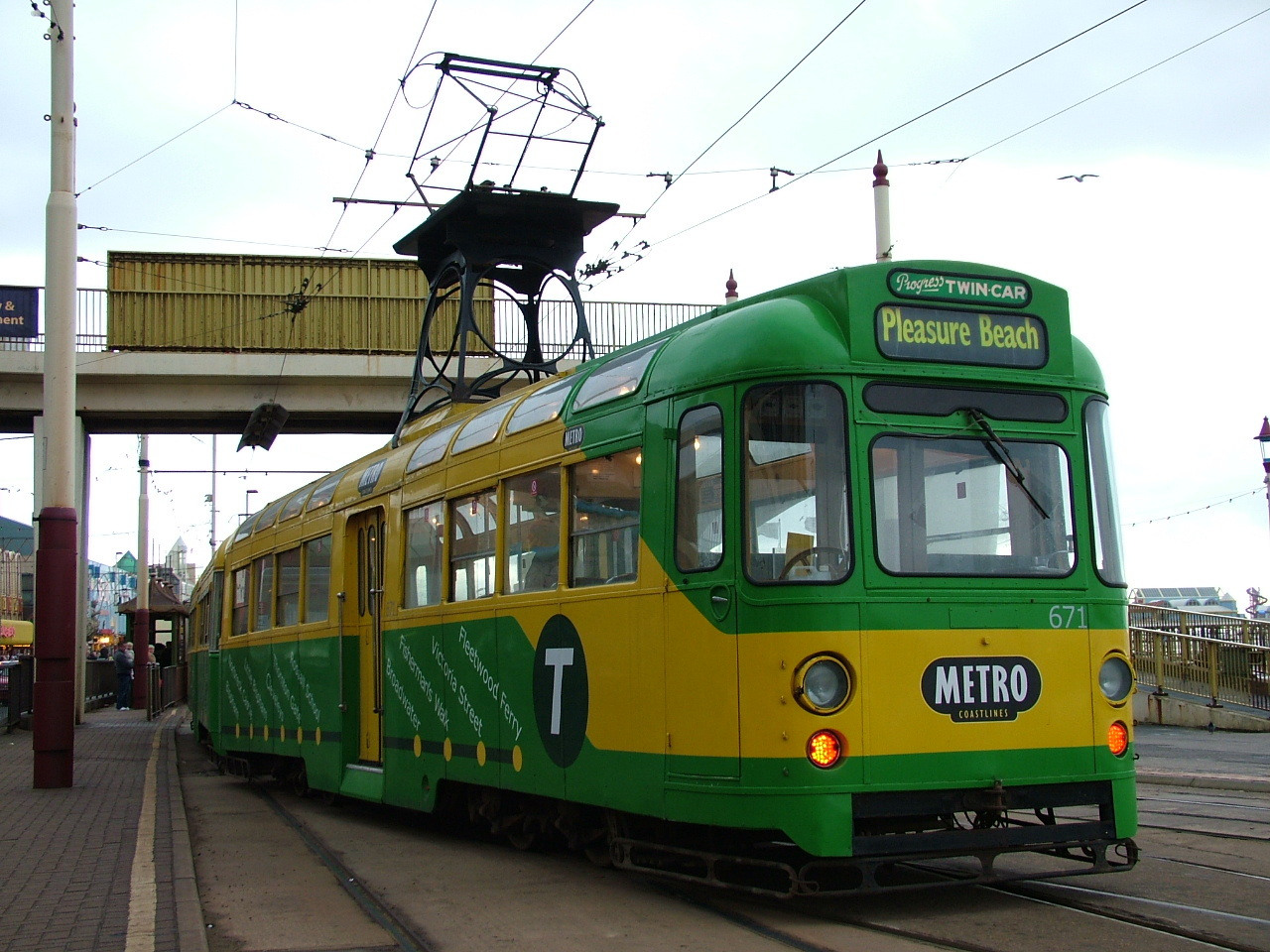
678-680 were fitted with heaters for winter use and have outlived their trailers which were scrapped. From the late 1980s, advertising liveries began appearing on the trio and in early 1990s, 679 was overhauled with rebuilt underframe and, later still, bus seating and flush mounted glazing.
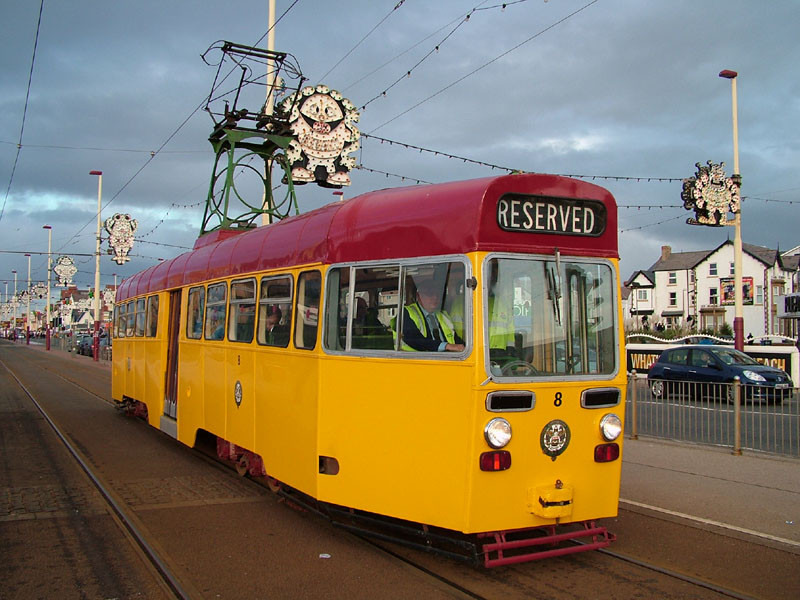
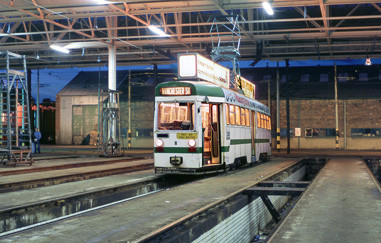
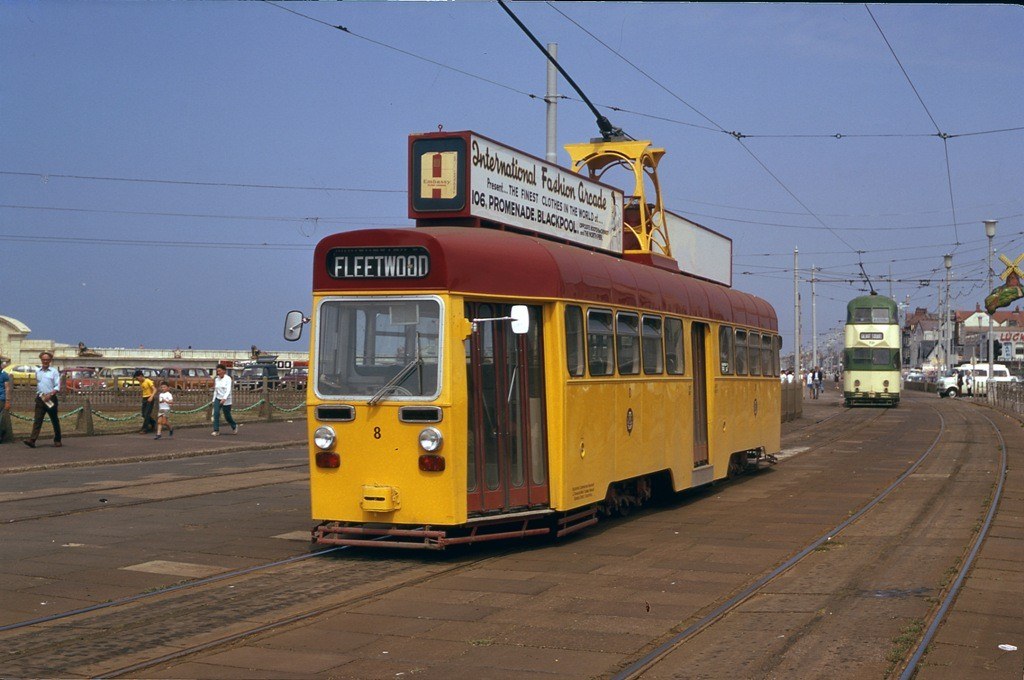
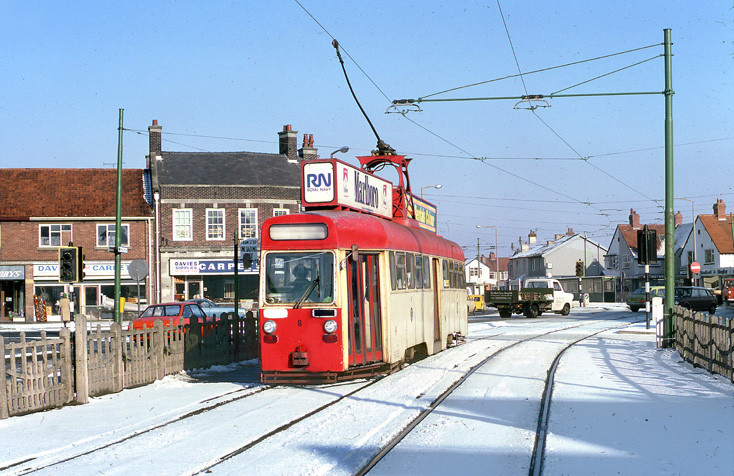
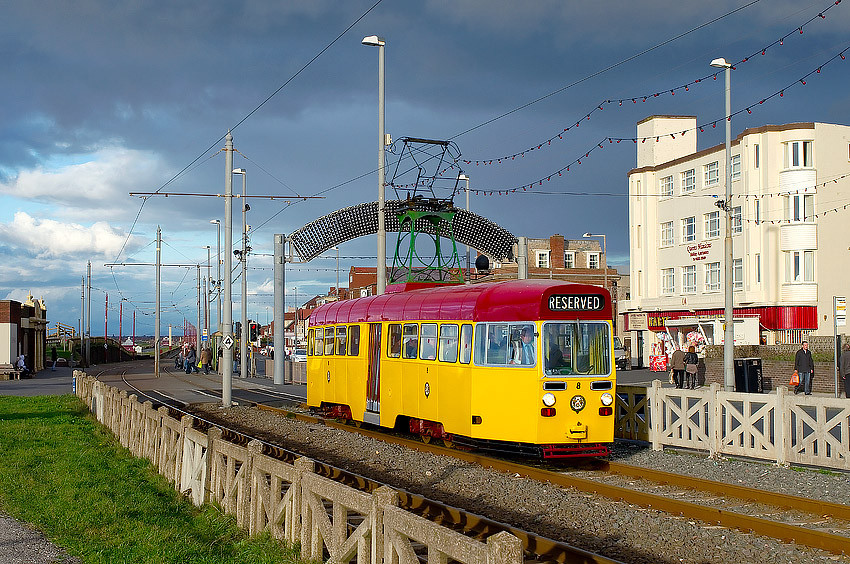
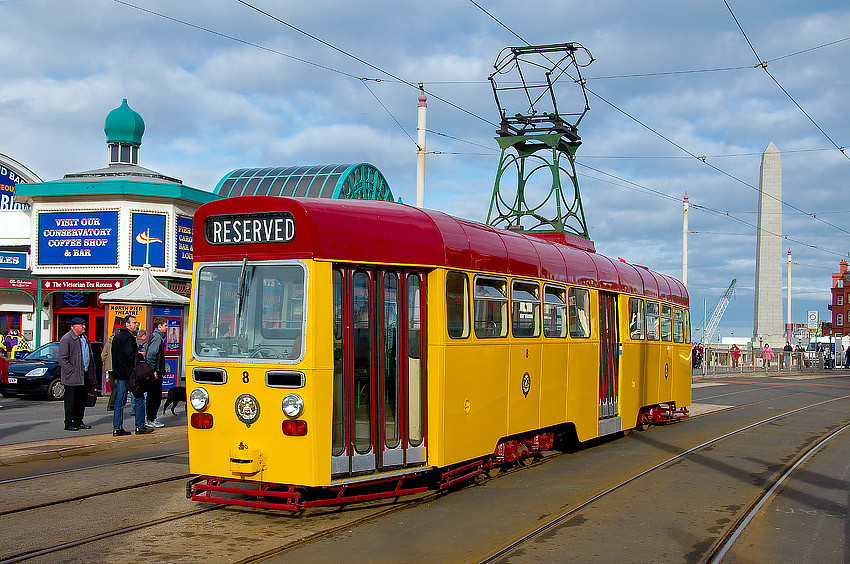
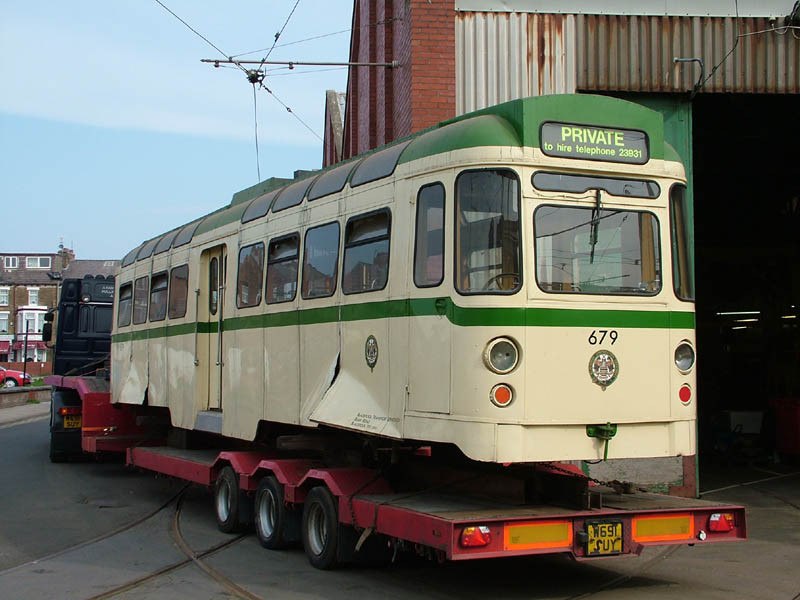
In 2004, 679 reverted to its 1980s style green and cream livery. However, despite this, the tram operated infrequently in 2004 and as part of a general reduction in the size of the operational tram fleet, 679 was withdrawn at the end of the year. In November 2008 it was acquired by the LTT for preservation.
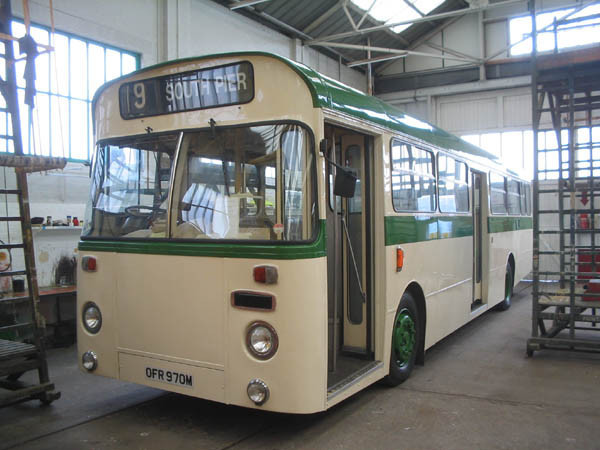
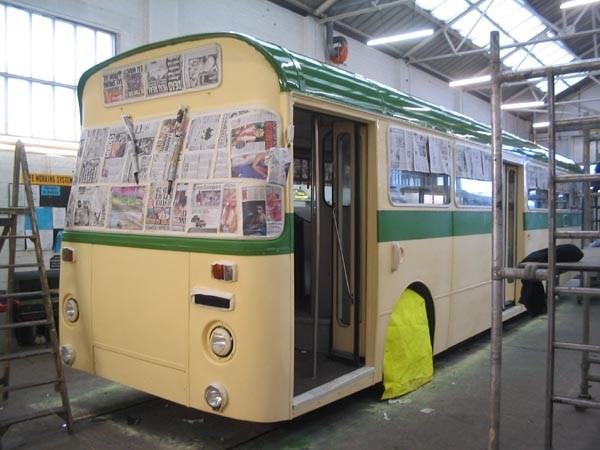
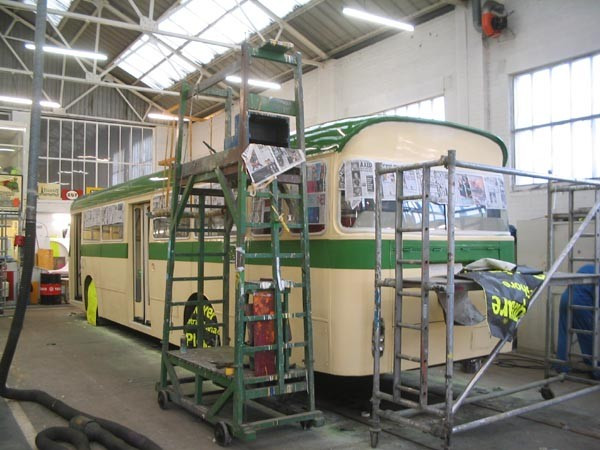
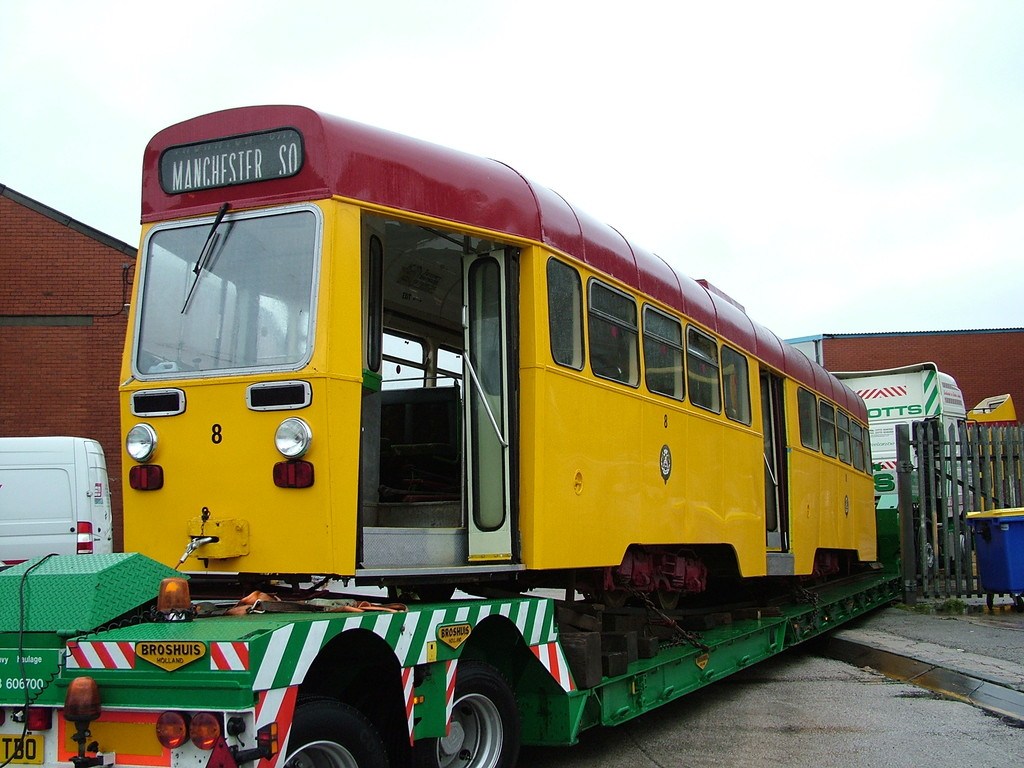
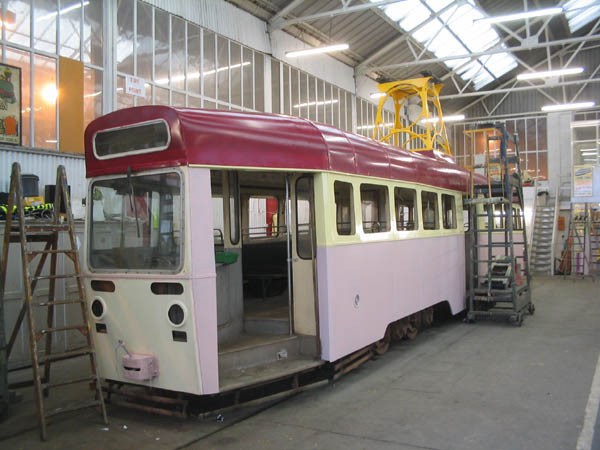
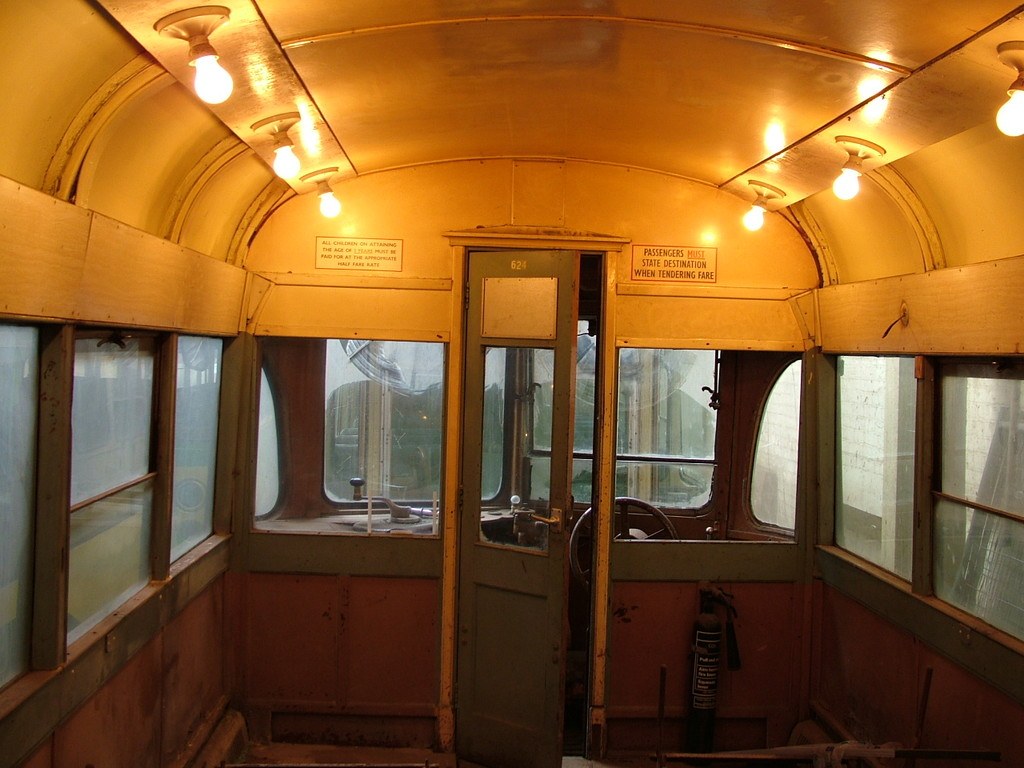
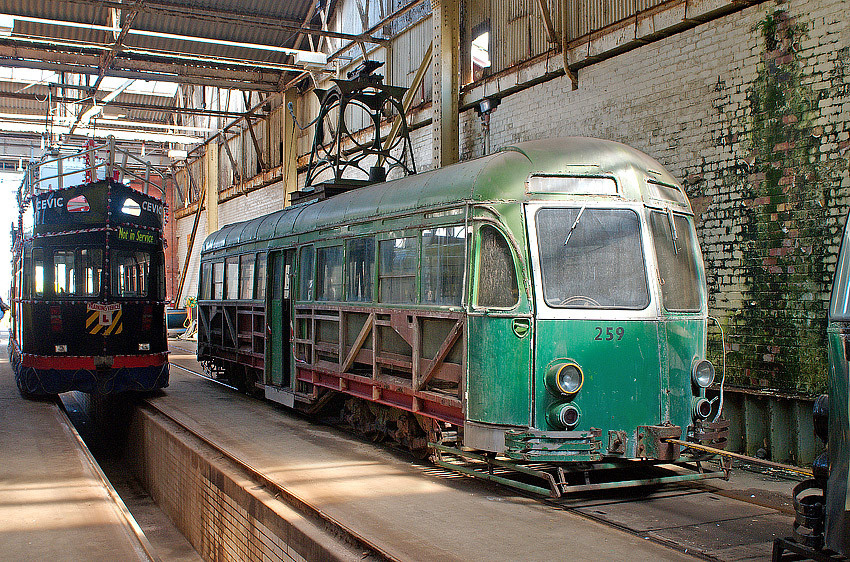
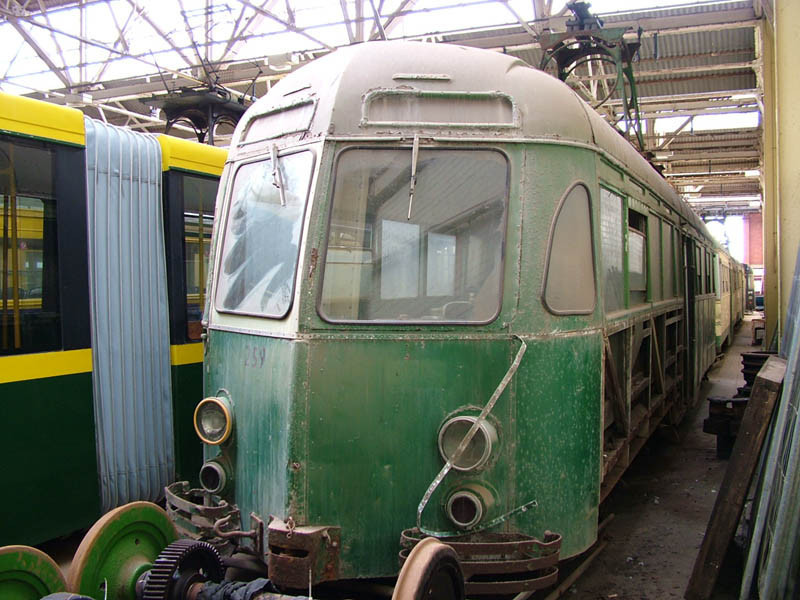
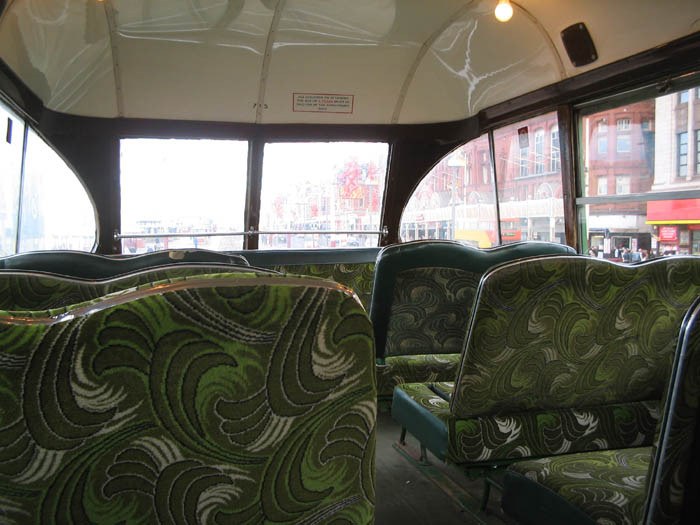
679 is being rebuilt to its original cab-end design as a streamlined Railcoach. This complex job has involved the fabrication of new cab underframes and steel cab end framework to the style of the original wooden cab framings. Swing over seats have been refitted; new half drop windows made and installed and the interior wood work stained. Task required to complete the car include modification to the wiring to suit the new cab layout; installation of new windscreens and fabrication of new domes.
After a pause in the work following the failed attempt to complete the tram in 2010, restoration work restarted in September 2018 and is progressing well, with a view to completion in 2020.
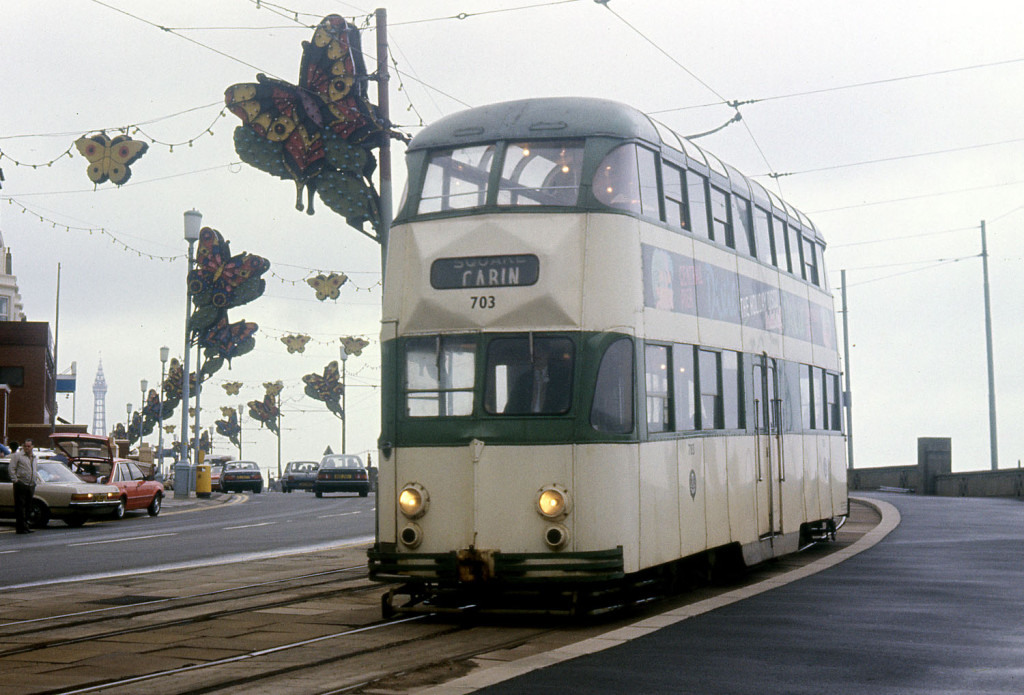
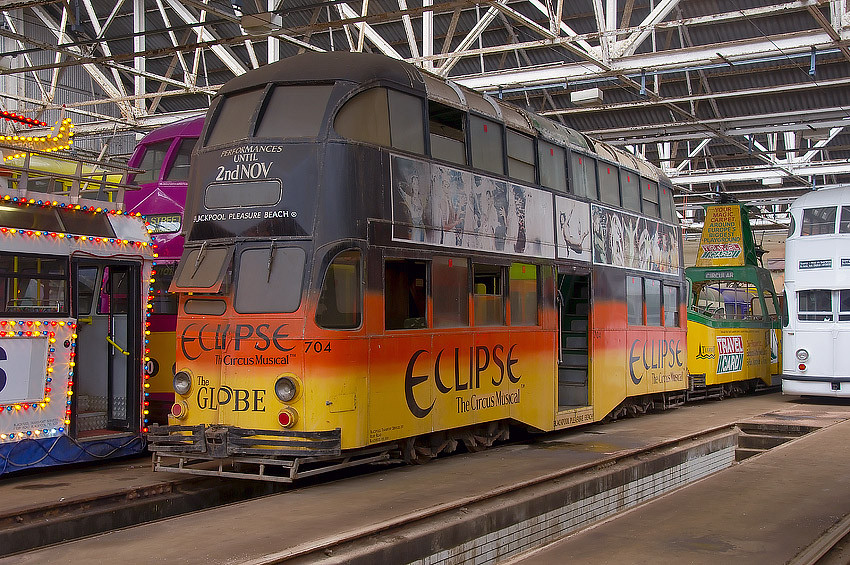
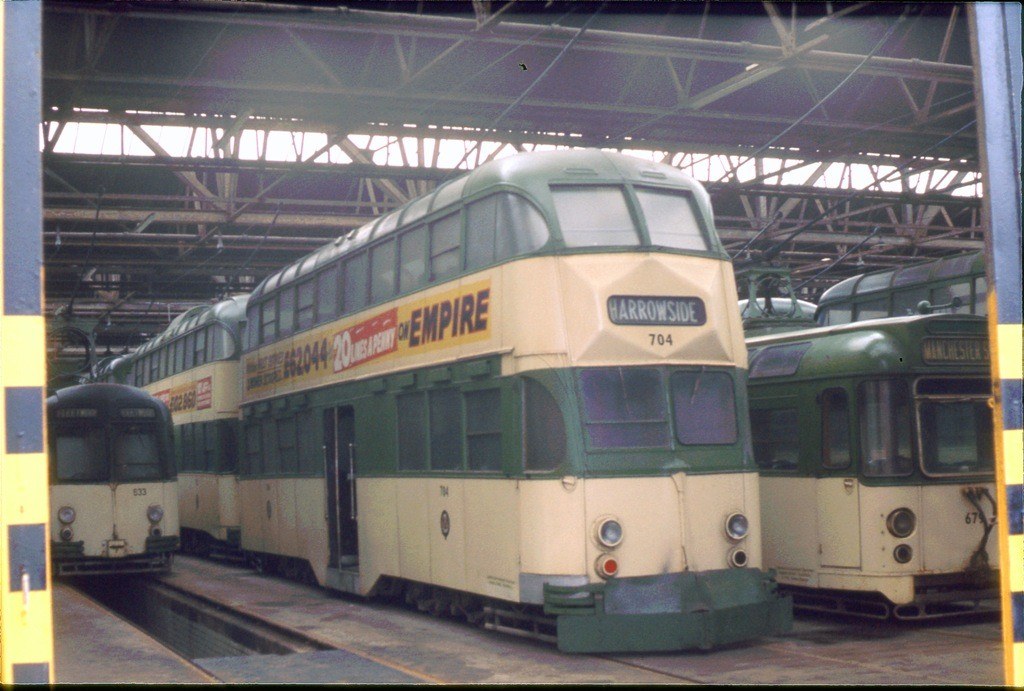
Balloon Car 703
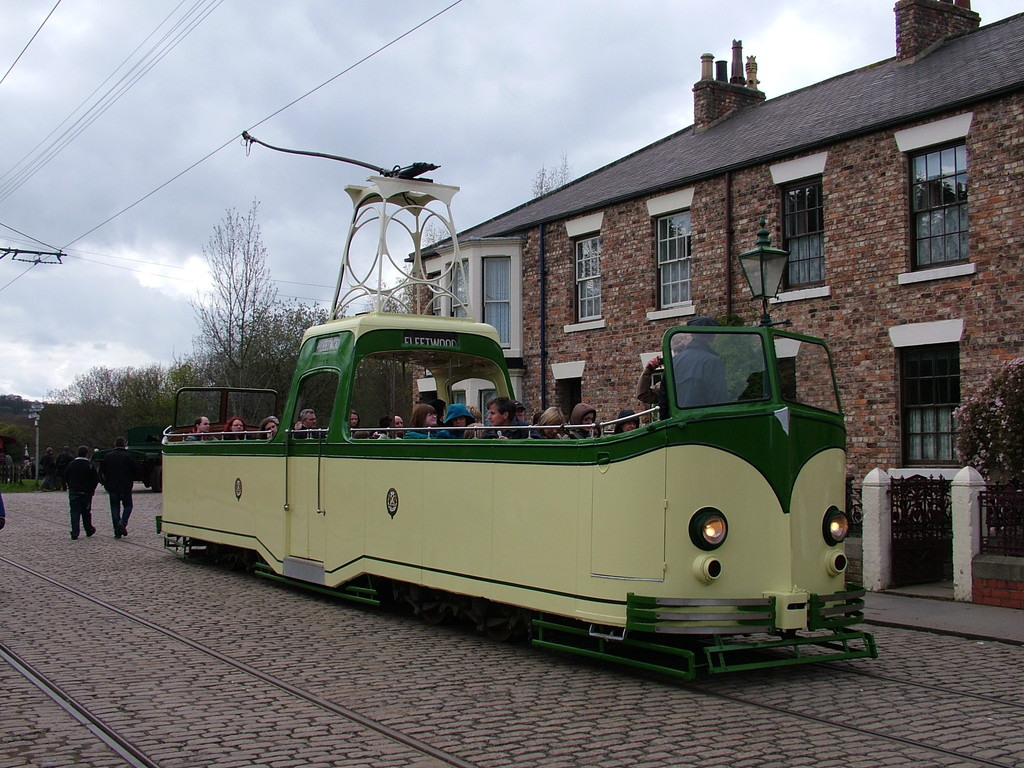
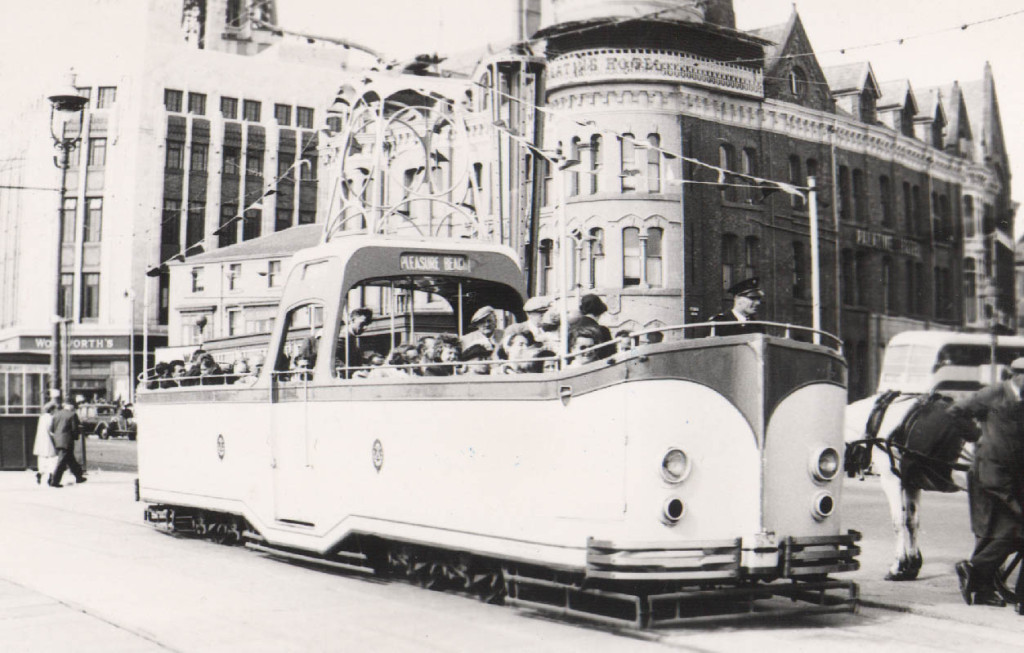
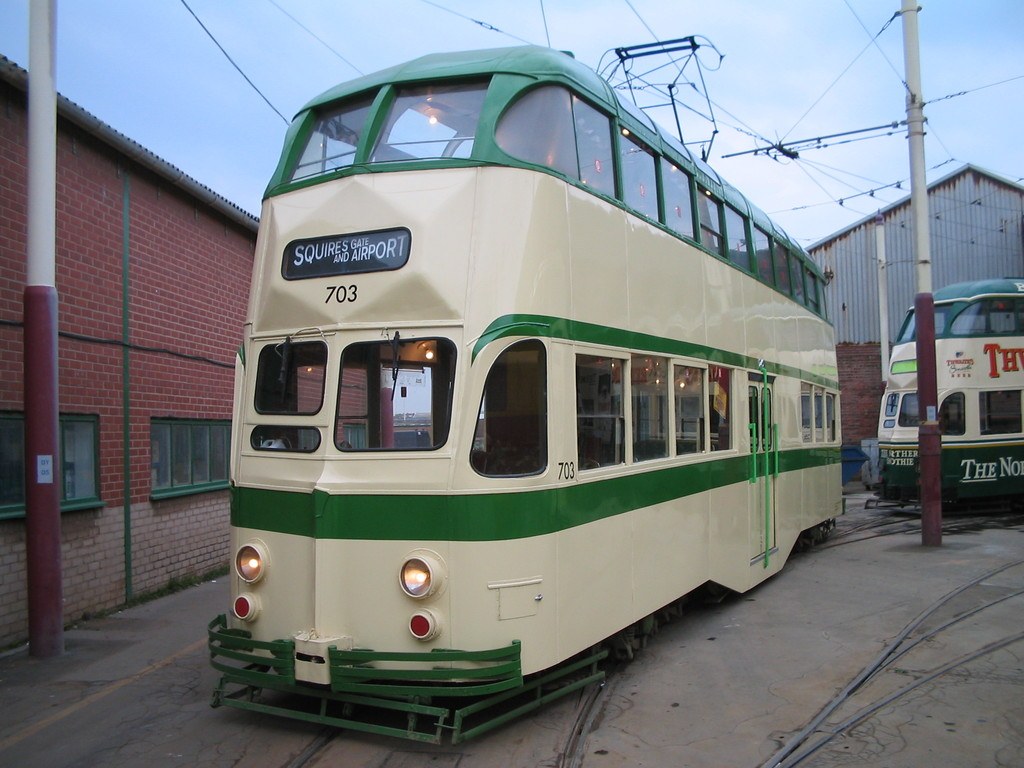
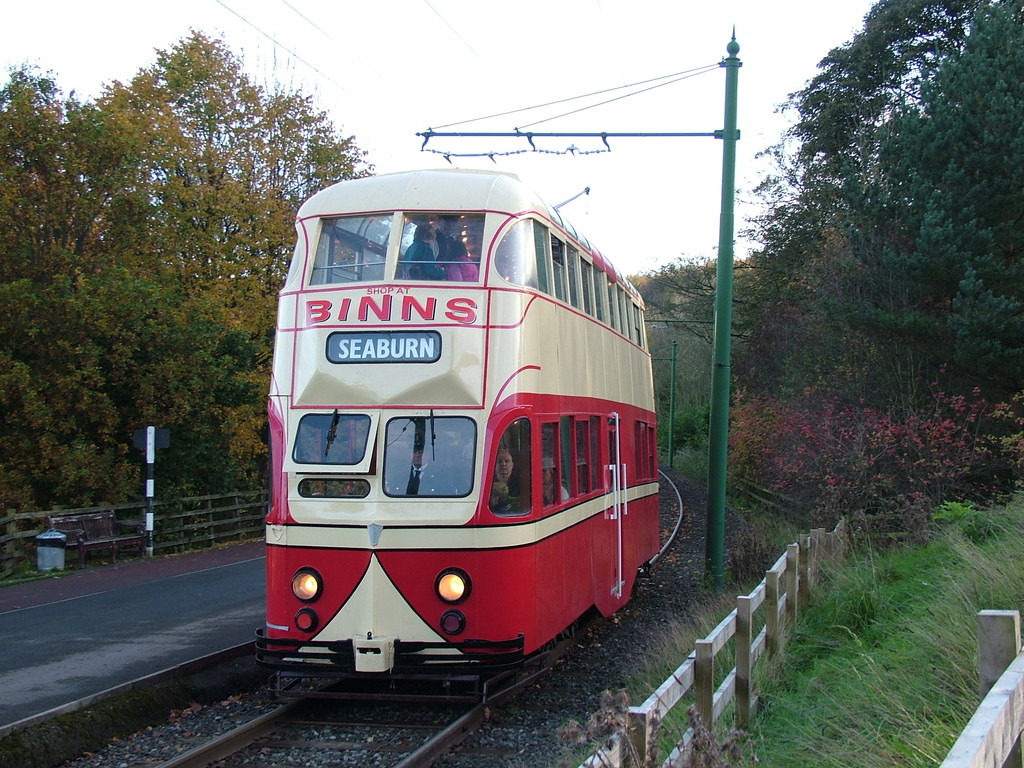
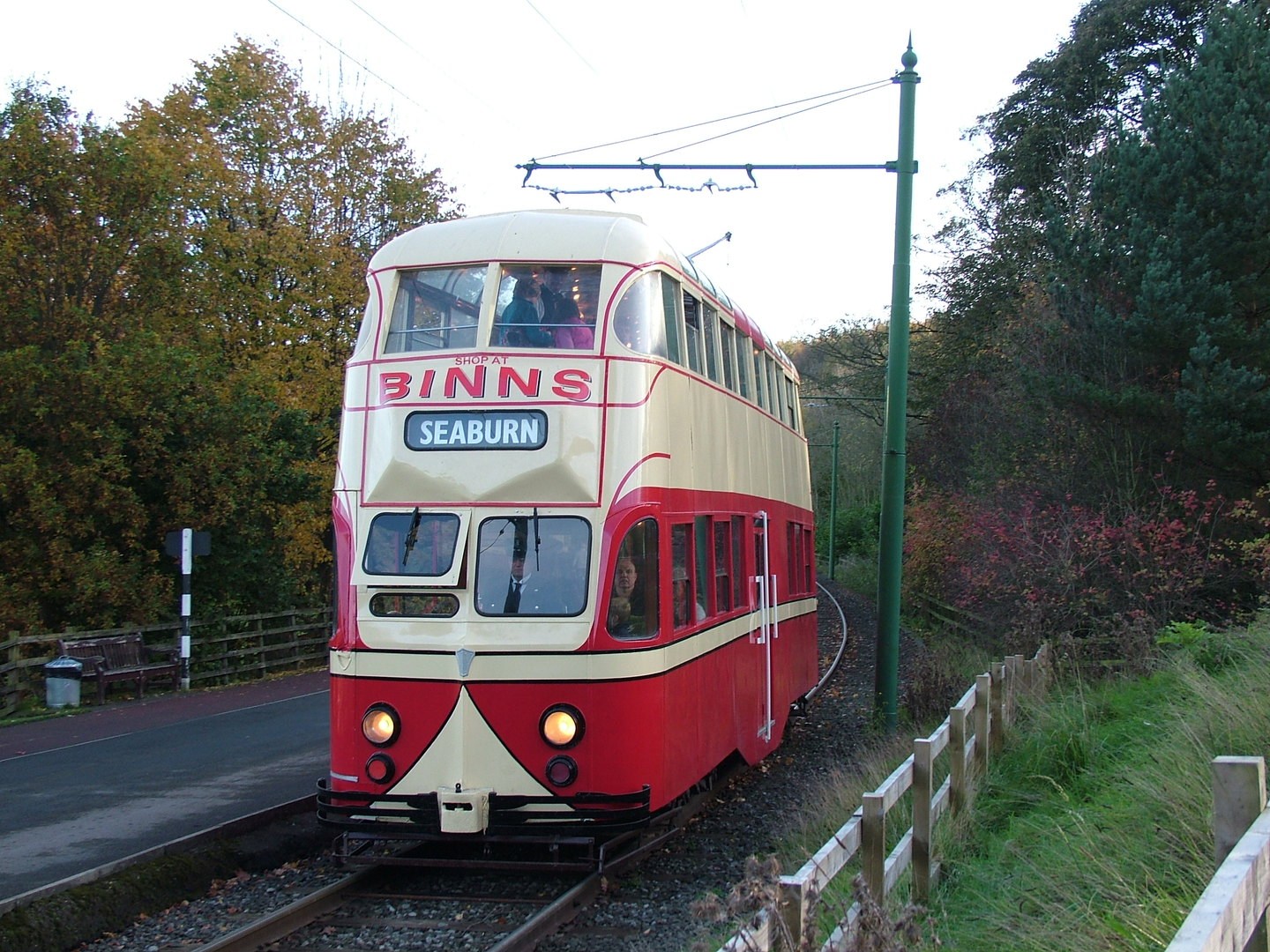
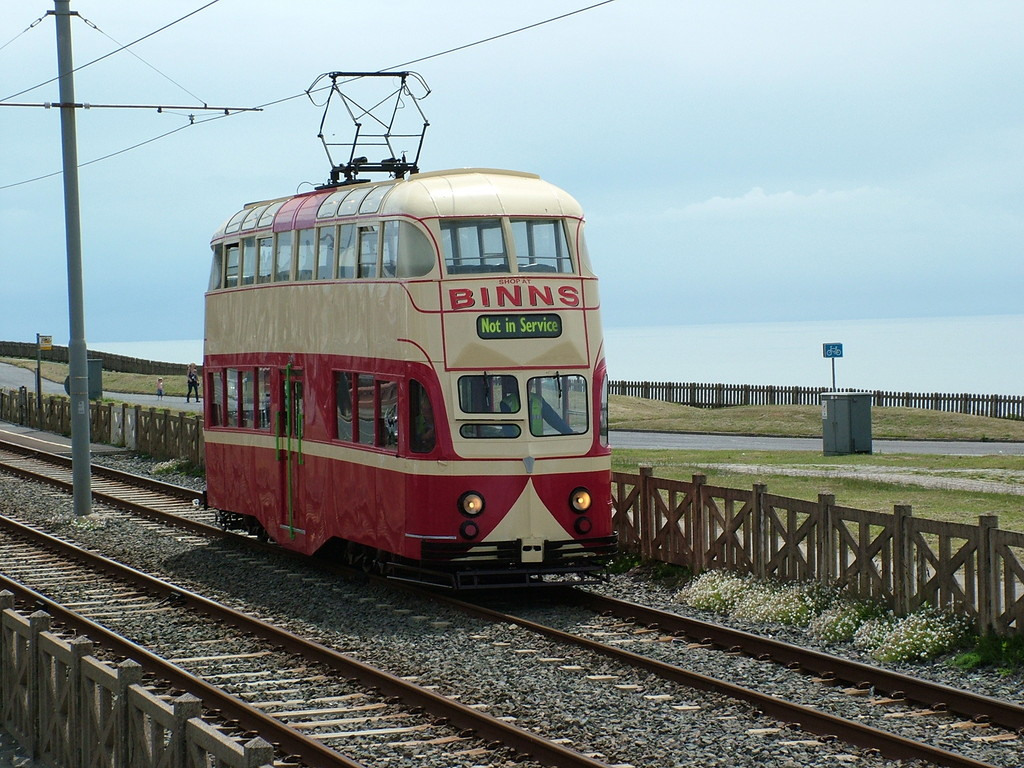
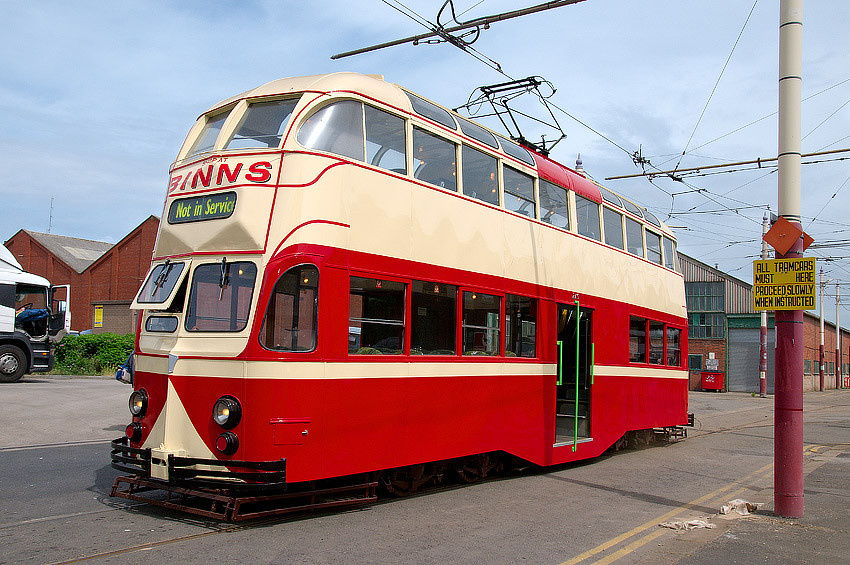
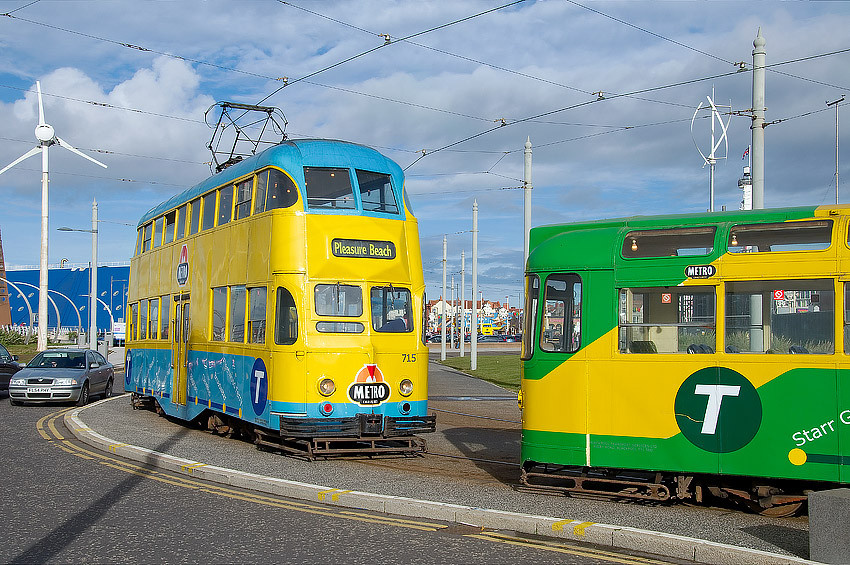
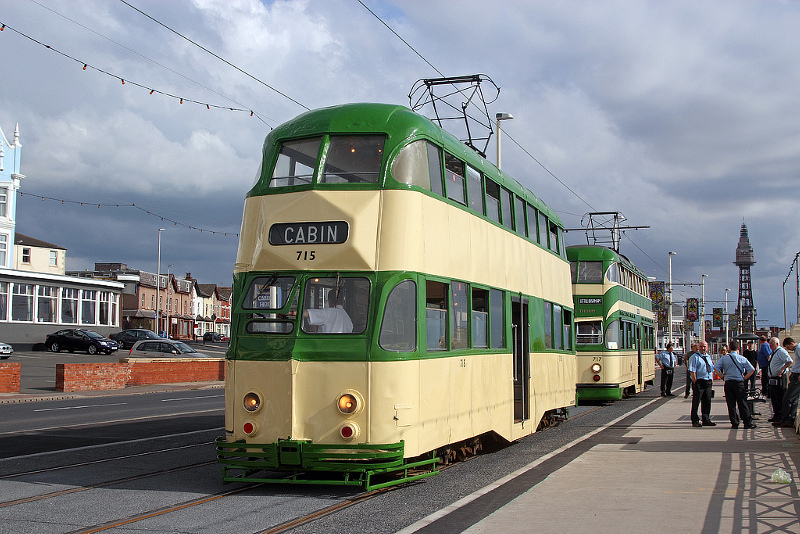
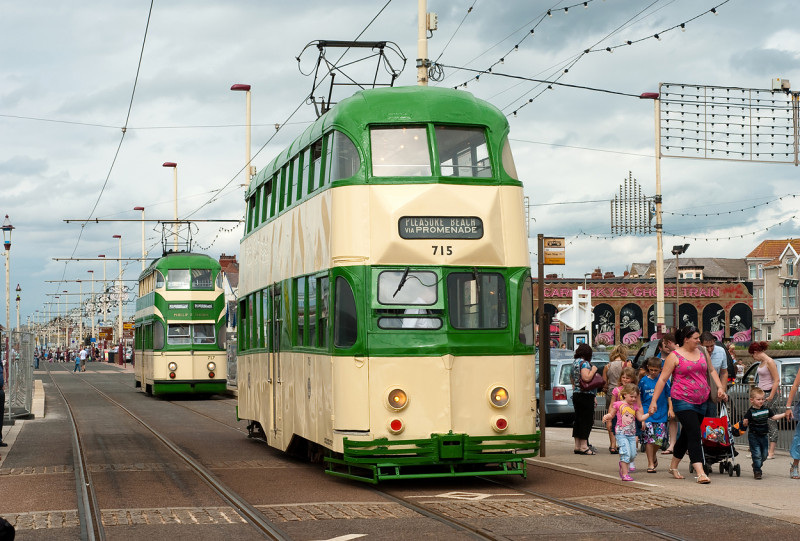
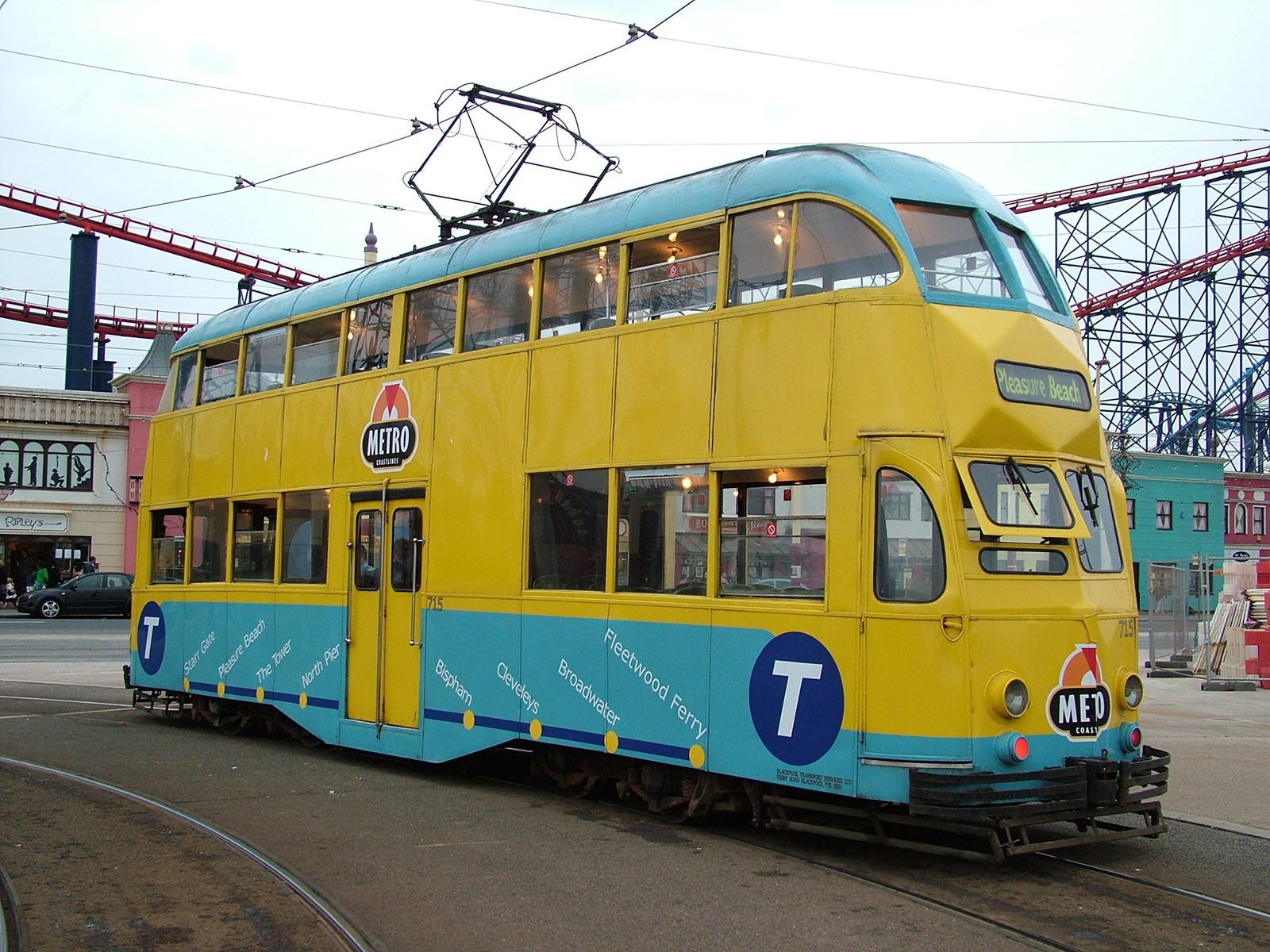
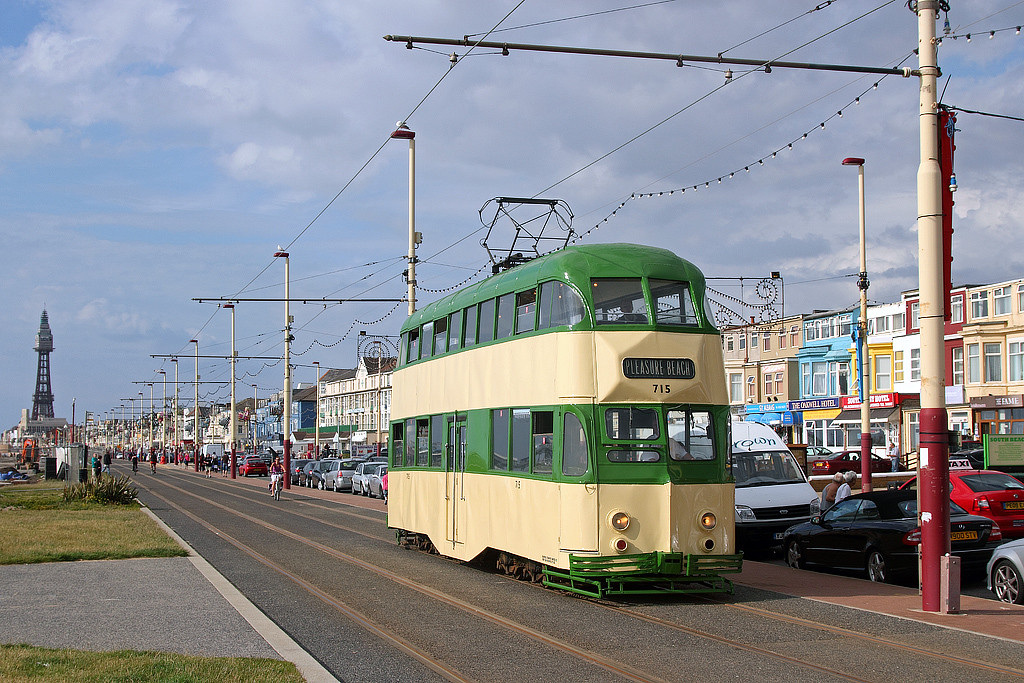
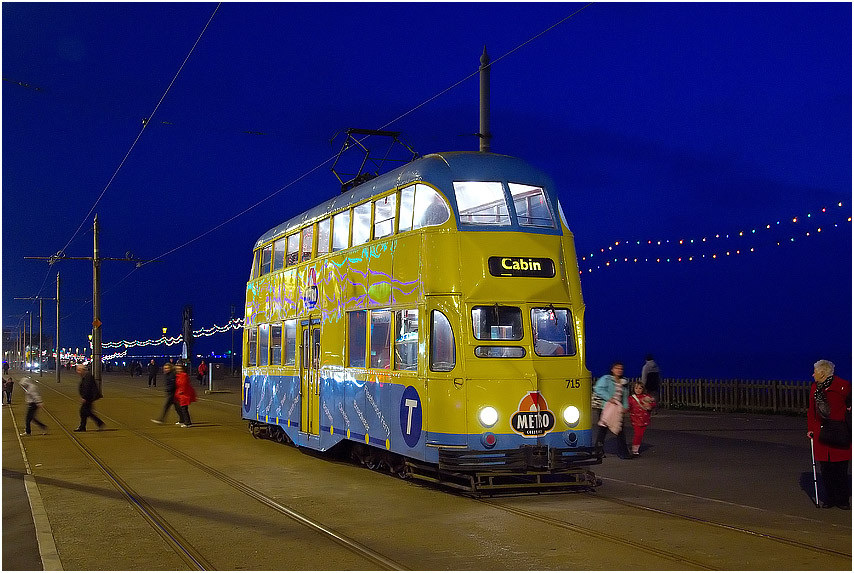
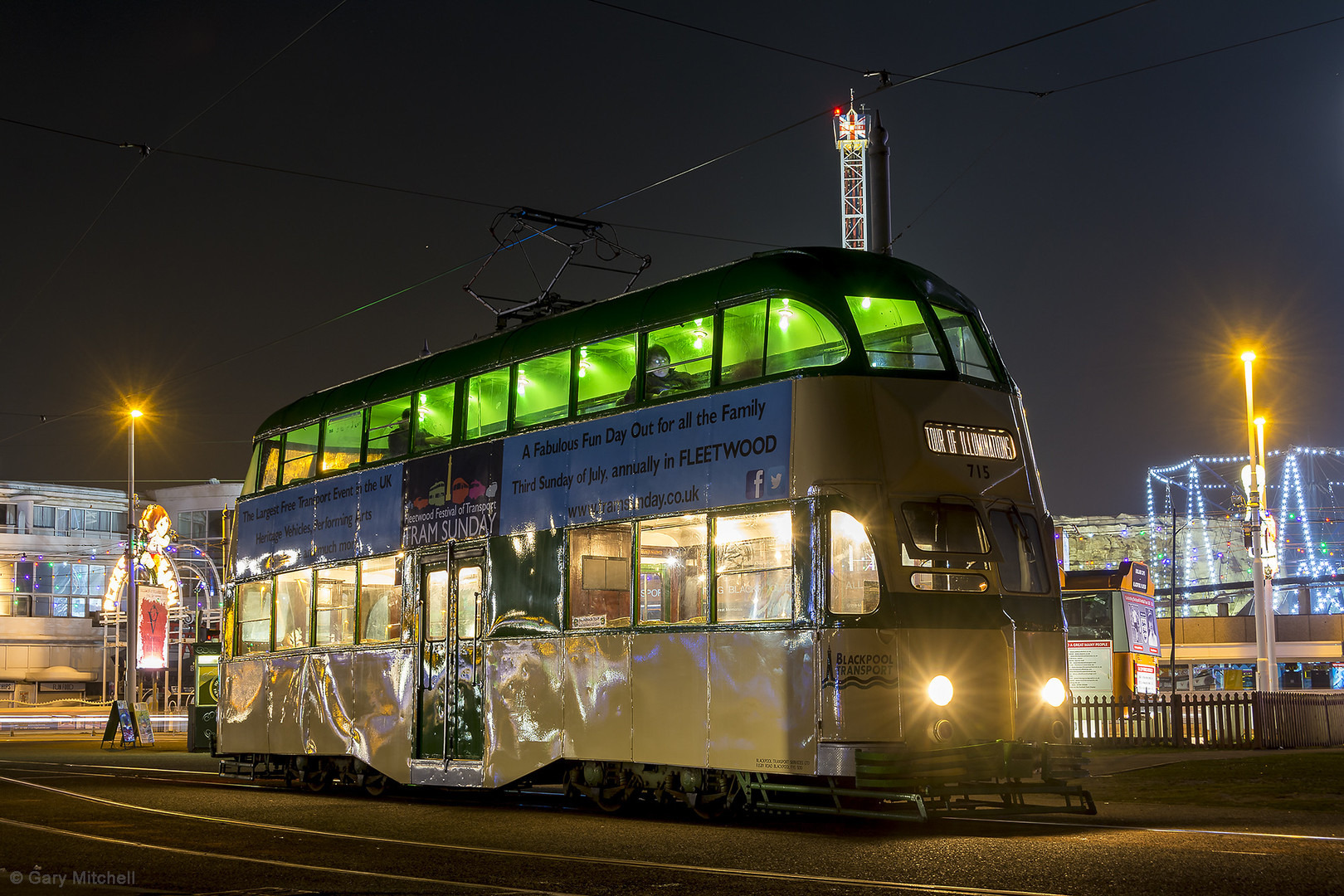
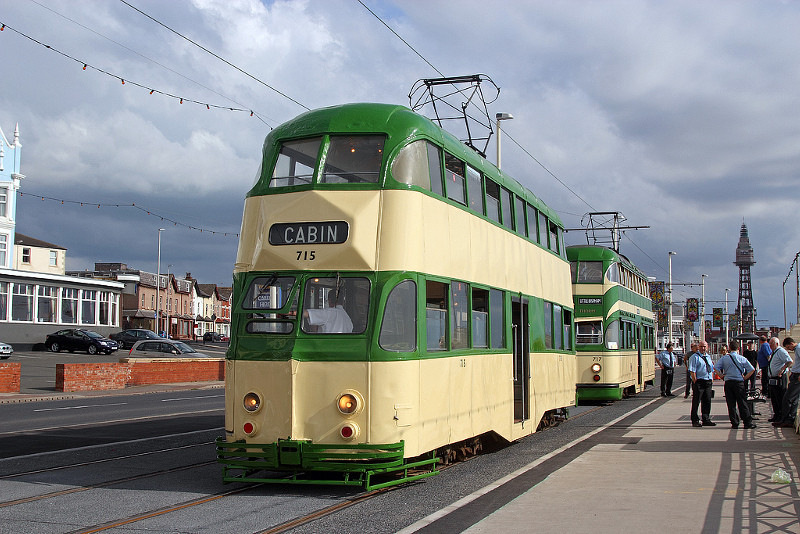
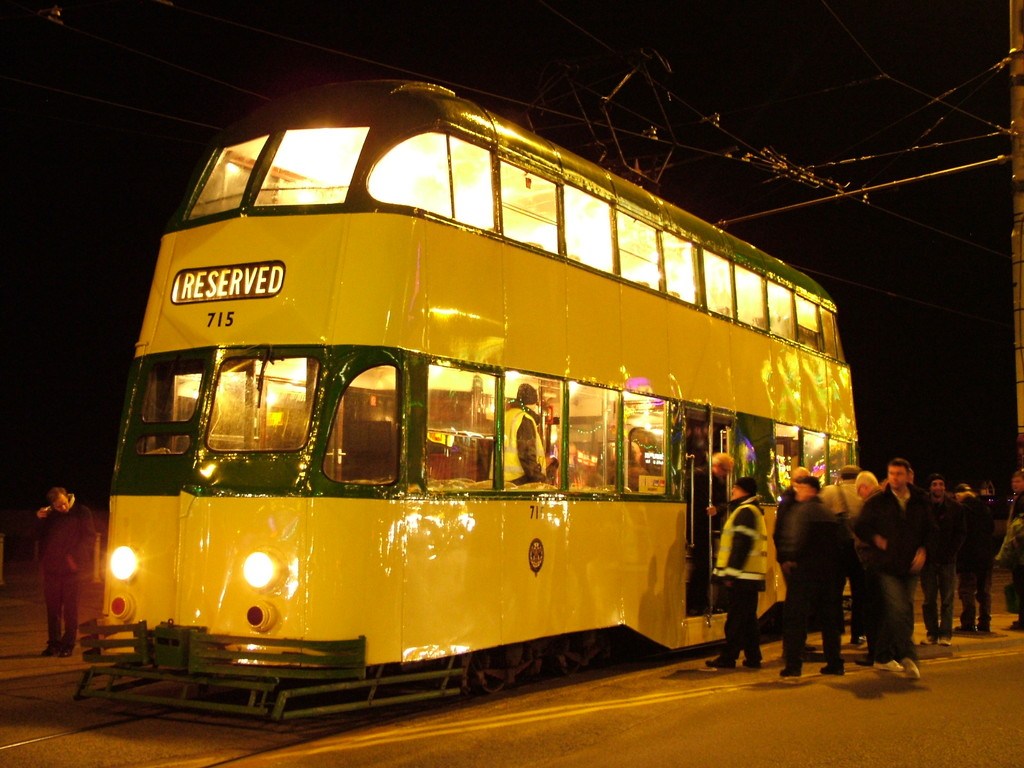
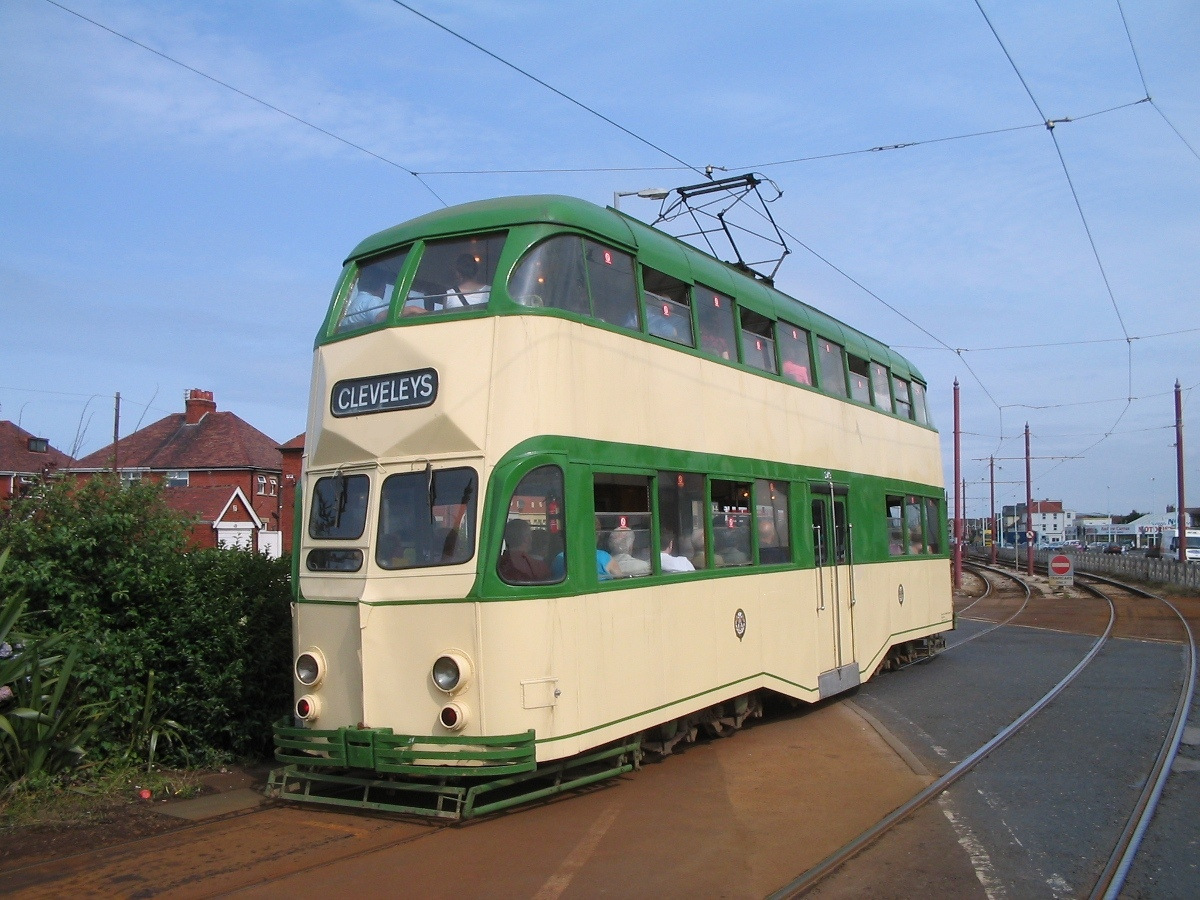
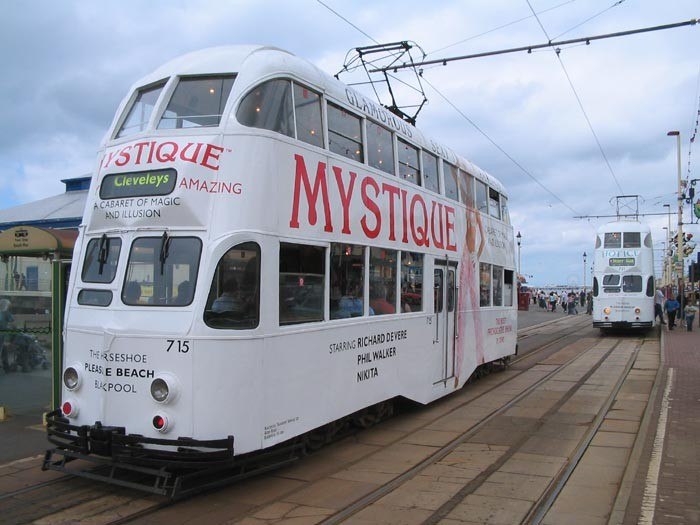
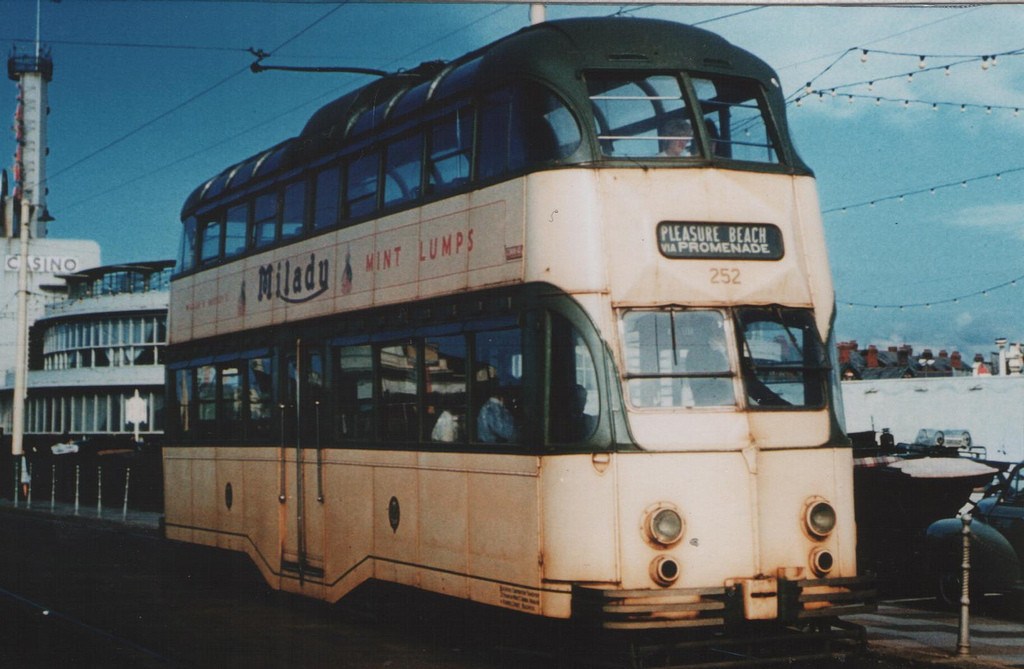
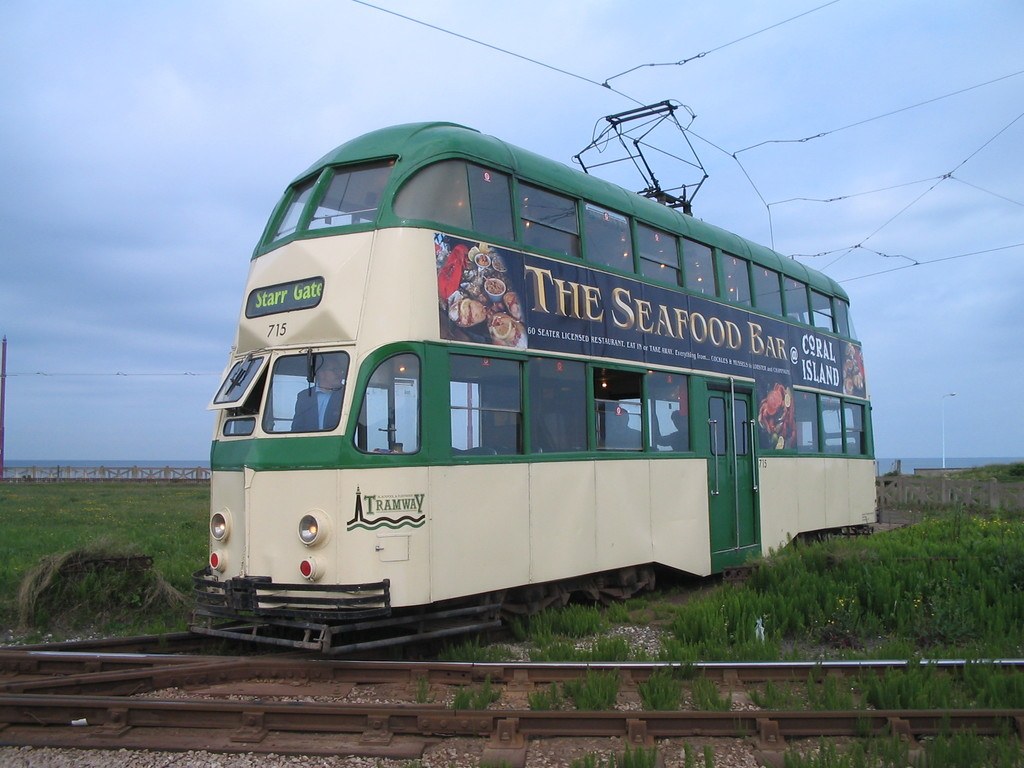
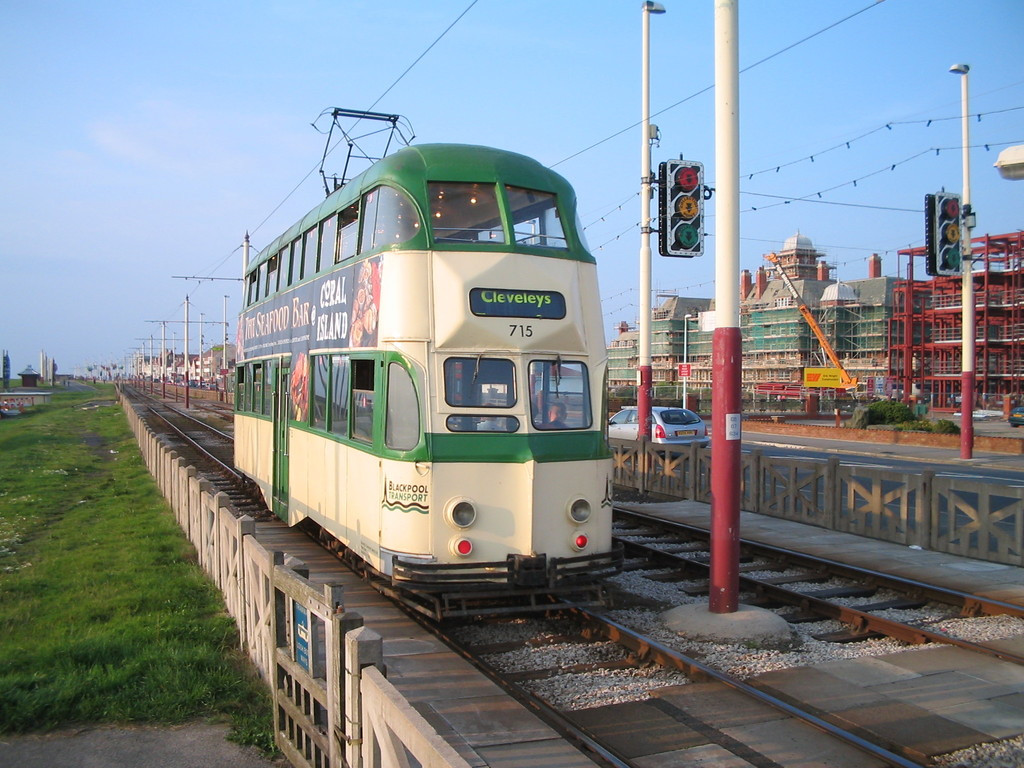
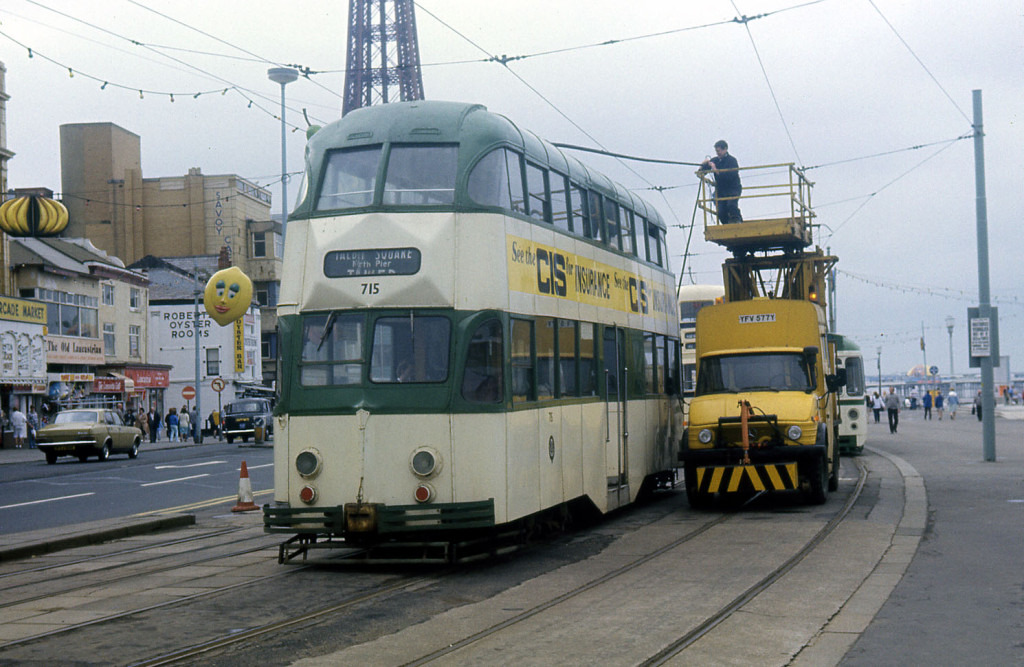
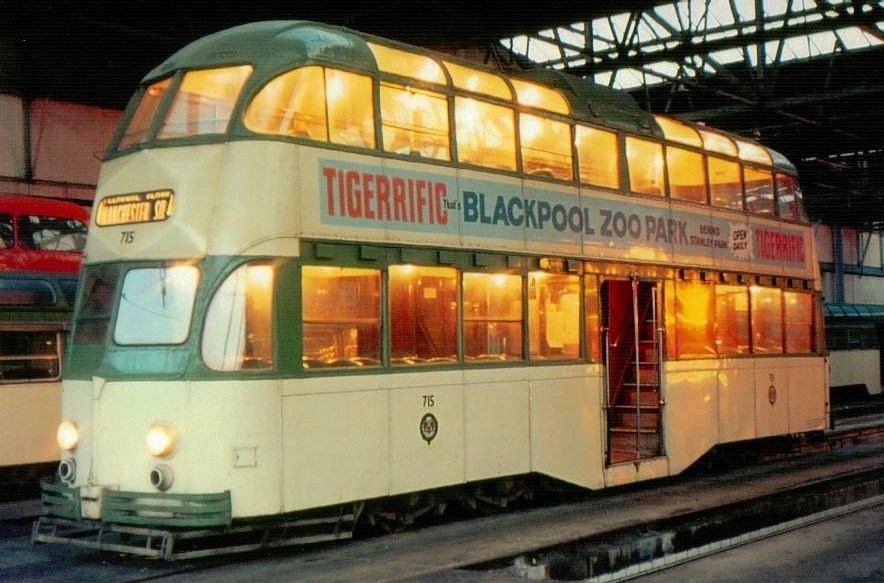
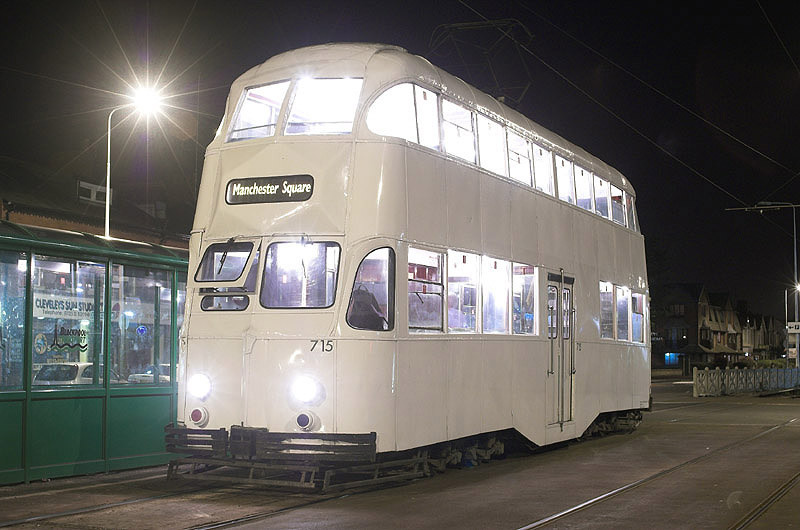
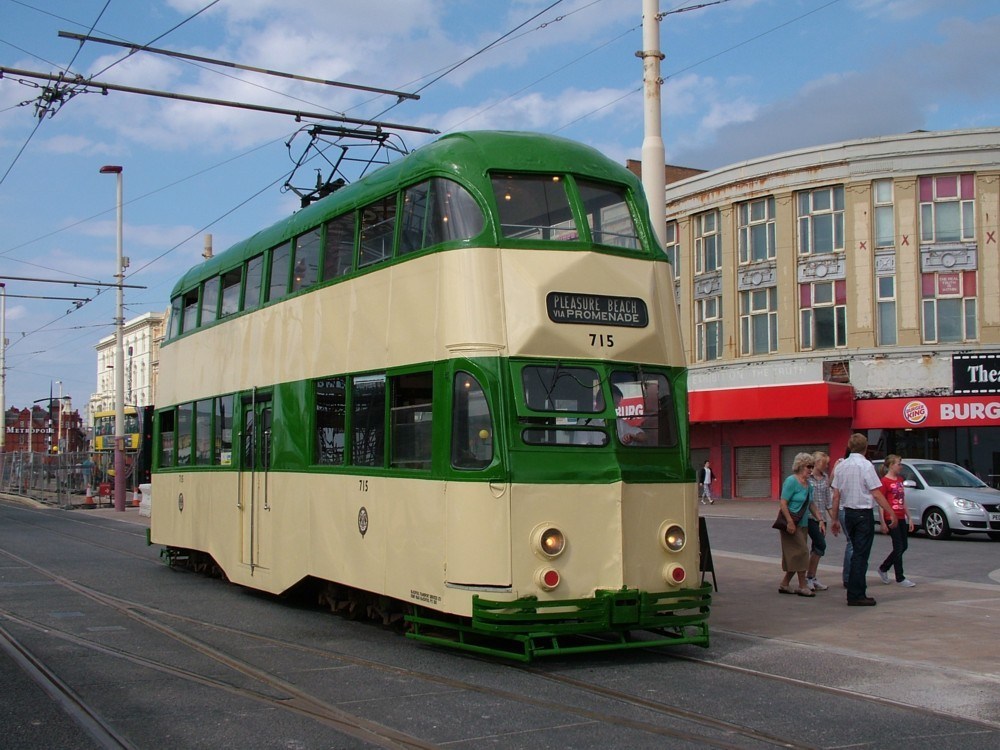
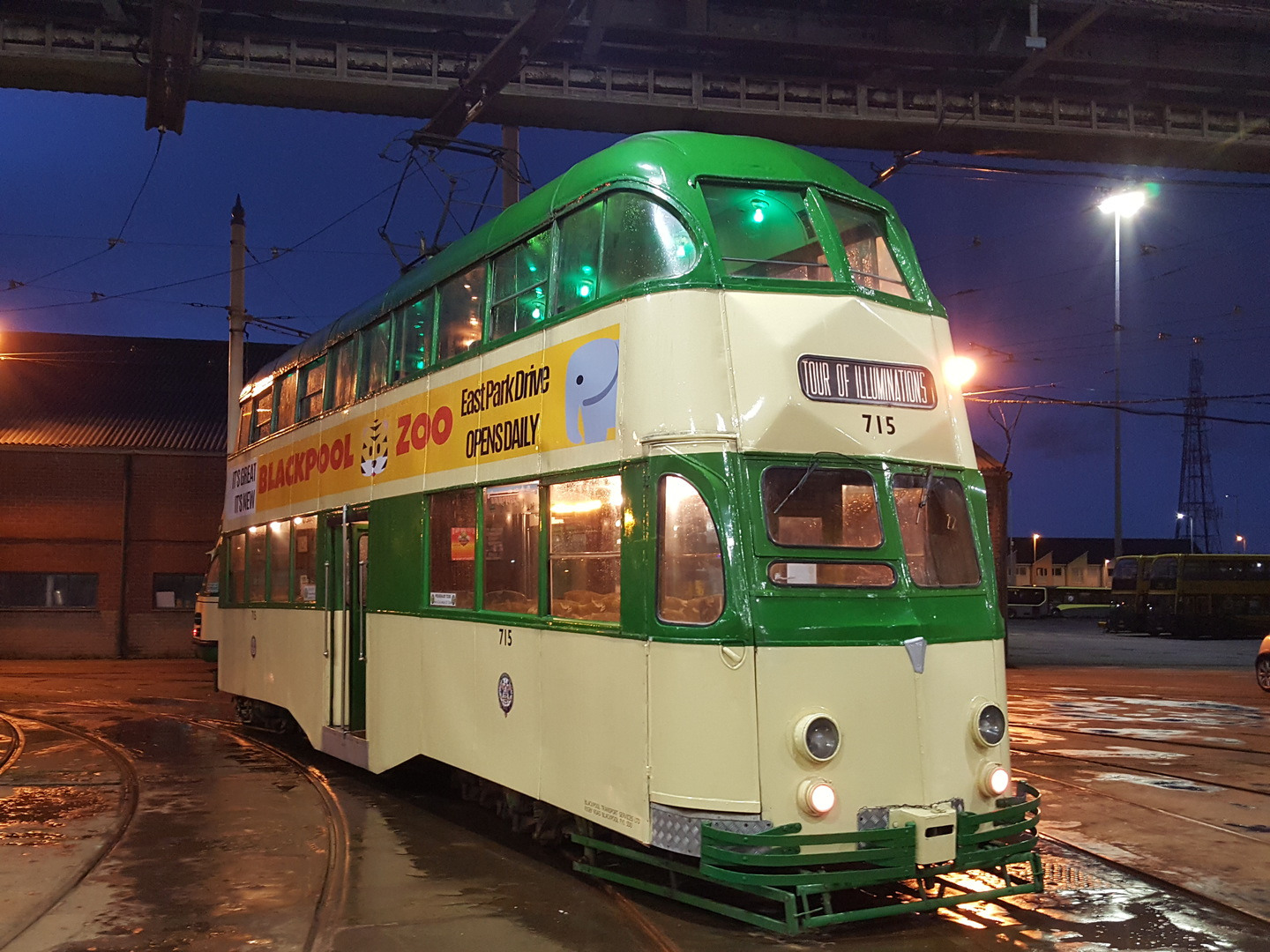
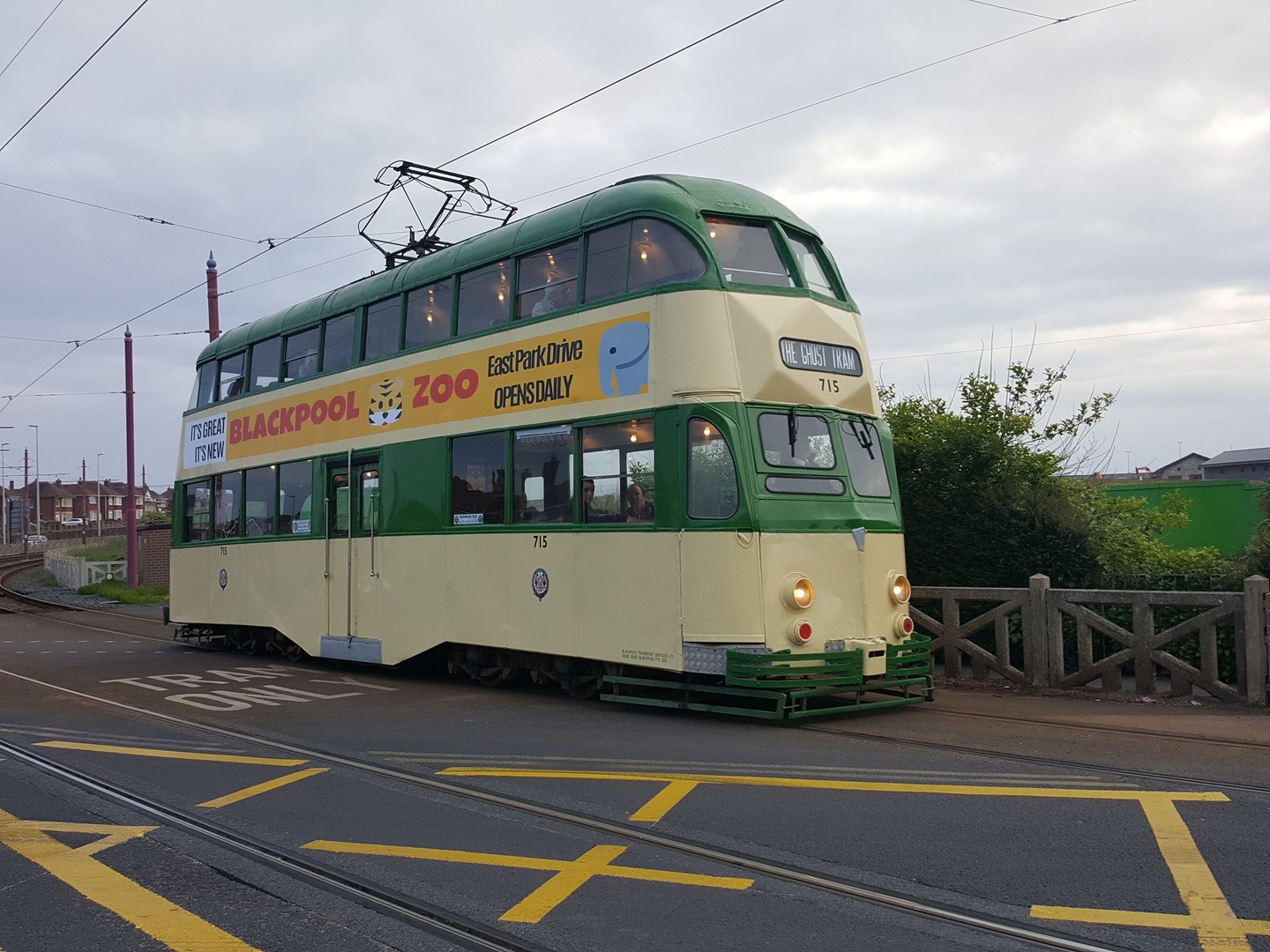
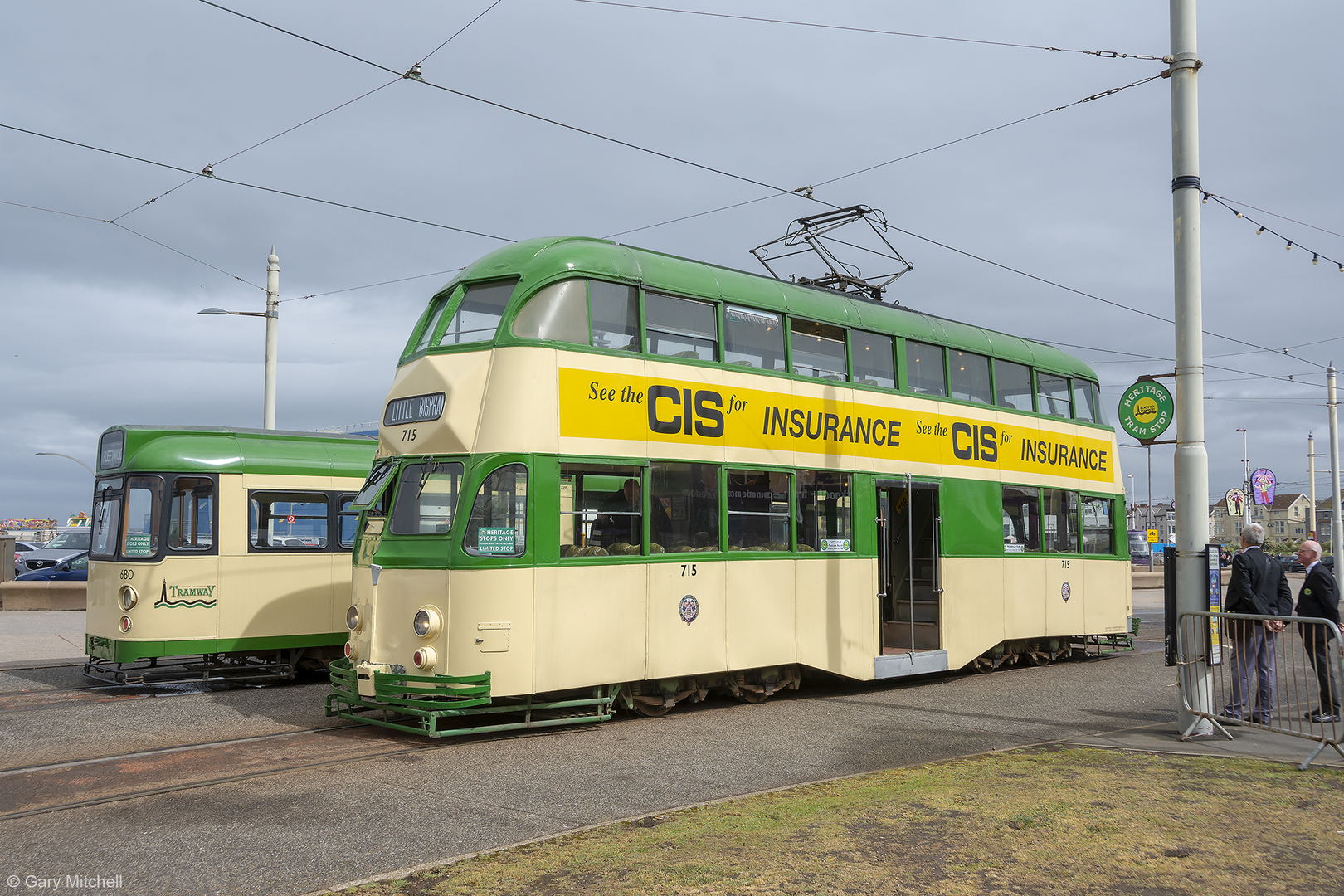
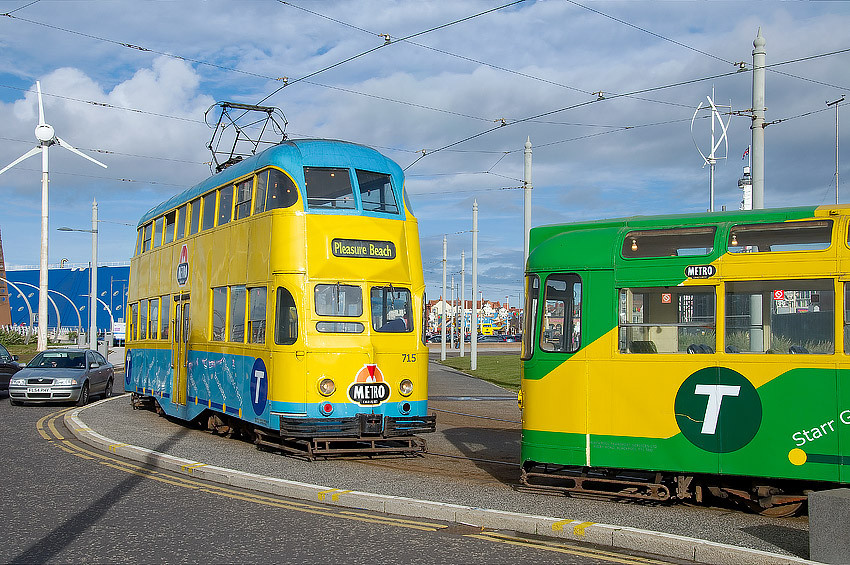
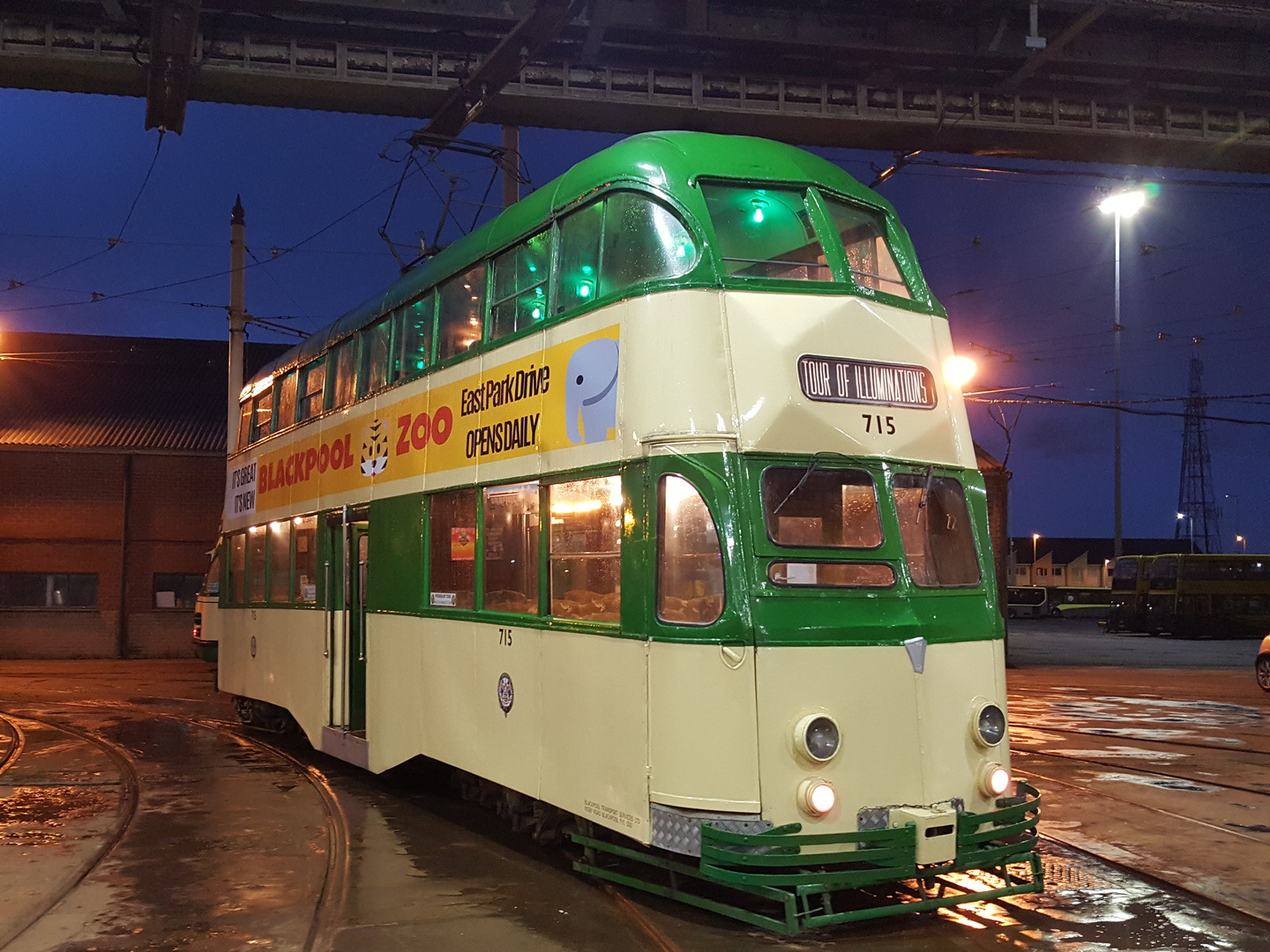
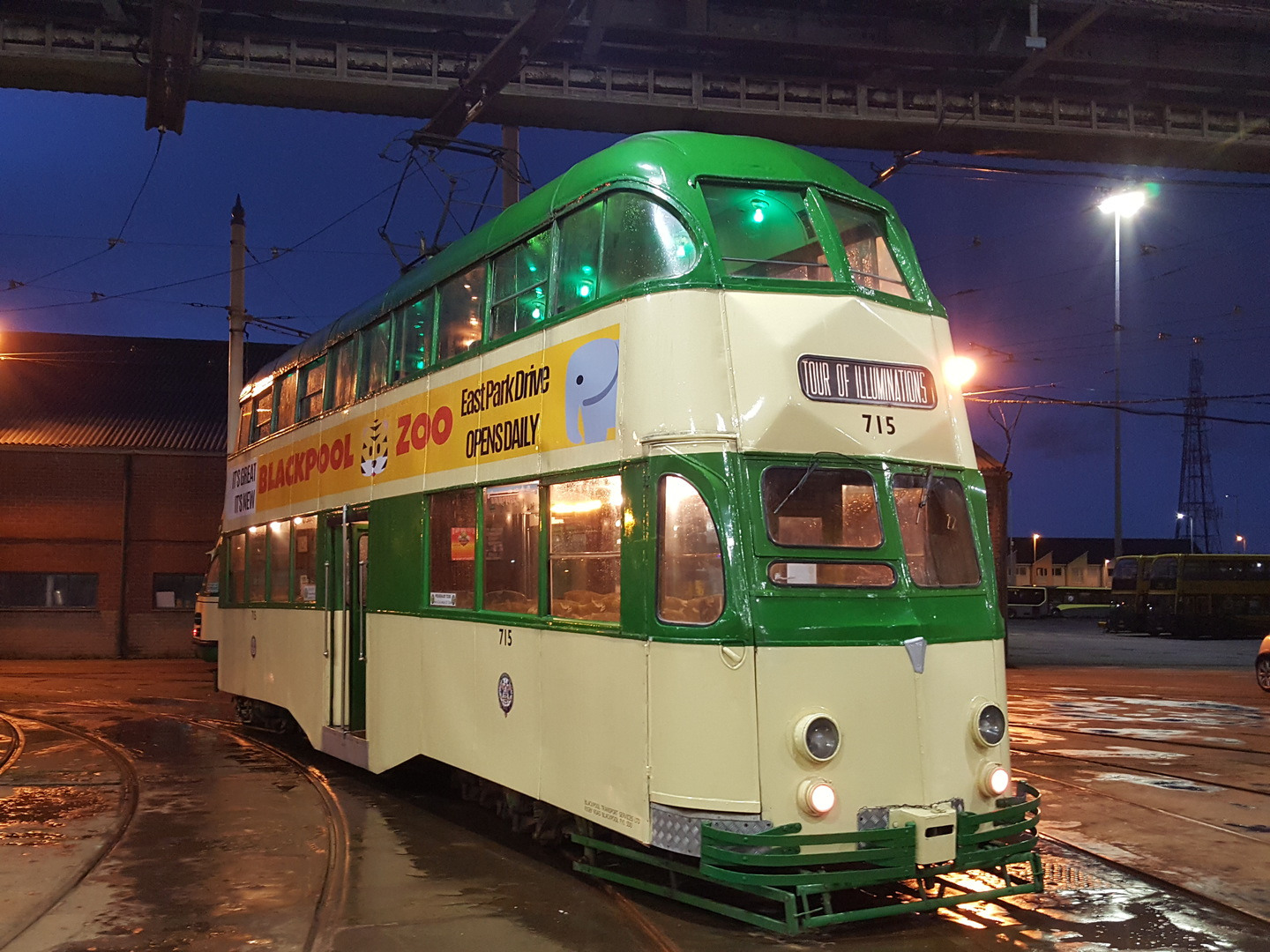
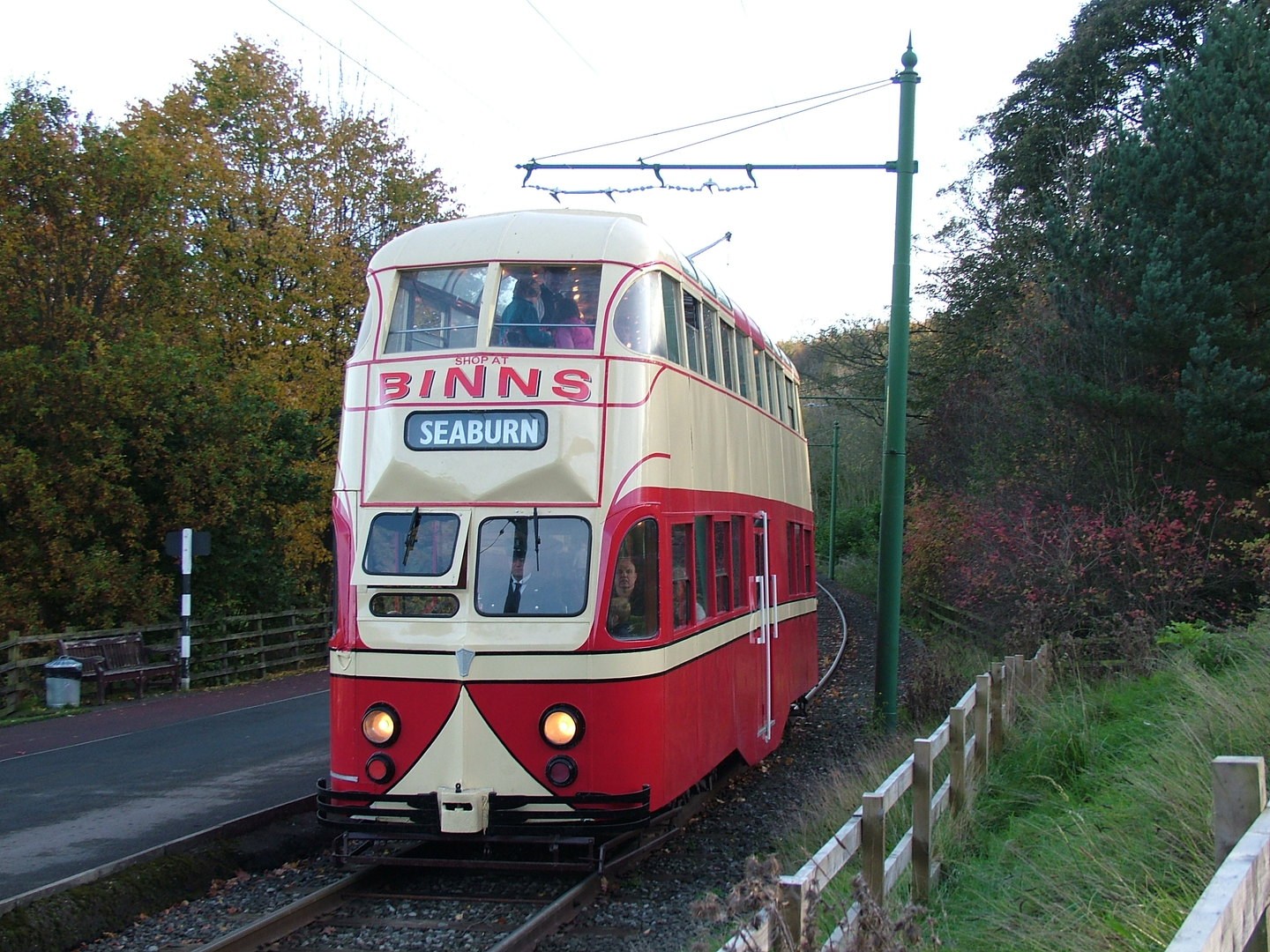
Twelve streamlined open top double deckers were supplied by the English Electric Company of Preston in 1934. Officially called “Luxury Dreadnoughts”, after the old Dreadnoughts they replaced, they were numbered 238 – 249 and followed a prototype (226, later 237) which had been delivered for evaluation earlier that year. 703 was the third of the production order and was originally numbered 240. The open top cars, including prototype 237, were put to work on a new Promenade service to Cleveleys. They were designed to work all year round as the spartan open top decks, with wooden seating, could be closed off leaving the luxurious “Railcoach” style lower saloon available for use. Had war not intervened, it is possible that they may have remained in their open top condition but a requirement for a greater number of high capacity year round cars saw all thirteen Luxury Dreadnoughts enclosed during 1941/2, making them outwardly similar to the fourteen Balloons delivered in 1934/5 (which includes our 715).
The newly enclosed cars lacked the sliding sunshine roofs of the Balloons, and much of the comfort as the upper deck wooden seating was not replaced with cushioned Railcoach style seating, but merely thinly covered with matching moquette. Nevertheless, the expanded fleet of 27 Balloons were used year-round on Promenade to Cleveleys, and Lytham Road services, but would not venture further north to Fleetwood until later in their career.
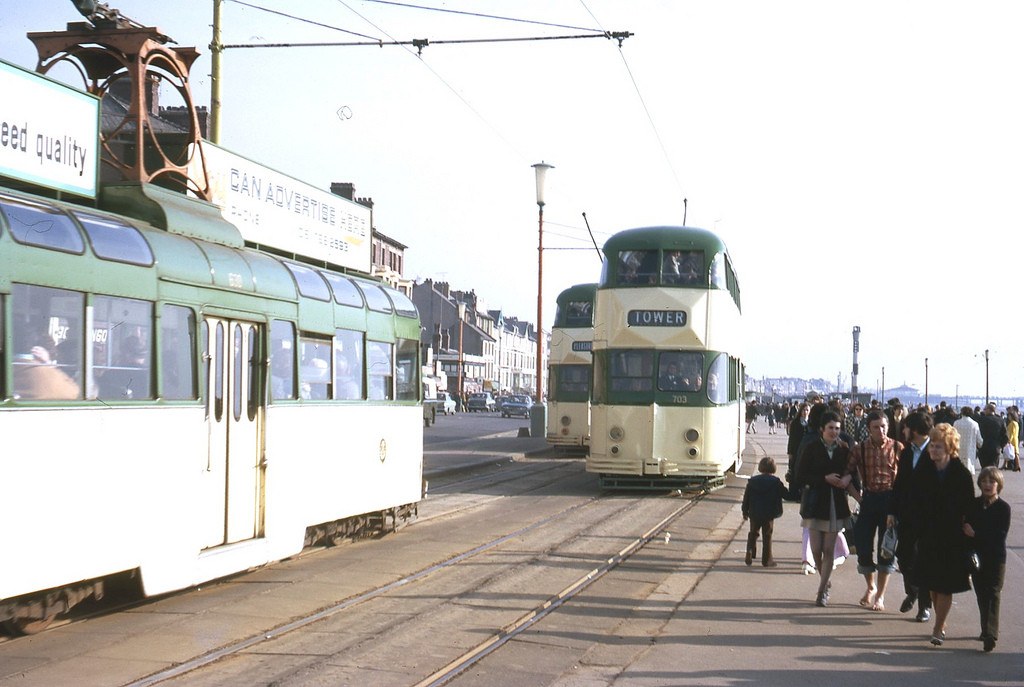
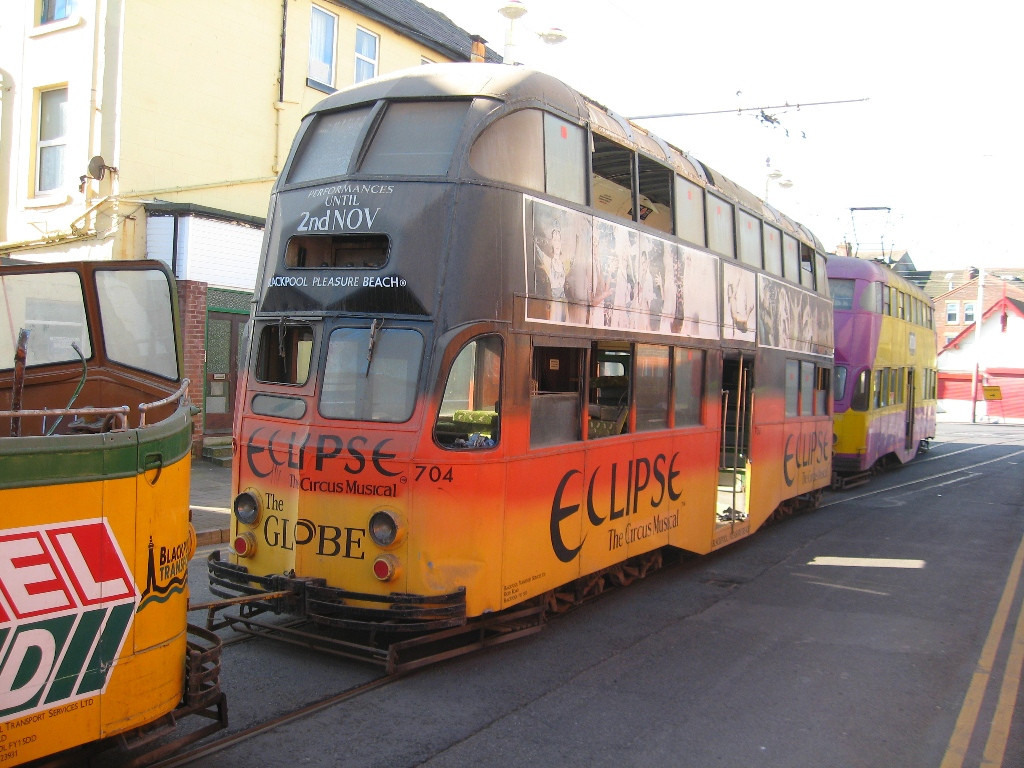
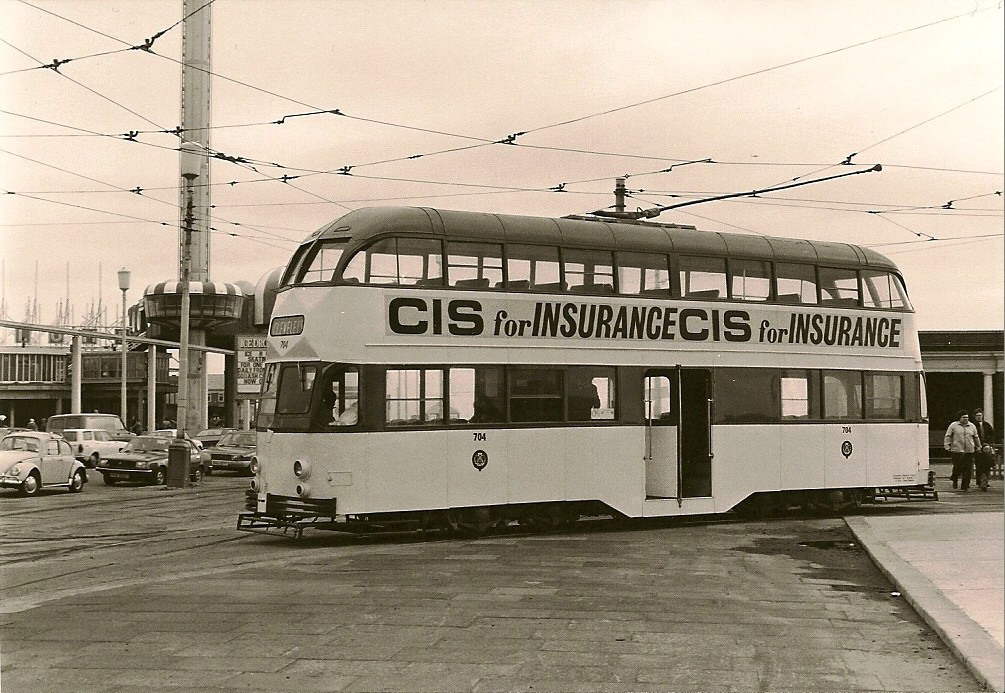
Repainted into a mainly green livery during the war, and then rather neglected for some years afterwards, the Balloons fell out of favour as manager Walter Luff favoured high frequency single deck cars on service. In 1952, the first of 25 single deck Coronations arrived, and the Balloons were relegated to summer season use only – although Blackpool’s was a long summer season from Easter until the end of the illuminations in November. From 1954 the Balloons began to be upgraded as the new manager Joe Franklin recognised their potential as crowd shifters during the season. A brighter livery was introduced, whilst other changes (introduced gradually) included adding additional seating upstairs and replacing the twin destination screens with larger single screens, which our “240” received in 1956. All 27 Balloons survived the contraction of the tramway in the early 1960’s, and in 1968 were renumbered 700 – 726.
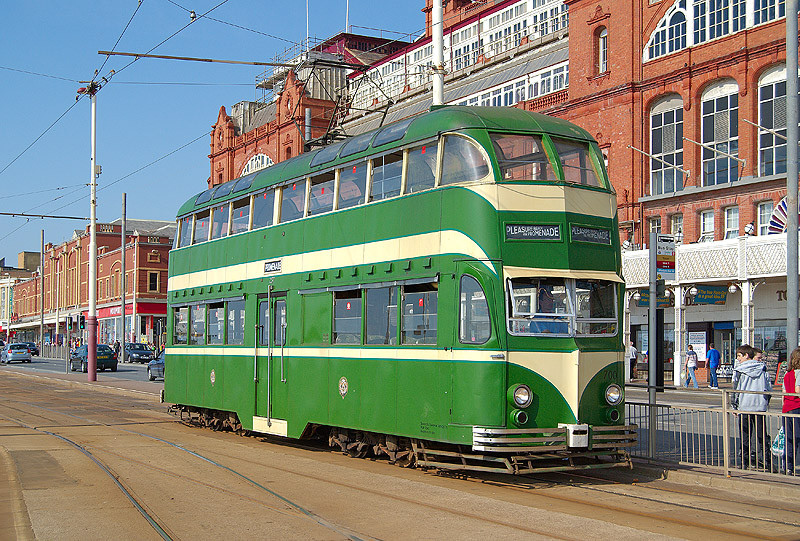
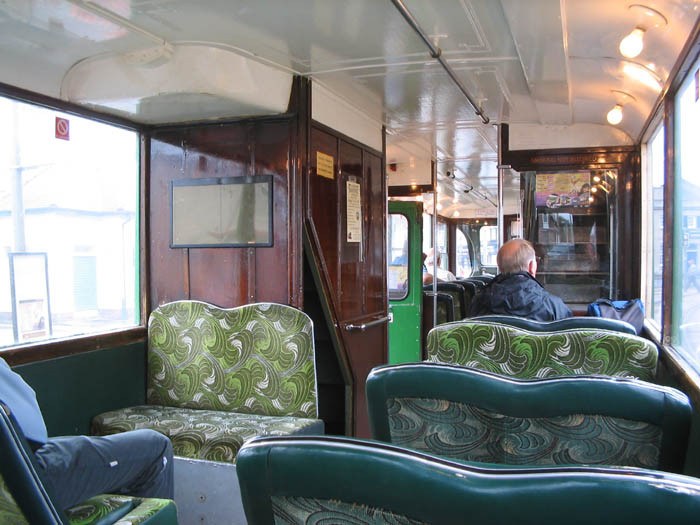
703 was overhauled in 1970 and was fitted with cushioned seating upstairs (from scrapped Railcoaches). Much use was made of Darvic plastic interior panelling, to replace the original Alhambrinal, but 703 did retain curved upper deck side roof windows, now rubber mounted.
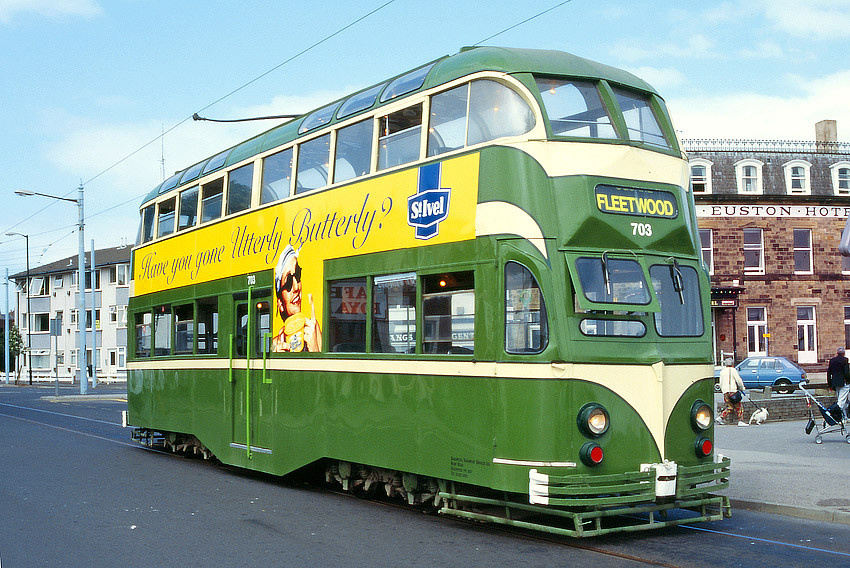
703 remained in green and cream, in various styles, throughout its working life in Blackpool despite the application of all over advertising liveries to many Balloons in the years from 1975. However, it was the recipient of two heritage liveries; the first (in 1995) saw 703 return to the mainly green wartime style, to commemorate 50 years since the end of the war. Then, in 1998, it received the 1980’s style which was ironic as 703 had been one of three Balloons to not actually received this style during that period. This was reapplied in 2004.
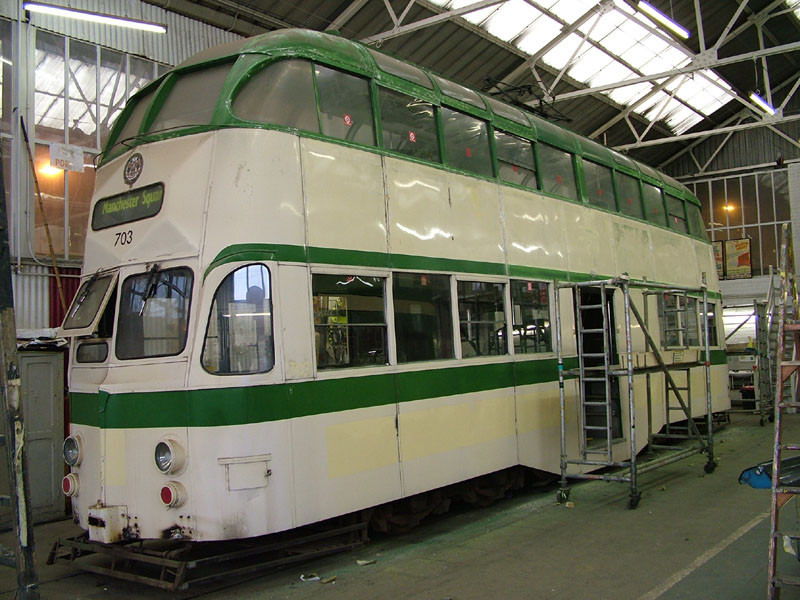
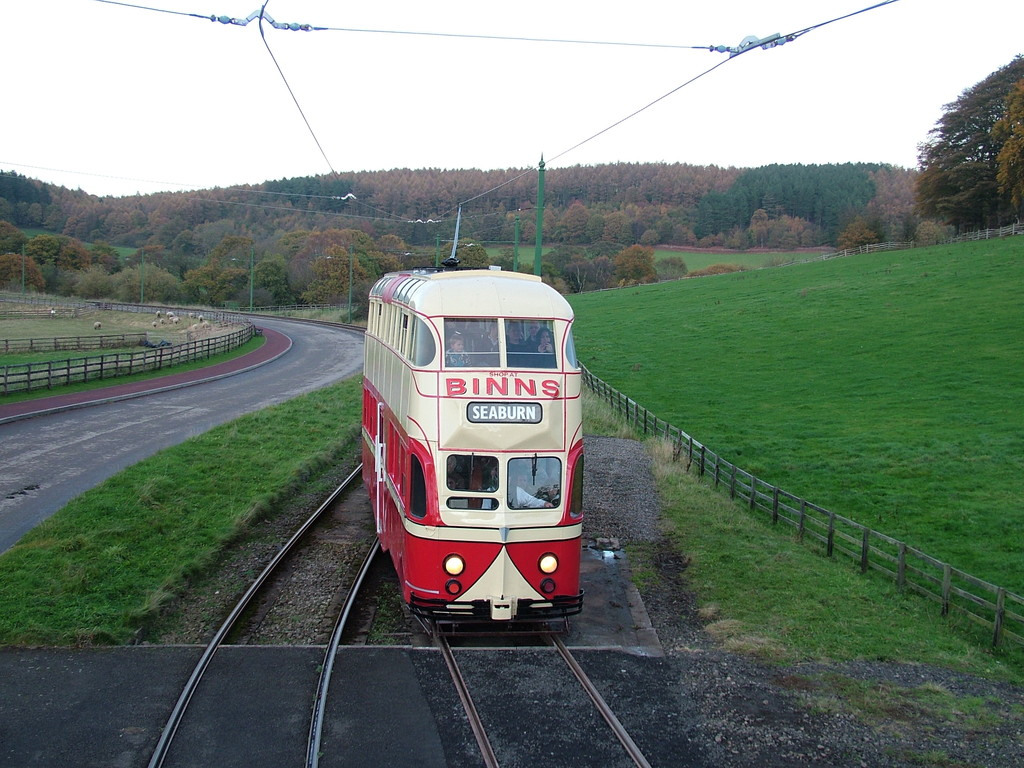
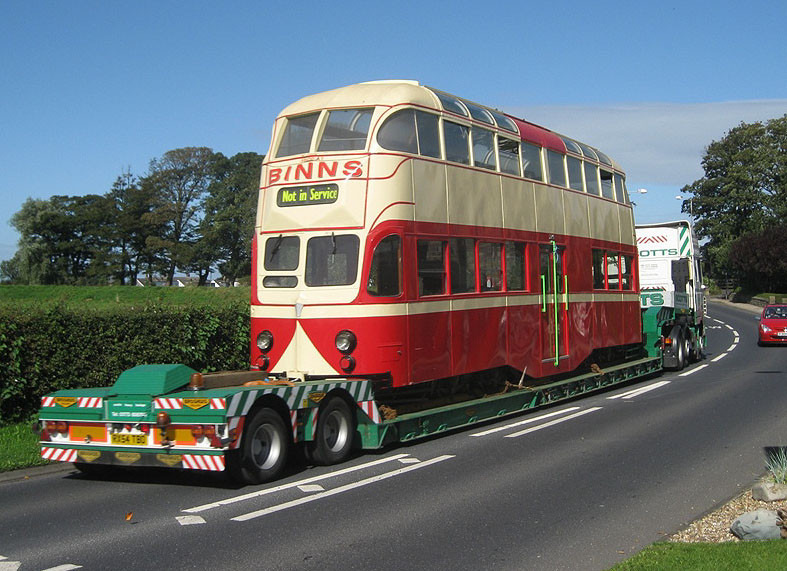
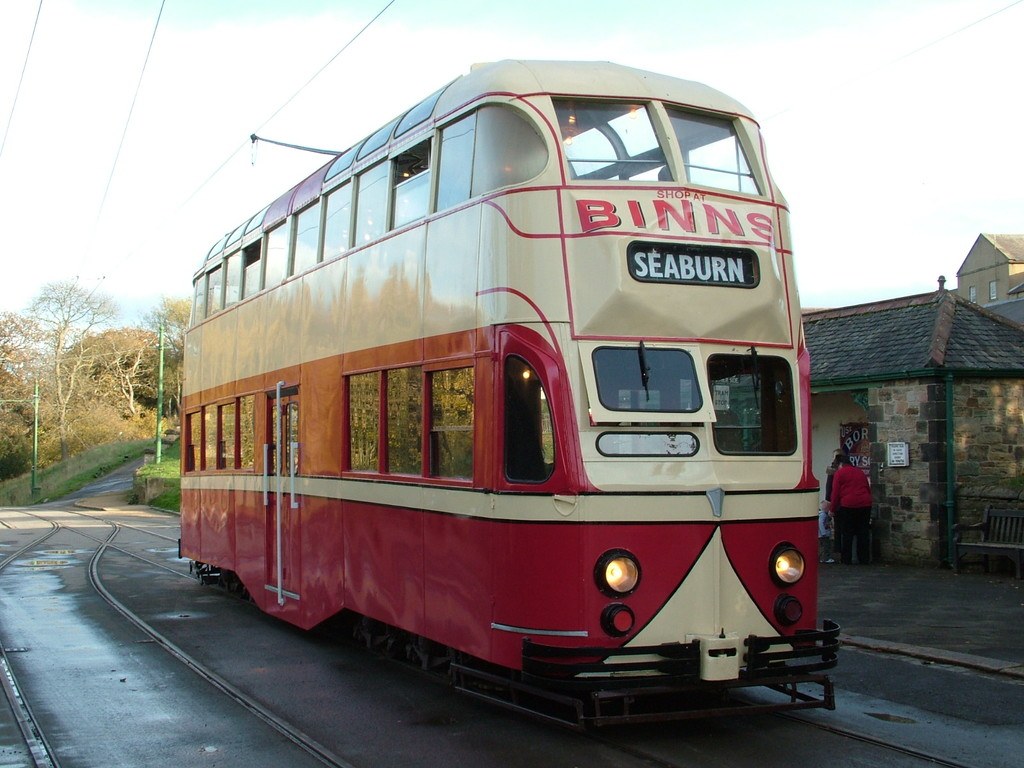
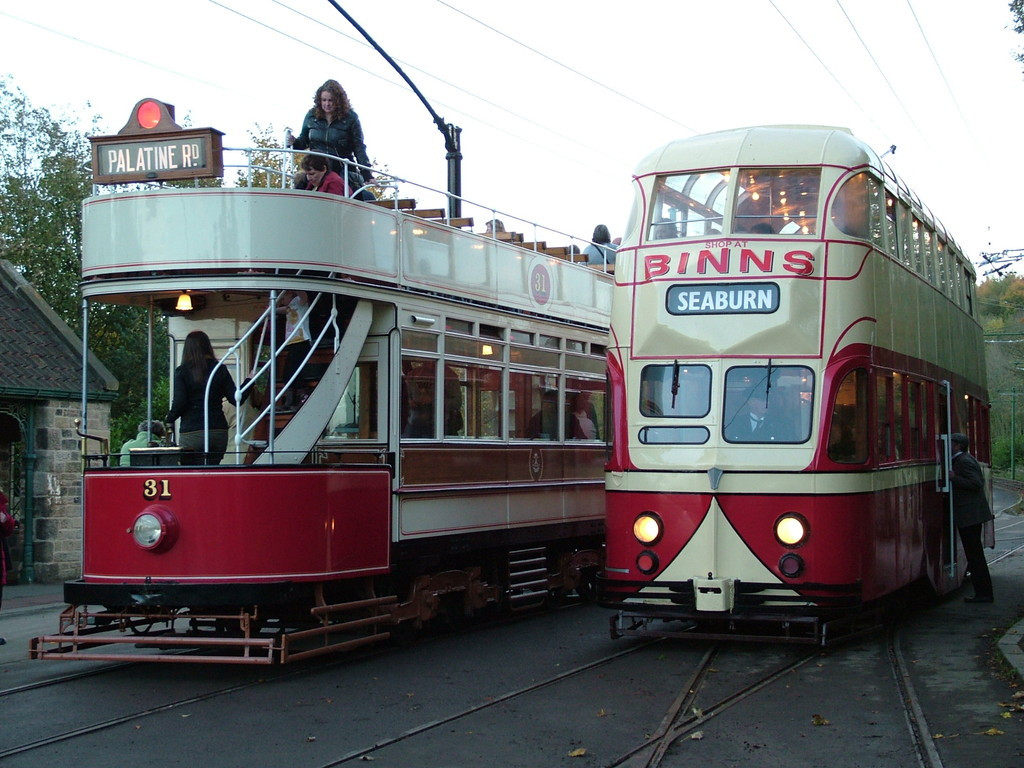
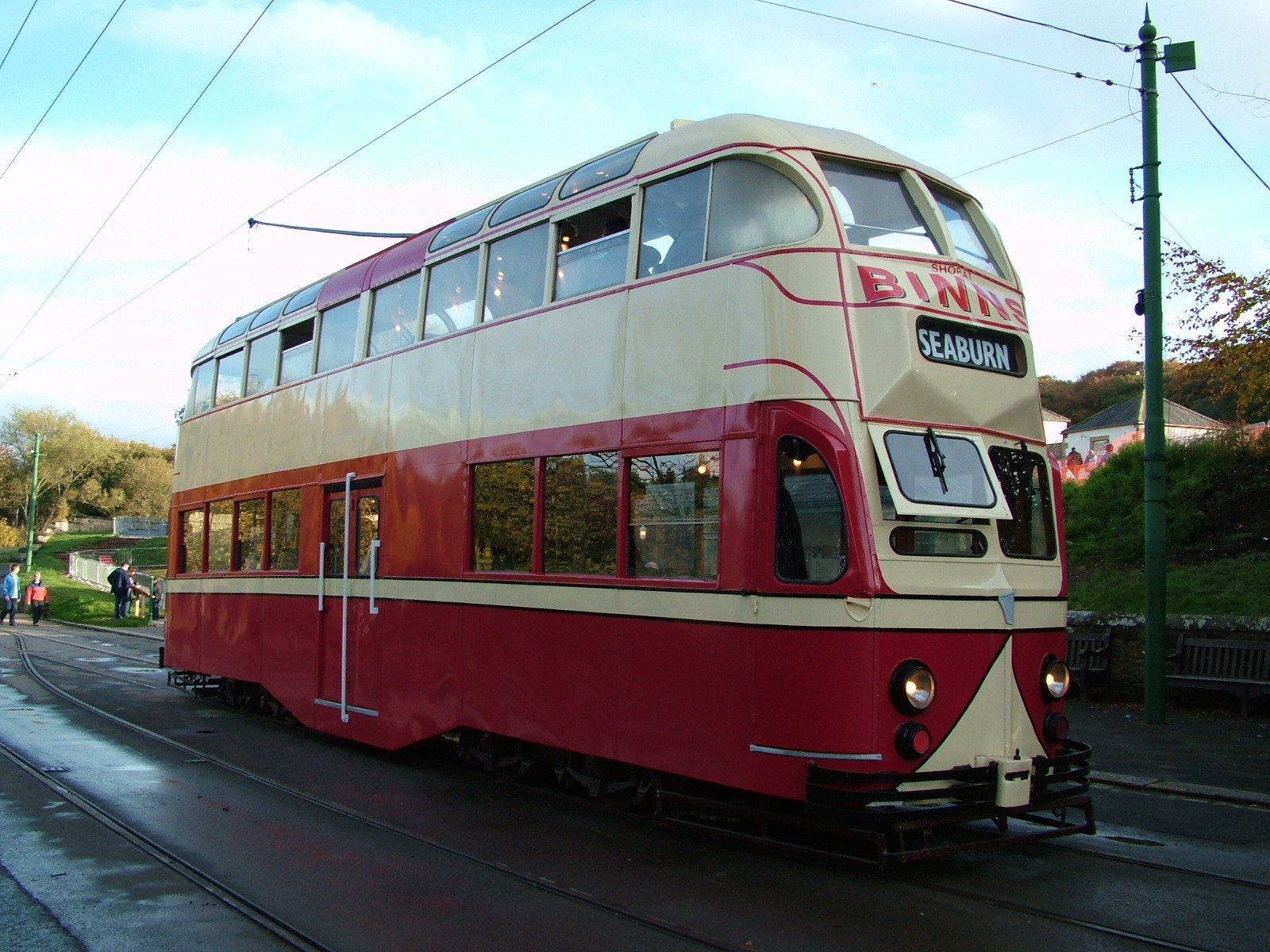
703 was withdrawn in 2008 as part of the rundown of the traditional fleet in advance of the tramway upgrade. It was acquired by the trust and sent on loan to the Beamish Museum in Durham following a repaint in a representation of Sunderland Corporation livery (Sunderland had some similar trams) and a final outing in Blackpool for the benefit of photographers. With the fictitious identity “Sunderland 101”, 703 ran at Beamish from 2011 to 2015 and was a useful people mover at this busy museum. It was latterly acquired by Beamish but withdrawn from use in 2015 with a defect. In 2016 Beamish offered 703 to the Blackpool Heritage Trust (BHT), and following an appeal for transport funding, it arrived home in March 2017. Having come full circle, 703 re-joined the FTT collection in December 2019 following the merger of the two trusts. The tram is not currently serviceable and requires repairs to the defect that saw it side-lined from use at Beamish.